
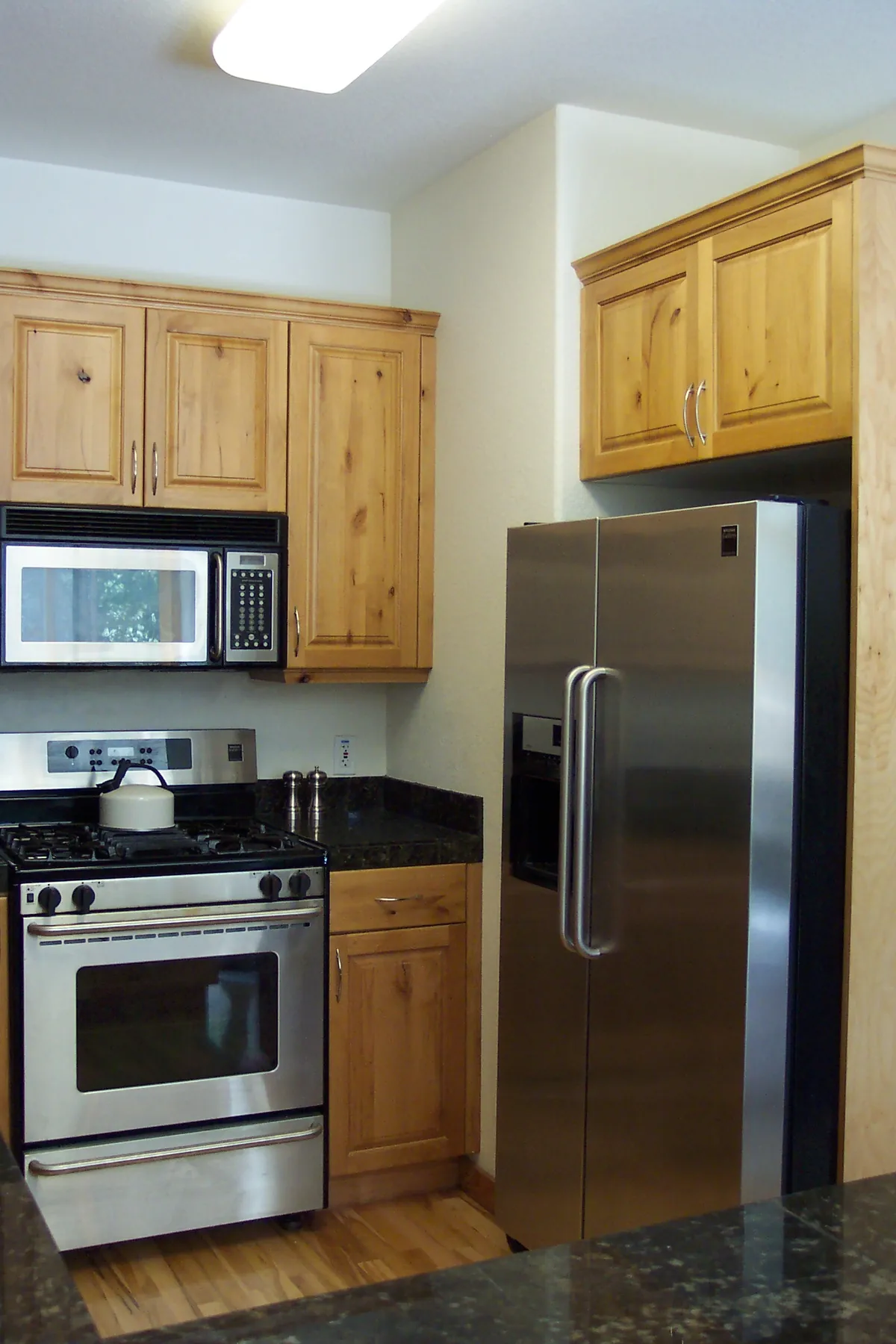
Refrigerator Repair
Warm sections, frost walls, leaks and noisy fans on top-freezer, side-by-side and built-in units.
More on Refrigerator Repair →An ENERGY STAR front-loader uses about 50 percent less energy and water than an agitator top-loader. It also hides a pump filter and a rubber door boot that need more care in damp Honolulu air. Each design fails in its own places.
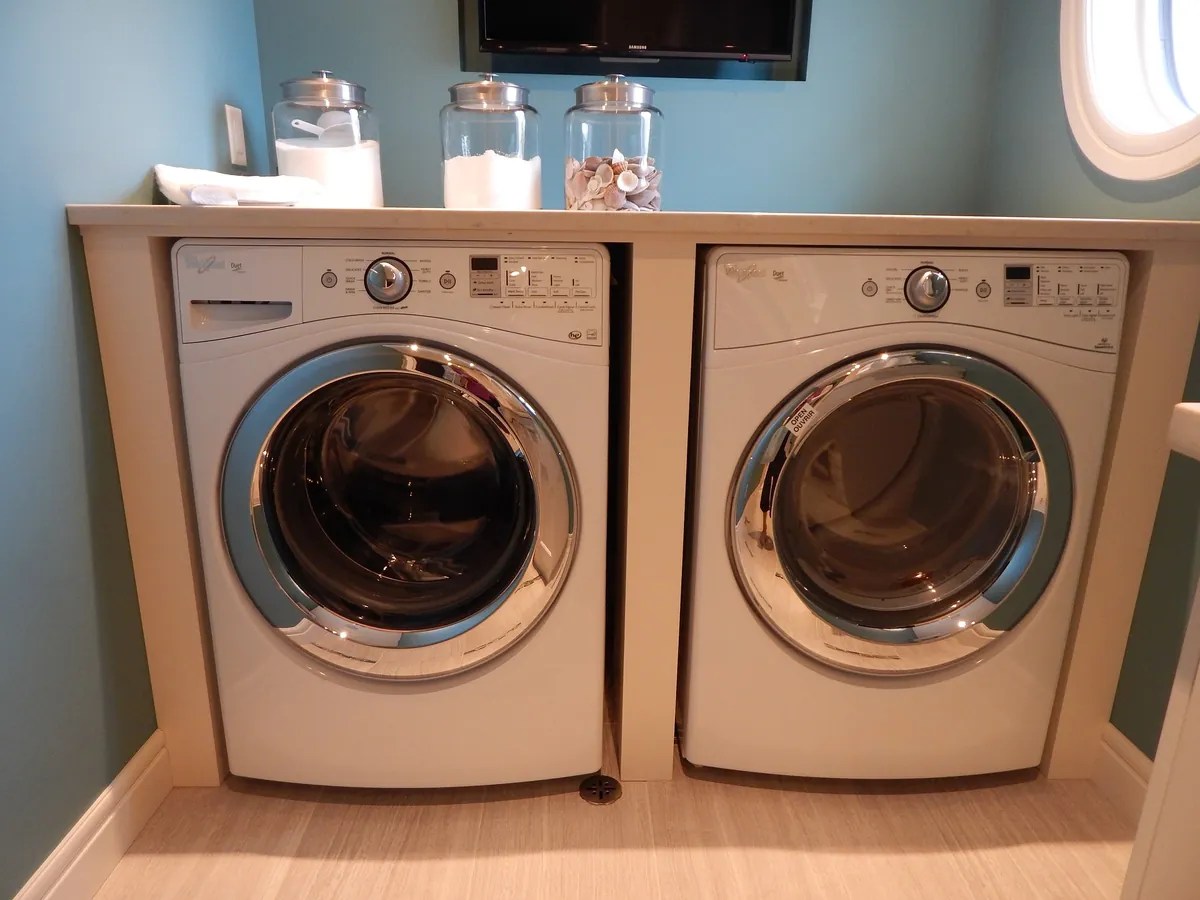
Usually one of six things, and each has a likely part behind it. Some are owner fixes and some are not; the notes below say which, so you know whether a call is needed.
A clogged pump filter, a kinked hose or a jammed pump. See washer not draining for the checks in order.
An unbalanced load, a lid switch or a drive fault. The full list is on washer not spinning.
Shipping bolts still in, loose feet or a clogged front-load pump. A weak floor makes any shake worse.
Worn fill hoses, missing rubber washers, or a standpipe overflowing late in spin, which is a plumbing job.
A water inlet valve that no longer seals. It has to be replaced, not cleaned. A washer that does nothing at all is a different fault; see washer won't start.
Damp left in the drum, detergent scum, or a drain hose pushed too deep into the standpipe.
Some washer trouble starts in the house, not the machine: a standpipe that backs up, a hose taped too deep, a valve left shut. So the first test is simple. Empty about a quart into the house drain and watch it. If the machine is at fault, the usual suspects are the pump, the inlet valve, the lid lock or the drive. Brand quirks live on their own pages: Samsung washers, LG washers, Whirlpool washers and Maytag washers.
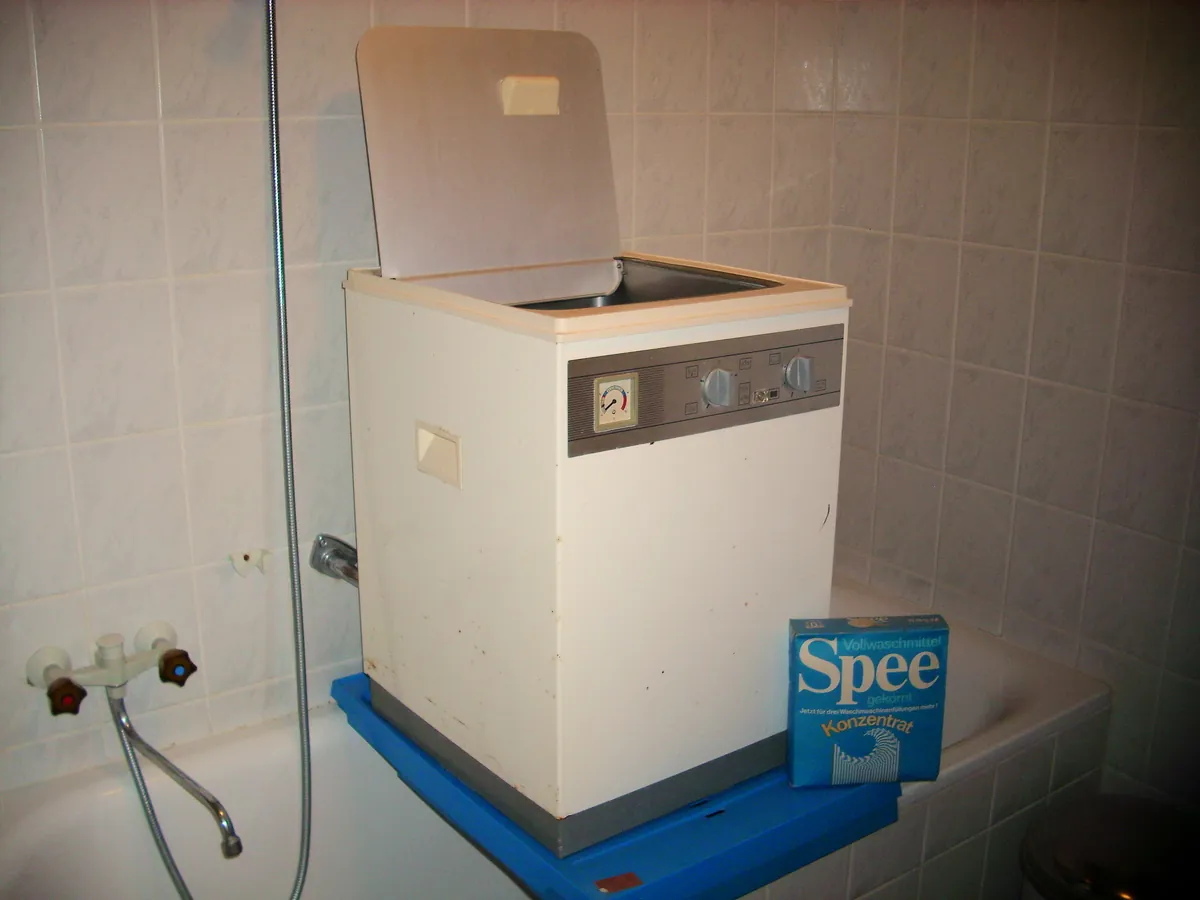
| What matters | Top-load | Front-load |
|---|---|---|
| Where debris collects | In the pump and drain hose, out of sight | In a pump filter behind a lower front panel |
| Common leak | Front-left, from the overflow tube catching suds | Door seal or a dispenser drawer left ajar |
| Locks | Lid lock or lid switch; no spin with the lid up | Door lock takes about 10 seconds to engage |
| Shipping restraints | Rod, foam block or cardboard cone | Bolts and braces through the back |
| Odor risk | Lower; leave the lid up between loads | Higher; the boot traps lint, hair and water |
Because a shut, wet washer dries slowly in Oahu's humid air. Lowland humidity runs about 70 to 80 percent on the windward side and 60 to 70 percent on the leeward side, and corrosion researchers at UH Manoa note that metal corrodes faster once indoor humidity passes 60 percent. Leave the door and detergent drawer open between loads, take clothes out promptly, and keep the drain hose no more than 6 inches into the standpipe. In a stacked condo, a burst fill hose reaches the unit below, which is why makers say to replace hoses about every 5 years. EPA says any leak should be dried within 24 to 48 hours.
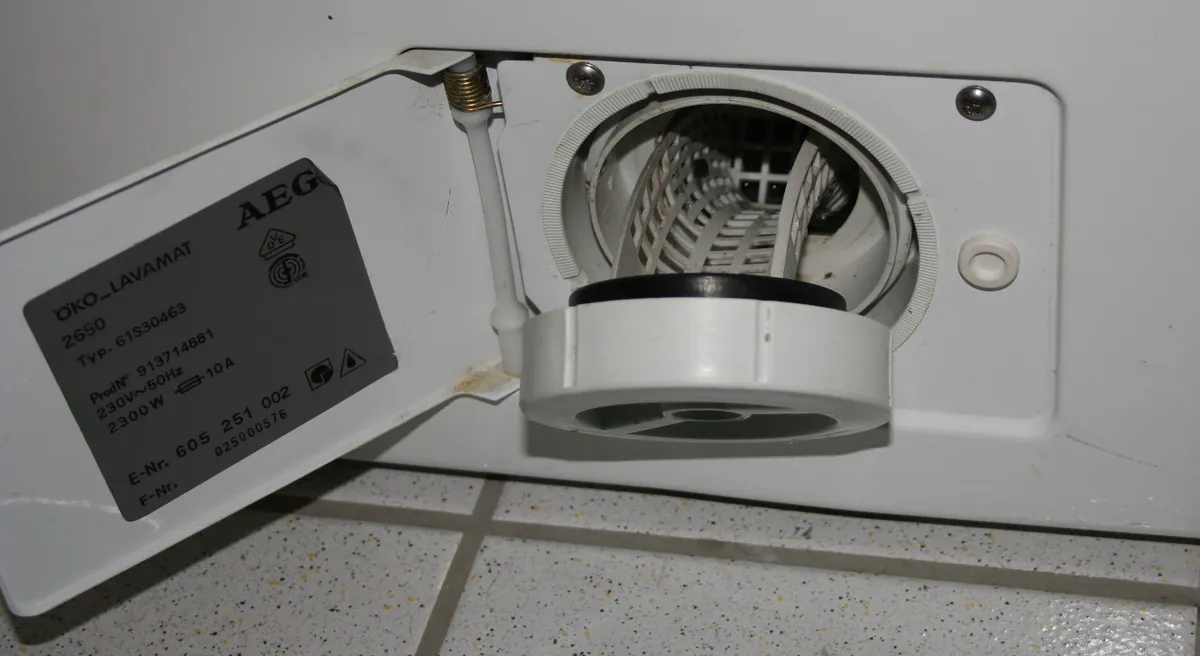
Tell us top-load or front-load, the brand and model, any code on the display, and what the washer did just before it stopped.
The house drain and supply come first, then the pump, valve, lock and drive. You get a written estimate before any part is ordered.
Some parts are common; others come from the mainland by ship or air. The estimate says if a second trip is needed across Honolulu or beyond.
The washer is leveled and run through a rinse and spin, empty first, so you see it fill, drain and spin before we leave.
About 5 more years, by the federal government's own working figure. When DOE modeled washer costs for its 2024 efficiency rule, it assumed a household that repairs instead of replacing gets roughly that much extra life, against an average clothes washer life of 13.4 years. That is a planning assumption, not a promise. Still, it is a useful yardstick. A pump or valve repair on a machine well short of that age usually pays for itself. On one that has passed its life expectancy, weigh the repair against a new, more efficient machine.
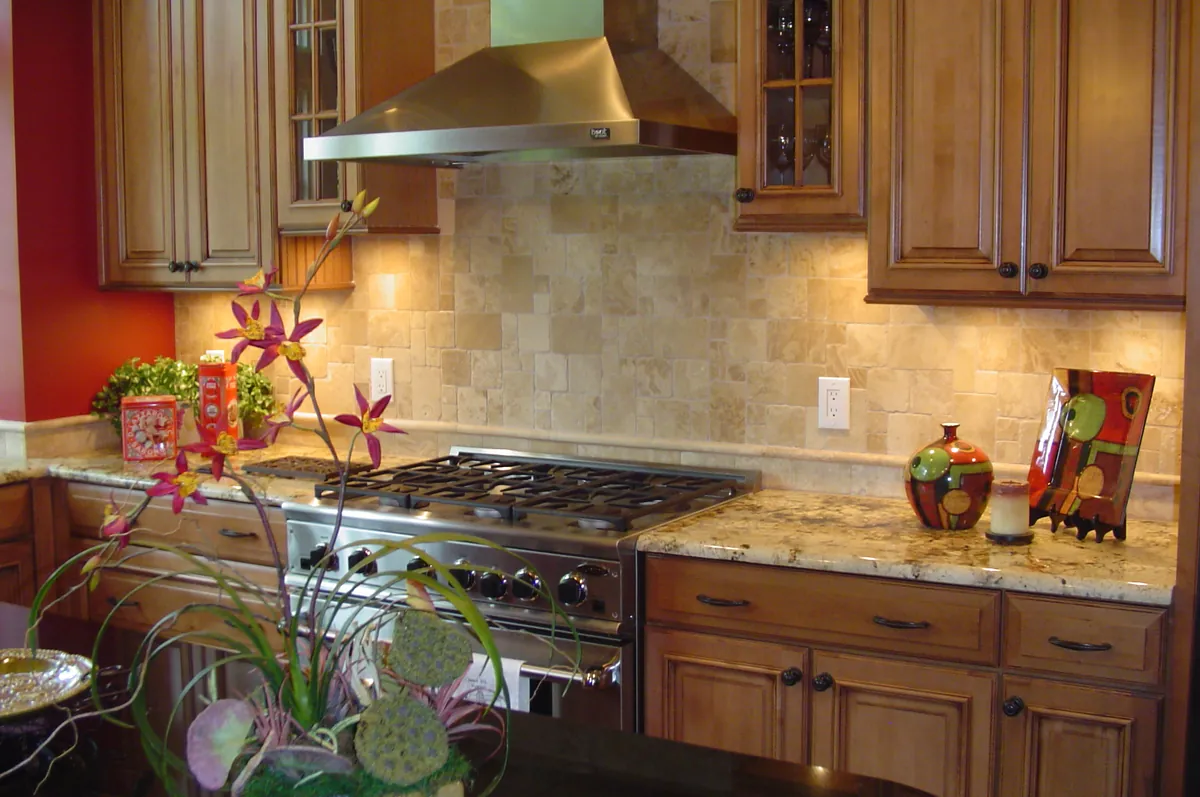
The six machines island kitchens and laundry rooms lean on hardest, each with its own page on causes, parts and cost.
Warm sections, frost walls, leaks and noisy fans on top-freezer, side-by-side and built-in units.
More on Refrigerator Repair →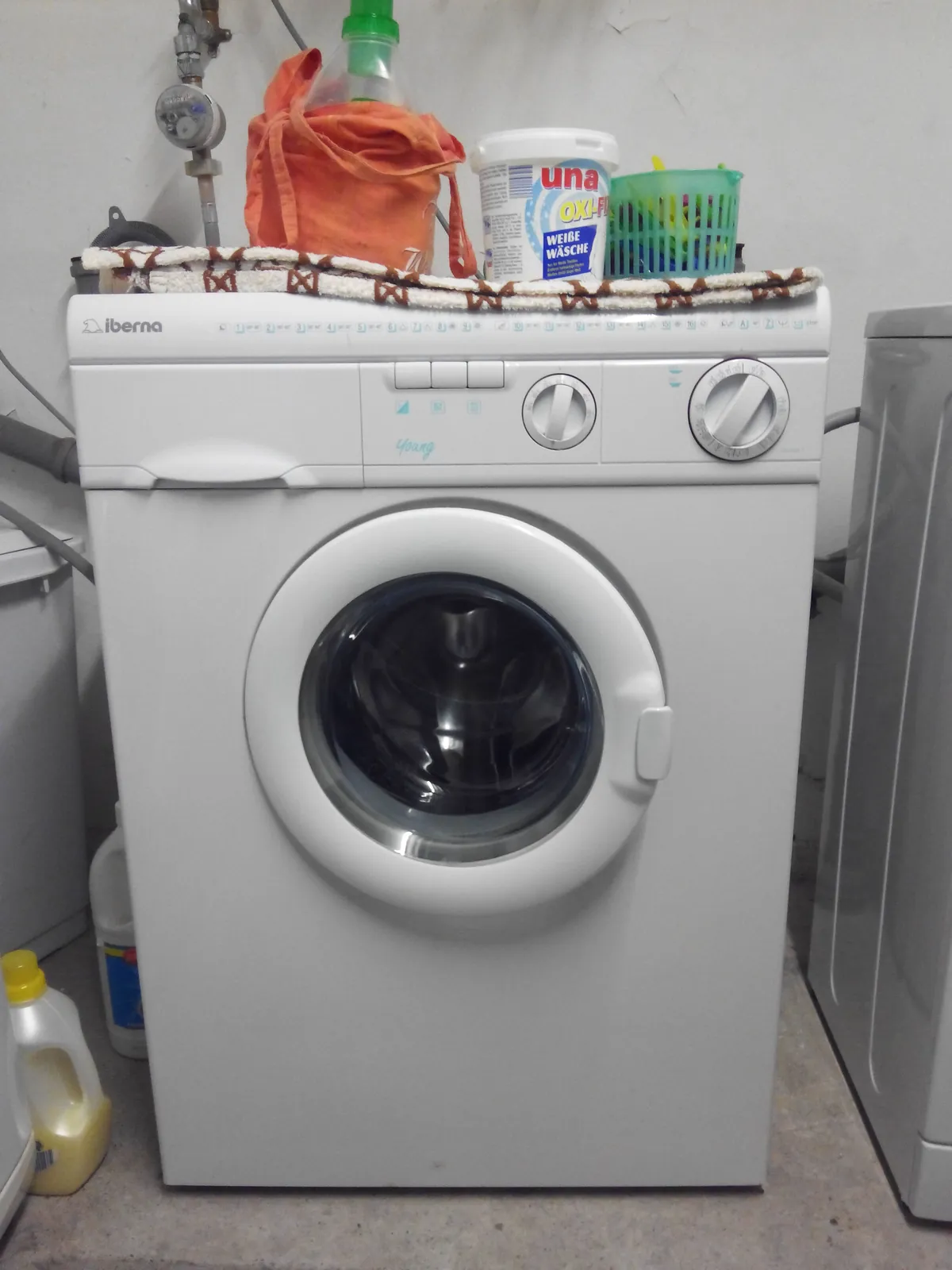
Top-load and front-load washers that will not drain, spin, fill or stop walking across the floor.
More on Washer Repair →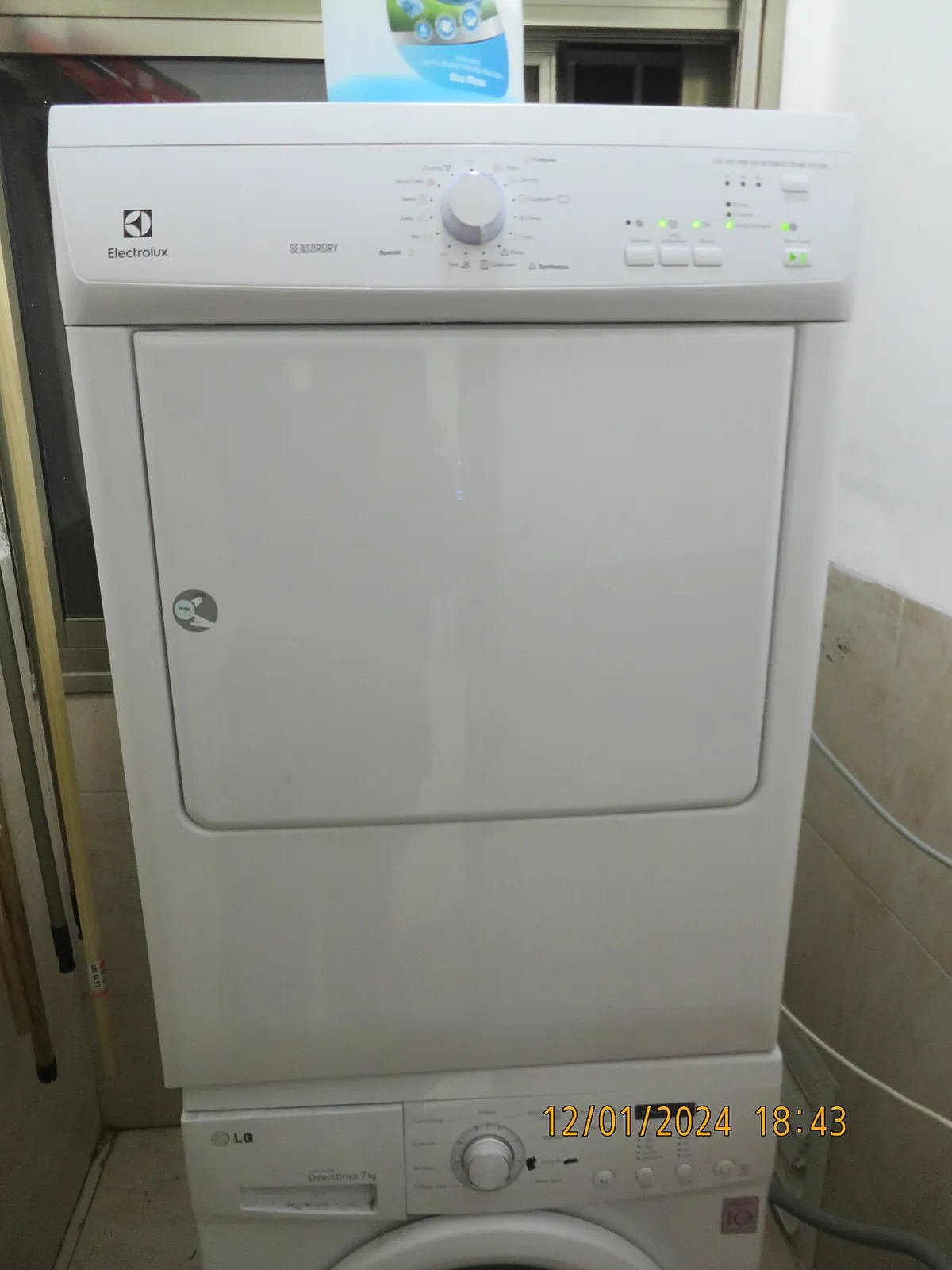
Gas and electric dryers that tumble cold, squeal, stop mid-cycle or never start at all.
More on Dryer Repair →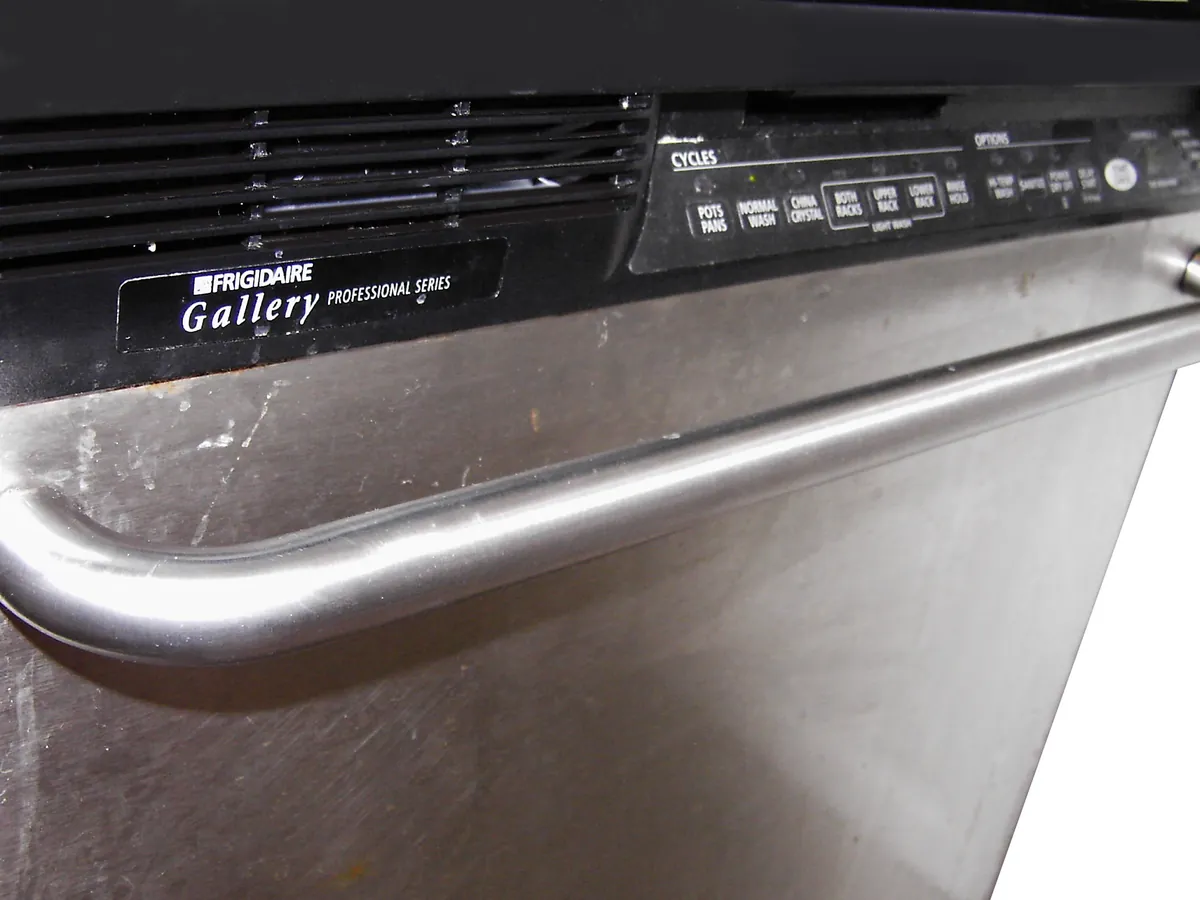
Standing water, cloudy glasses, leaks at the door and racks that come out wet.
More on Dishwasher Repair →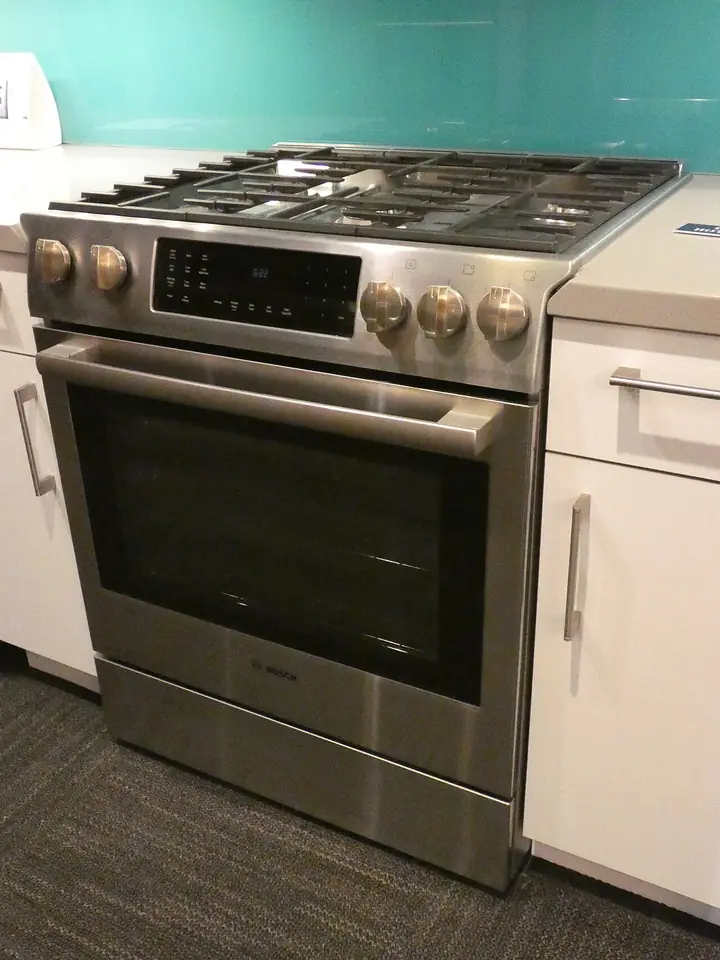
Ovens that run cold or hot, igniters that click without lighting, and dead surface burners.
More on Oven and Stove Repair →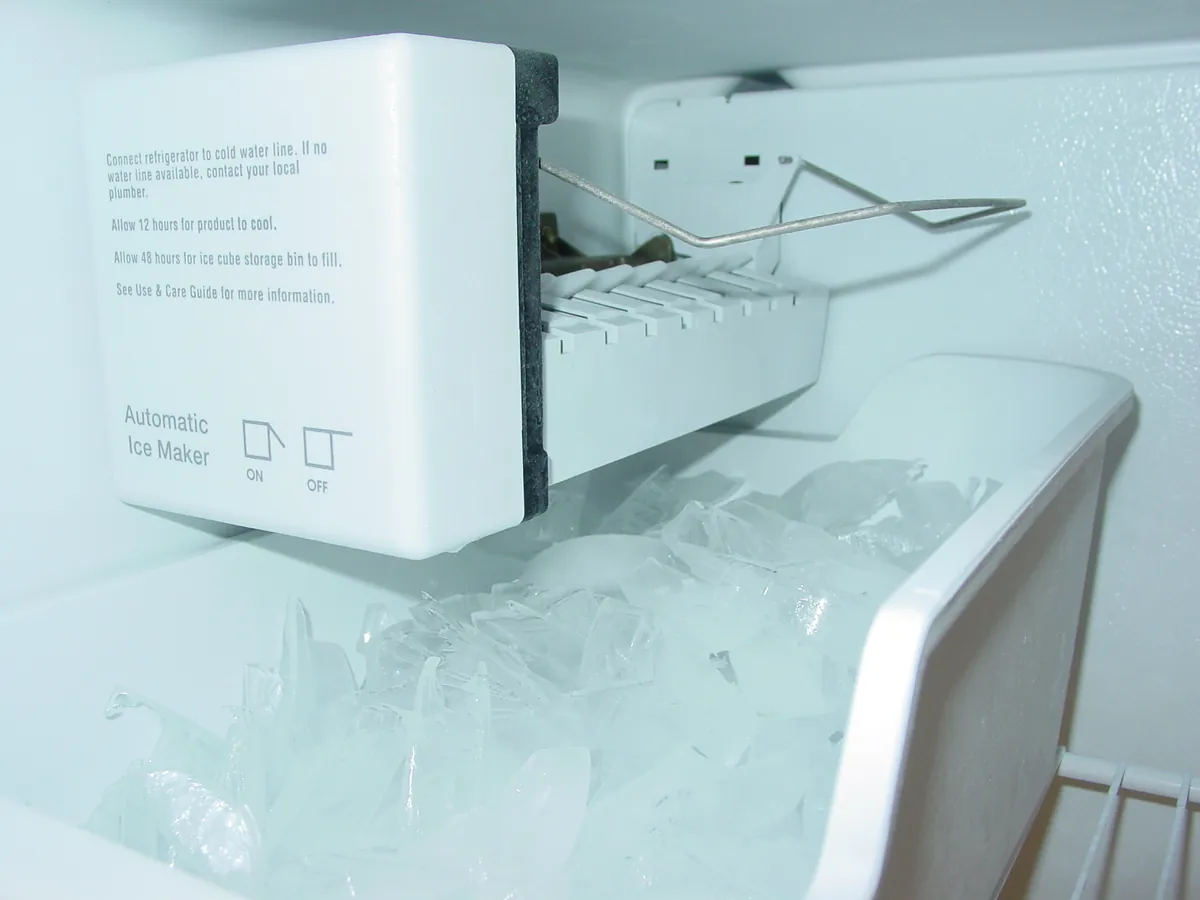
Built-in and freezer ice makers that stop filling, freeze up, leak or make hollow cubes.
More on Ice Maker Repair →