
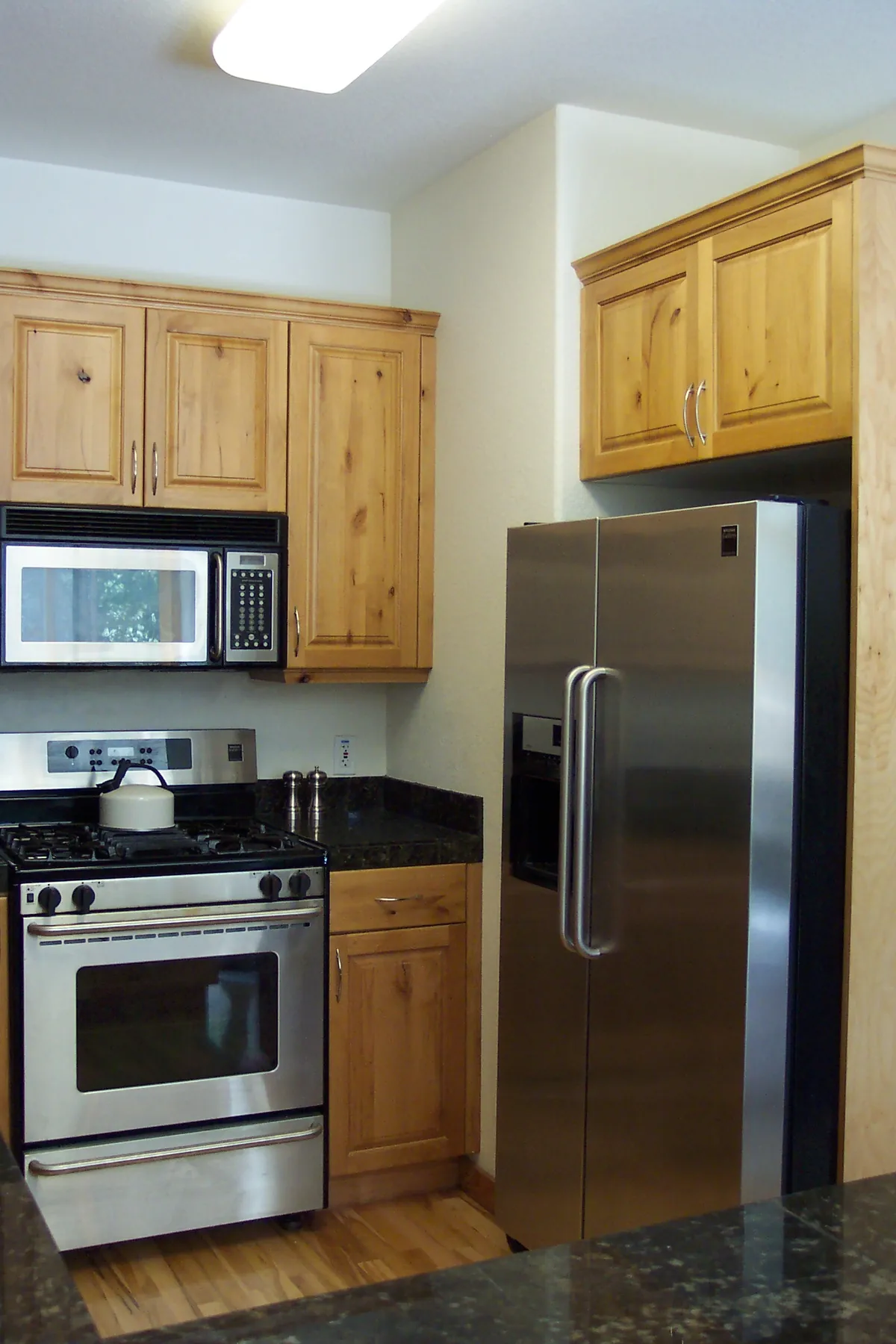
Refrigerator Repair
Warm sections, frost walls, leaks and noisy fans on top-freezer, side-by-side and built-in units.
More on Refrigerator Repair →In ZIP 96815, 77 percent of homes sit in buildings of 20 or more units, and 62 percent are studios or one-bedrooms. Most appliances here live in small kitchens and laundry closets several floors up, behind a lobby and a building manager.
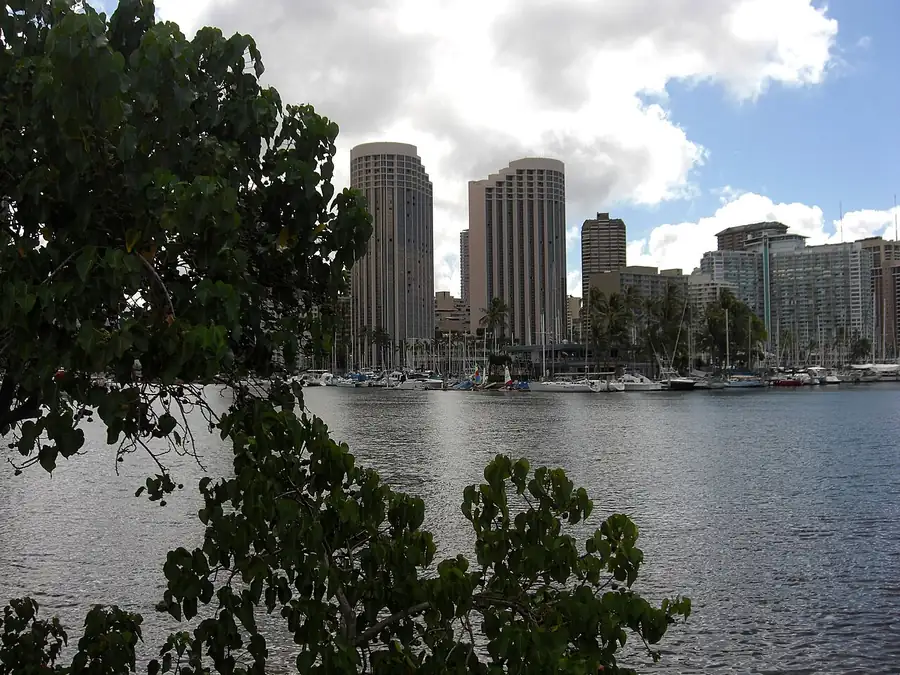
Sources: Census Reporter tables for ZCTA 96815, ACS 2020-2024 five-year release; NOAA NCEI 1991-2020 normals, Waikiki station
A repair here is mostly high-rise work, with small rooms and building rules. In the Census ACS 2020-2024 figures for ZIP 96815, only 10 percent of units are detached houses and the median unit has 2.5 rooms, so the machines are compact and the space around them is tight. About 7 percent of units, 1,652 in all, lack complete kitchen facilities, a sign of how much studio and hotel-condo stock sits here. And 55 percent of occupied homes are rented. The person who lets the technician in is often not the one who approves the bill, so the owner or agent should know the visit is coming. Building managers usually want notice too, for the elevator and the loading zone.
All three subdistricts of the neighborhood board, between Kapahulu Avenue, the ocean, the yacht-basin entrance and the canal, plus the rest of the ZIP area mauka of it.
Census tracts 19.01 and 19.02, the towers nearest the sand and the yacht basin.
Tracts 20.01 and 20.02 along the canal, where older walk-ups sit among the towers.
Tracts 18.01 and 18.02, the blocks the board still files under the old Jungle name.
The ZIP covers about 2.2 square miles, roughly twice the area of the district itself.
Many towers send every floor's dryer into one exhaust duct inside a shaft. The model mechanical code, section 504.11, puts that duct in a fire-rated shaft, bans dampers in it, asks for rigid steel of at least No. 26 gage and keeps it for dryers alone. Which code Honolulu enforces was not confirmed, so read that as the model approach. Lint counts for more in a shared duct. Nationally, failure to clean was the top factor in home dryer fires at 34 percent, and 17 percent of those fires were in multifamily buildings.
The six machines island kitchens and laundry rooms lean on hardest, each with its own page on causes, parts and cost.
Warm sections, frost walls, leaks and noisy fans on top-freezer, side-by-side and built-in units.
More on Refrigerator Repair →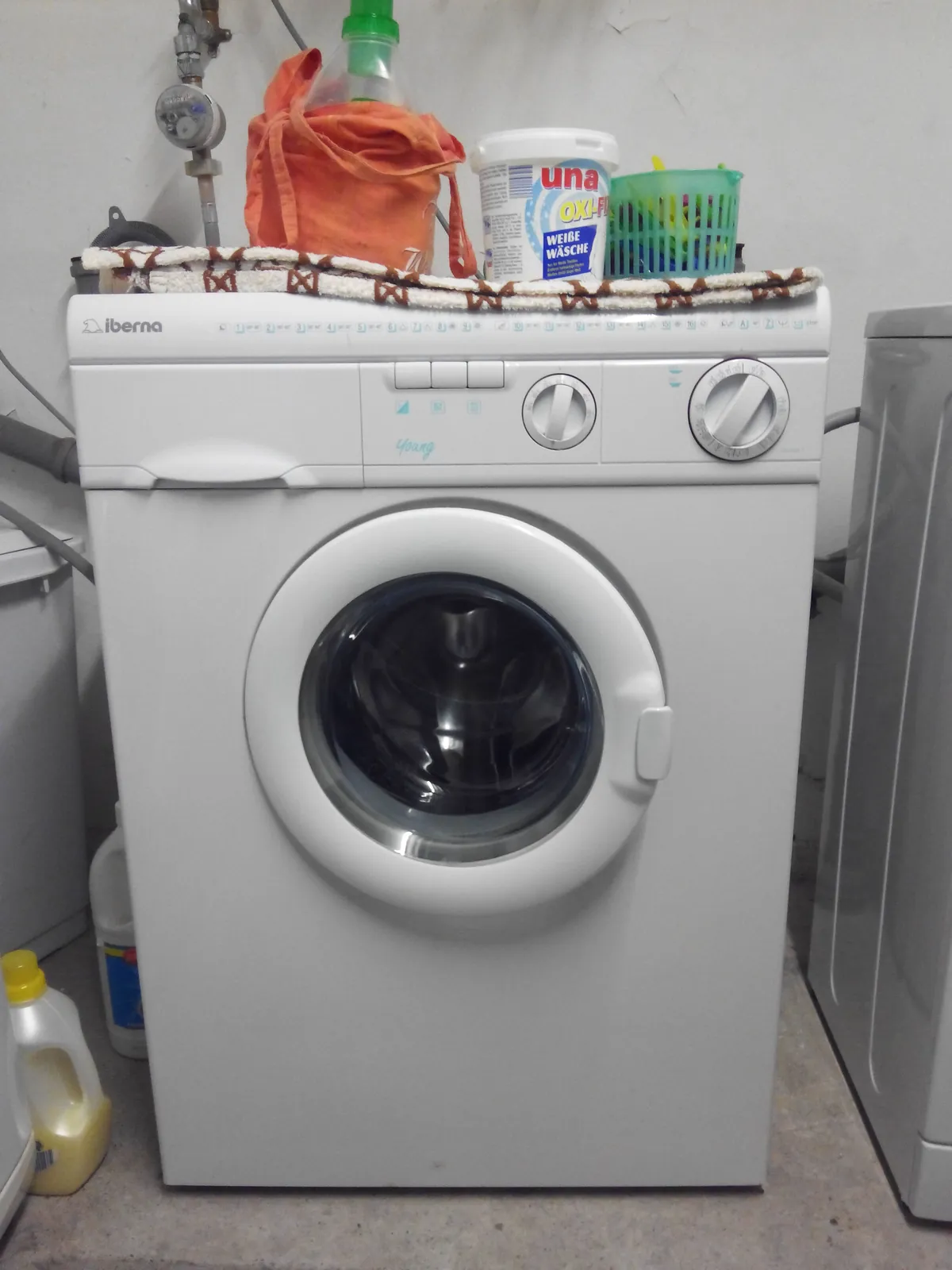
Top-load and front-load washers that will not drain, spin, fill or stop walking across the floor.
More on Washer Repair →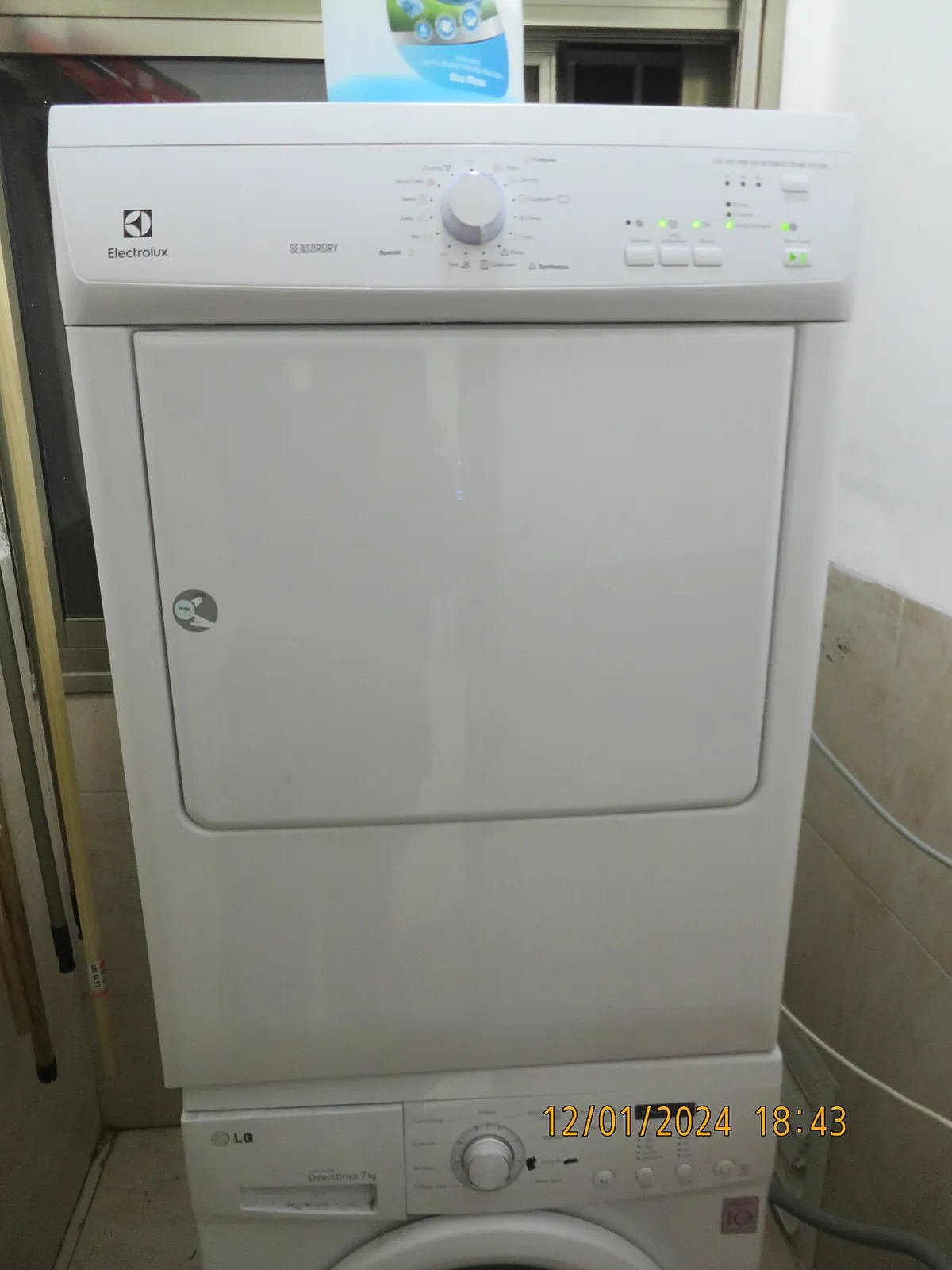
Gas and electric dryers that tumble cold, squeal, stop mid-cycle or never start at all.
More on Dryer Repair →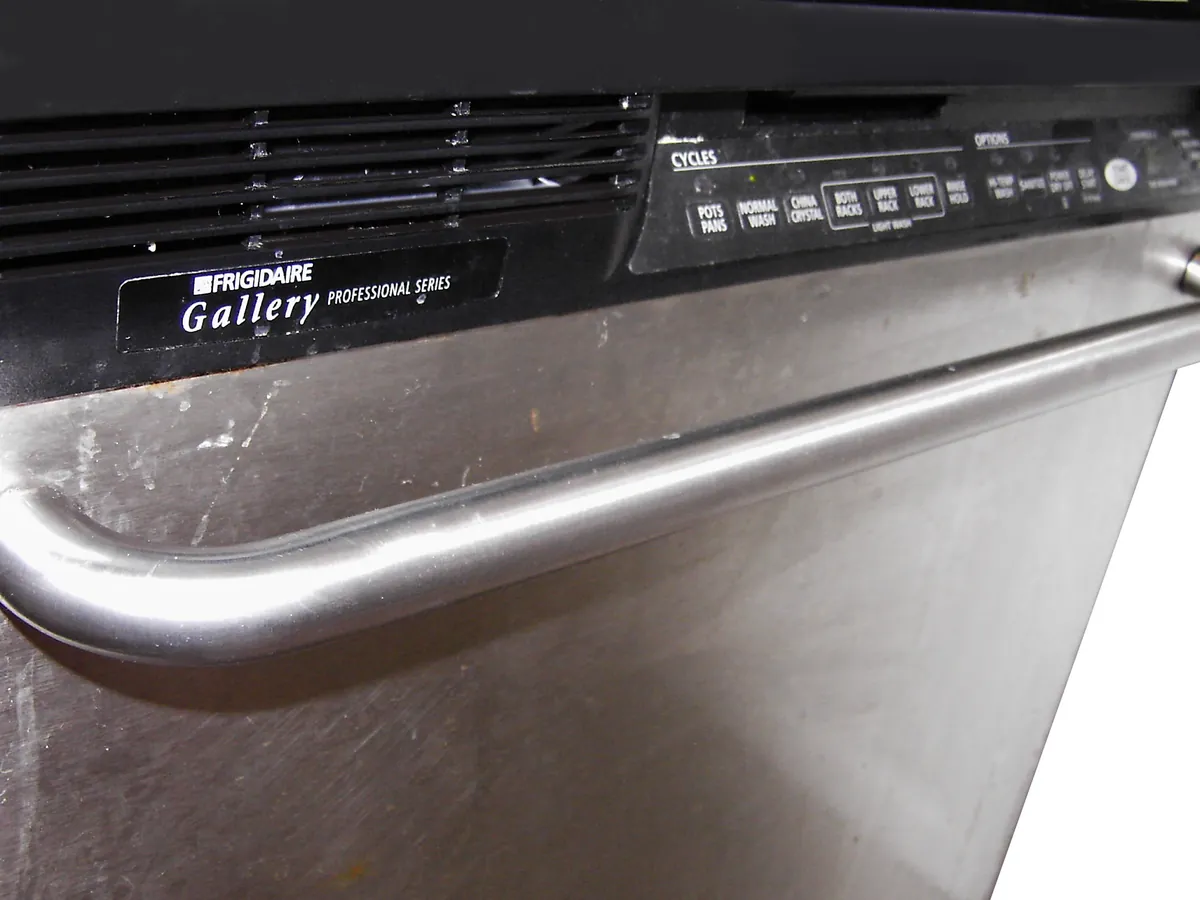
Standing water, cloudy glasses, leaks at the door and racks that come out wet.
More on Dishwasher Repair →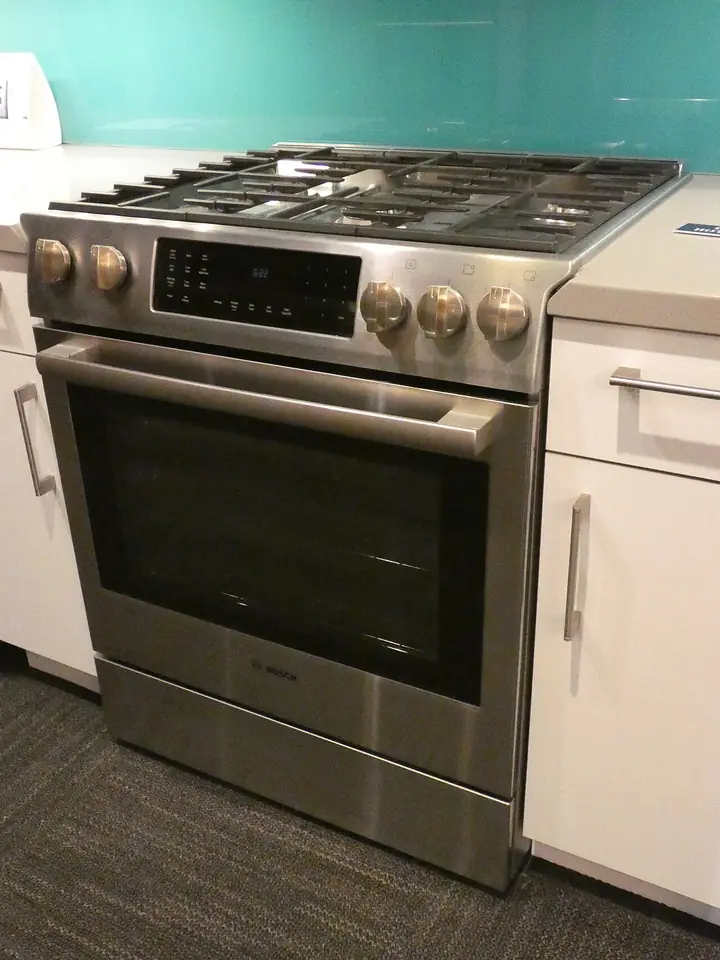
Ovens that run cold or hot, igniters that click without lighting, and dead surface burners.
More on Oven and Stove Repair →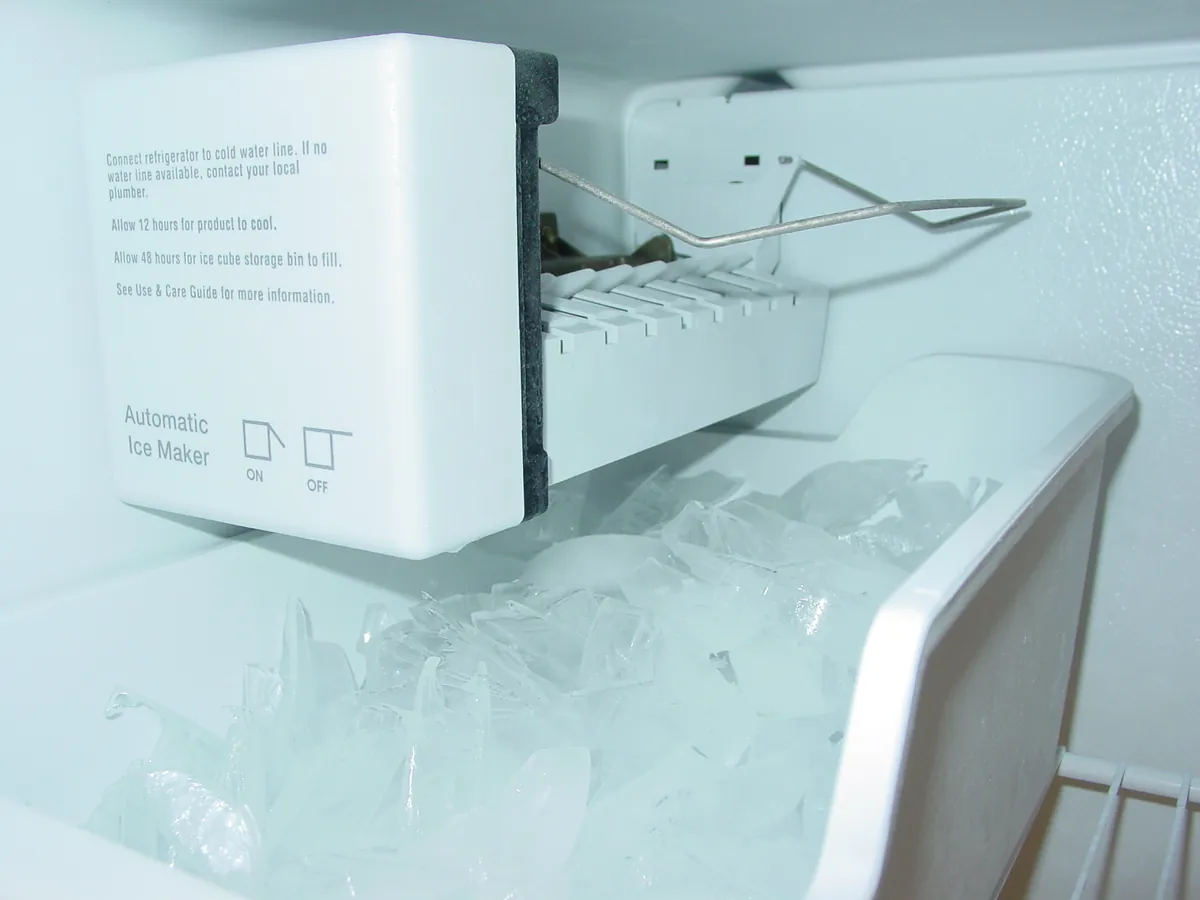
Built-in and freezer ice makers that stop filling, freeze up, leak or make hollow cubes.
More on Ice Maker Repair →A closed laundry closet or a galley kitchen with the windows shut gets hot, and fridges and dryers feel it first.
On those afternoons a fridge with dusty coils or no air gap can struggle to hold its set point.
The mildest stretch of the year, and a good time to have a tired machine looked at before summer.
Dry next to the windward side, so damp is less of an issue here than heat and stale closet air.
Moiliili, McCully and Kapahulu sit just across the Ala Wai, with Kaimuki and Kahala past Diamond Head. Farther out, visits continue to the Pearl Harbor side, the Koolau towns, Mililani and the North Shore.