
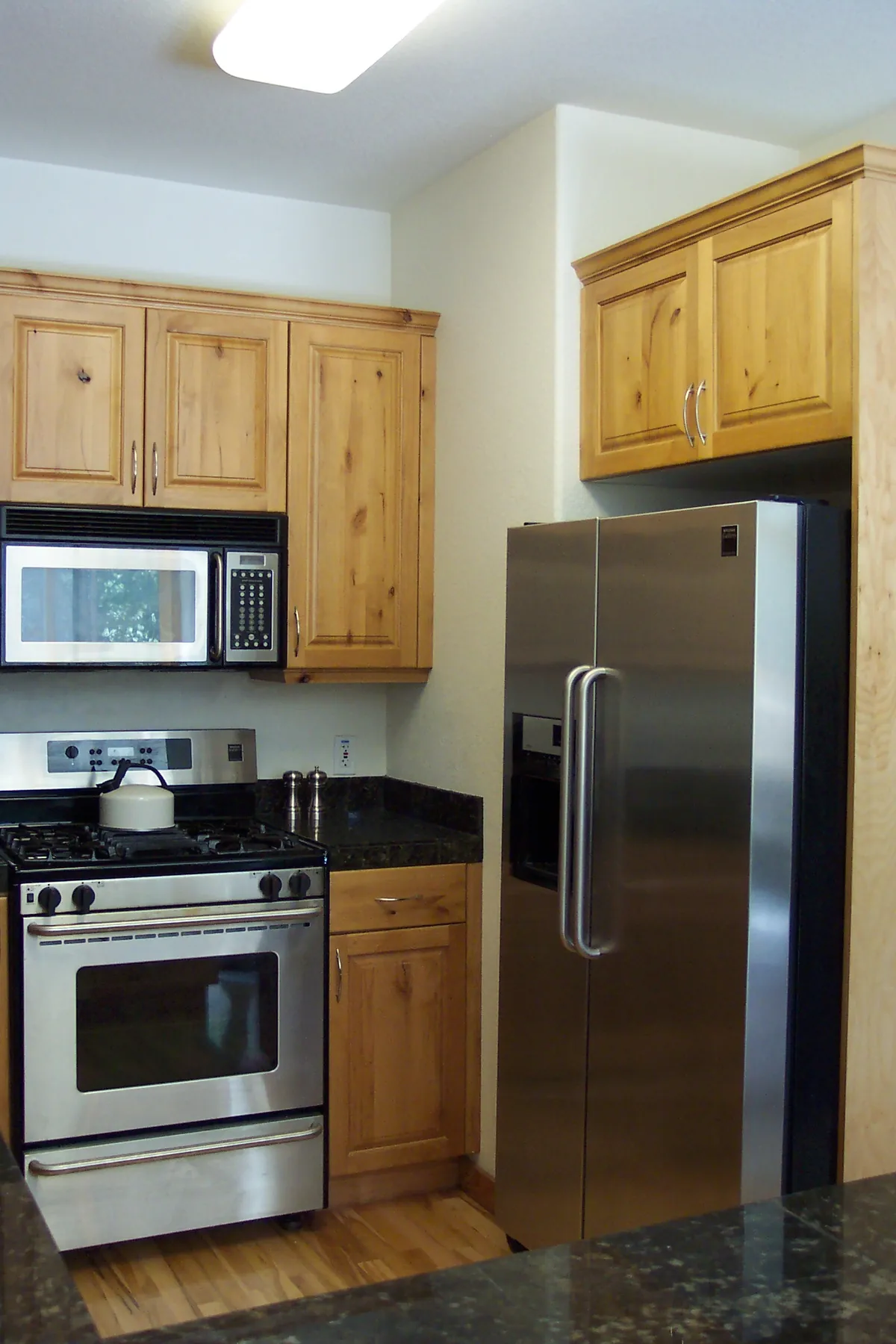
Refrigerator Repair
Warm sections, frost walls, leaks and noisy fans on top-freezer, side-by-side and built-in units.
More on Refrigerator Repair →Hawaii Kai was laid out around Kuapa Pond after a 1961 lease of some 6,000 acres, and building here peaked in the 1970s. Laundry hookups and kitchen outlets from that decade are now half a century old.
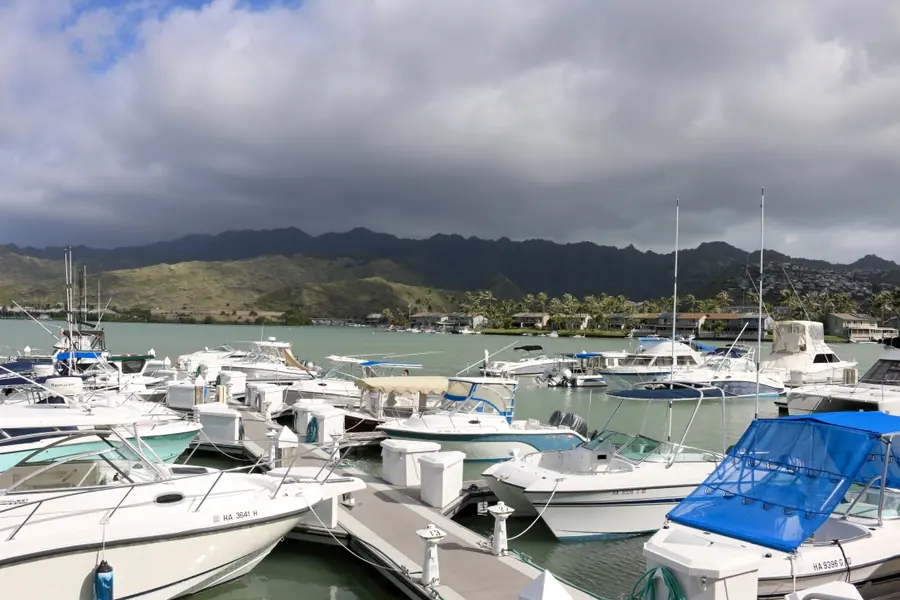
A repair here is shaped by the age of the houses and by who lives in them. In the Census ACS 2020-2024 estimate for ZIP 96825, the median home was built in 1977, and only 4 percent of units predate 1960. So the valves, standpipes and outlets behind many Hawaii Kai washers have been in the wall for decades, even where the machine itself is new. Owners occupy 83 percent of the homes, which means the person at the door can usually say yes to an estimate on the spot. One unit in five is in a tower, though, and there the condo association's house rules decide when a technician may work and which elevator to use.
| On the visit | Detached house | Unit in a tower |
|---|---|---|
| Share of homes | 60 percent of units | One in five, in towers of 20-plus units |
| Who says yes | The owner, in most homes here | The owner, inside the association's rules on contractor access |
| Dryer exhaust | The home's own run to an outside hood | Often a branch into a shared duct; check the declaration |
| A burst hose | Water on your own floor; dry it within 24 to 48 hours | Water that can reach the unit below |
| The old machine out | Bulky pickup, up to two metal appliances a booking | The association may book up to eight for the building |
The six machines island kitchens and laundry rooms lean on hardest, each with its own page on causes, parts and cost.
Warm sections, frost walls, leaks and noisy fans on top-freezer, side-by-side and built-in units.
More on Refrigerator Repair →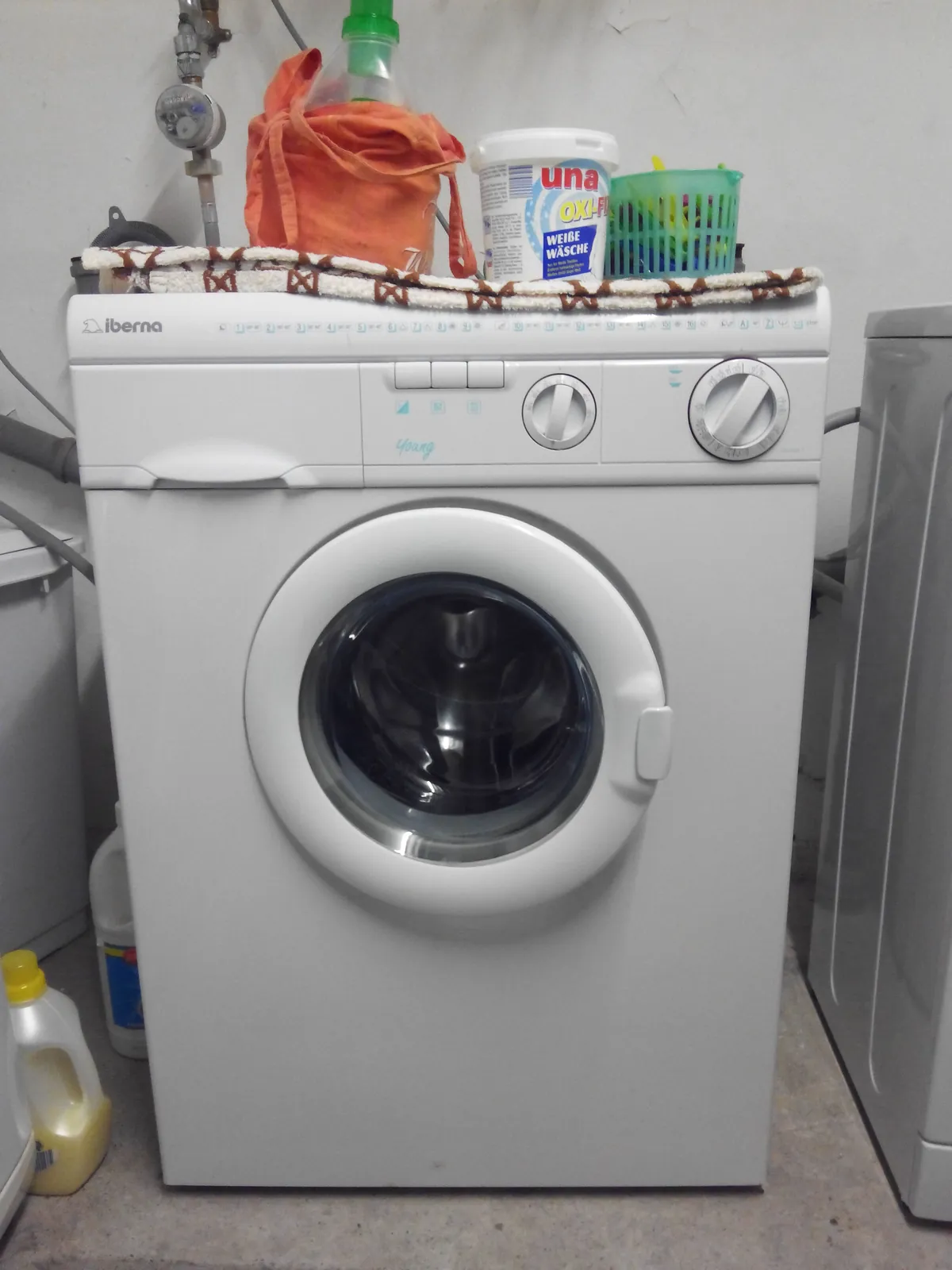
Top-load and front-load washers that will not drain, spin, fill or stop walking across the floor.
More on Washer Repair →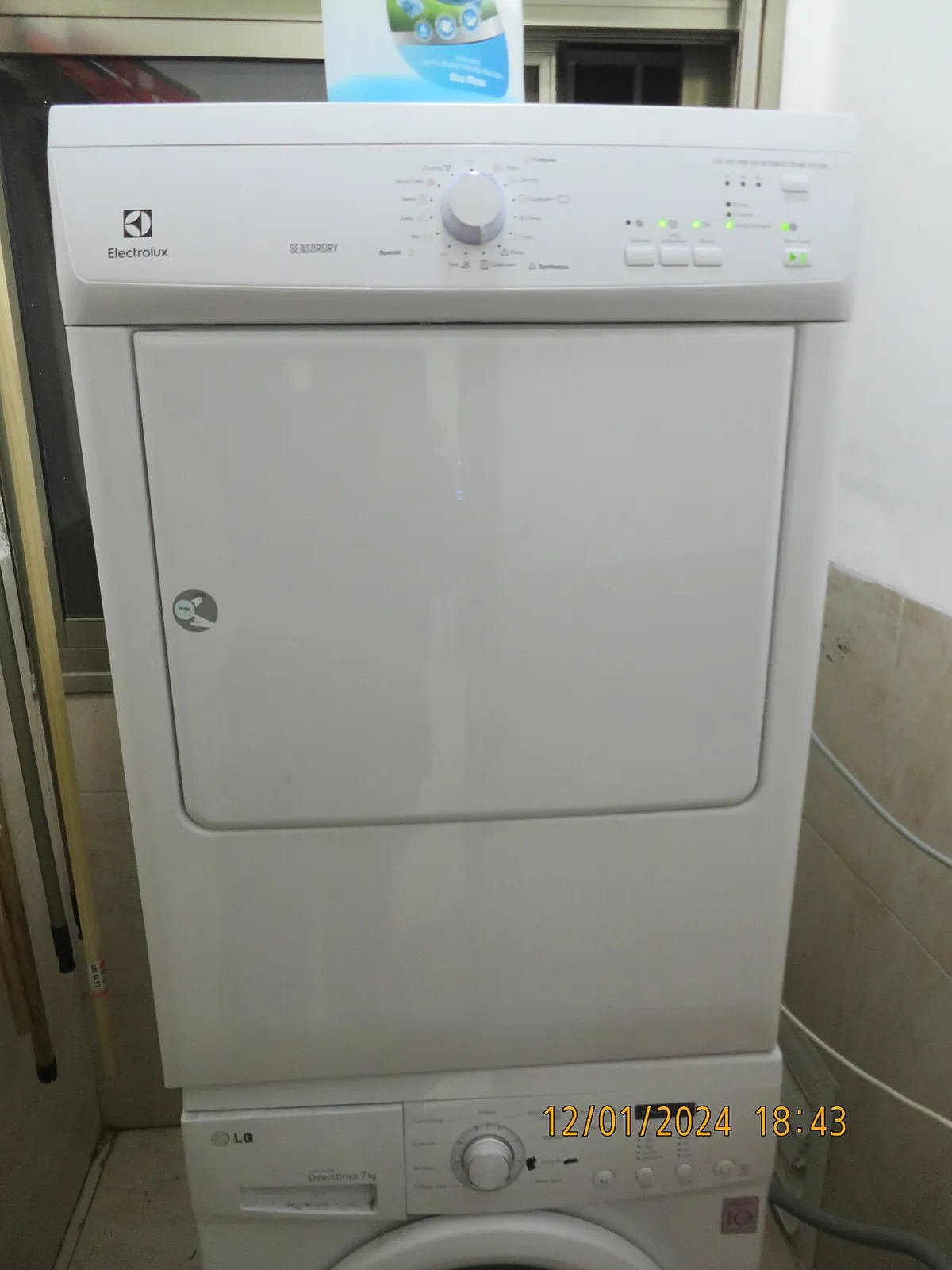
Gas and electric dryers that tumble cold, squeal, stop mid-cycle or never start at all.
More on Dryer Repair →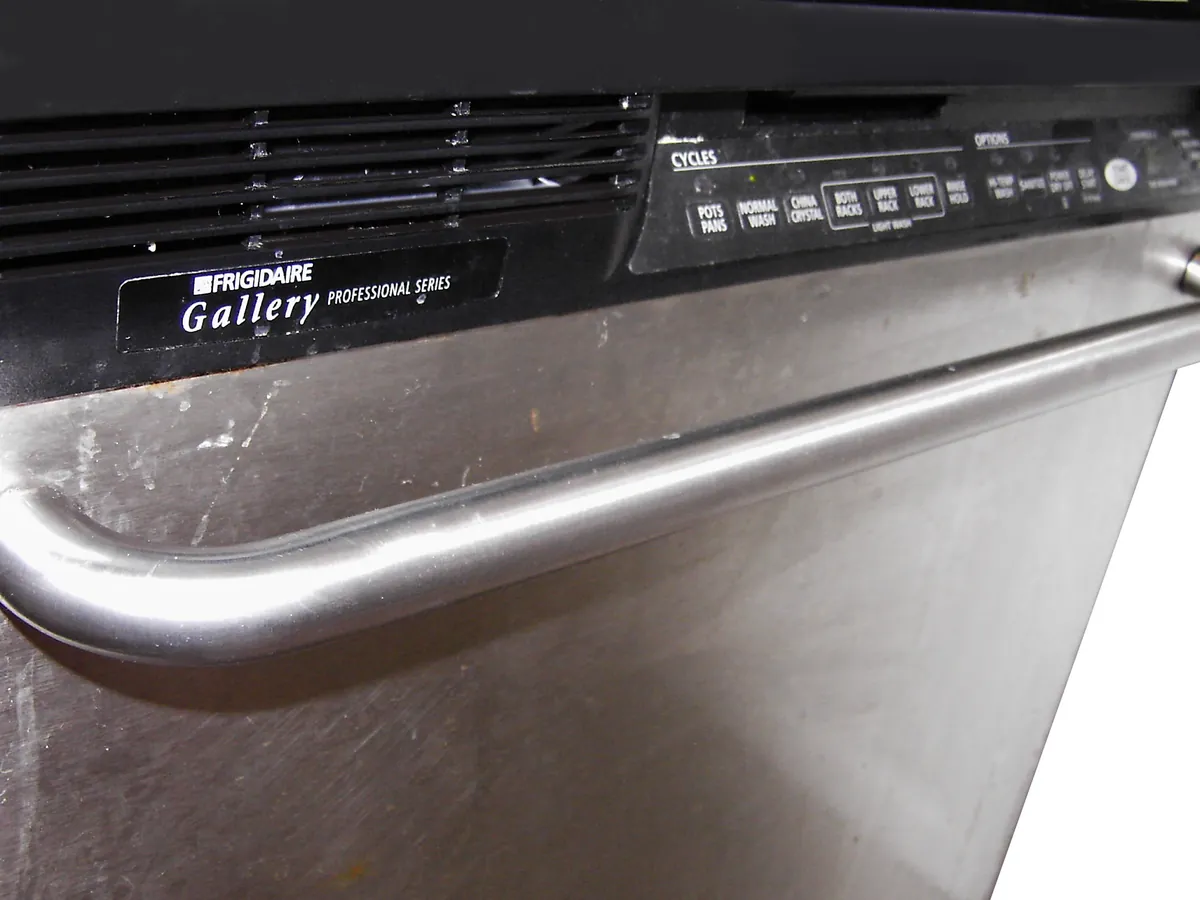
Standing water, cloudy glasses, leaks at the door and racks that come out wet.
More on Dishwasher Repair →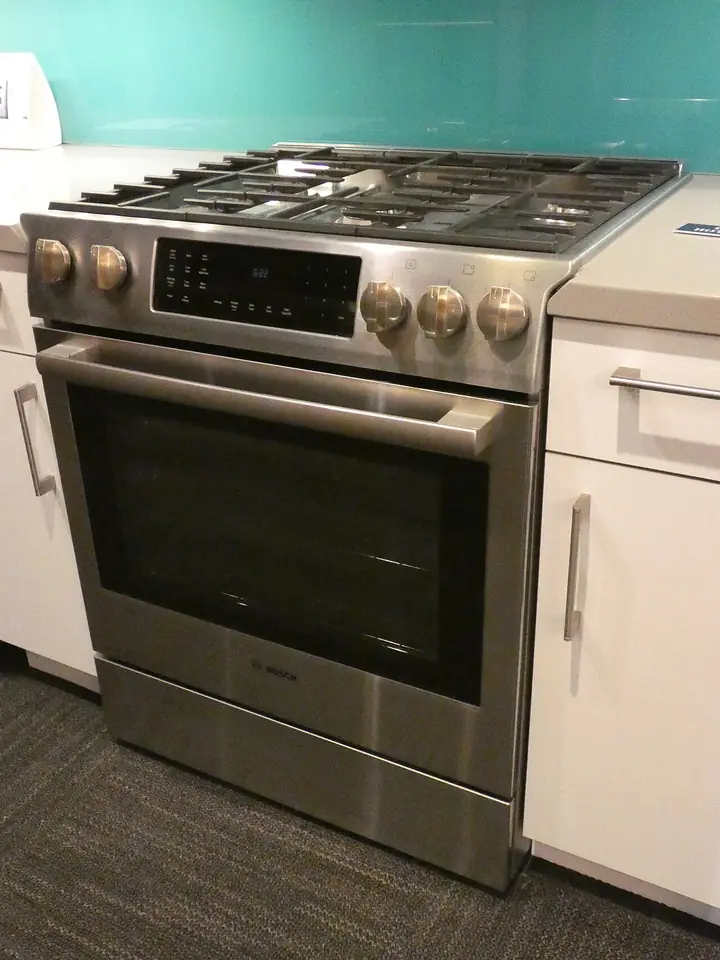
Ovens that run cold or hot, igniters that click without lighting, and dead surface burners.
More on Oven and Stove Repair →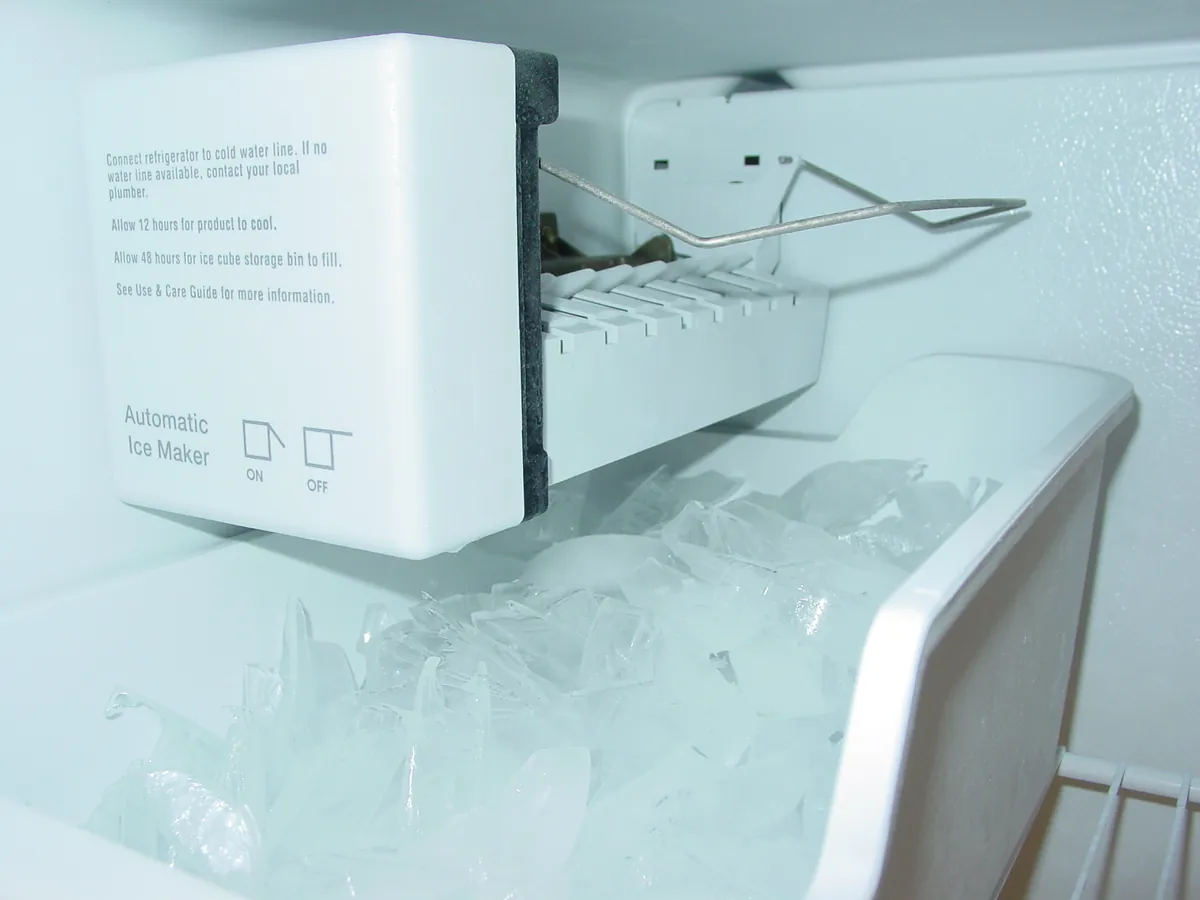
Built-in and freezer ice makers that stop filling, freeze up, leak or make hollow cubes.
More on Ice Maker Repair →Every one of the eleven subdistricts the neighborhood board names, from Marina West to Koko Head. Here is how they differ for the machines inside.
Homes along the waterways dredged out of Kuapa Pond, with salt water at the back fence.
Valley houses beside the area's tower block, where a building manager often sets the visit window.
Inland streets that climb toward Maunalua Ridge and the Koolau crest, well back from the bay.
Hillside and park-side blocks, Mauka and Makai, mostly houses with their own laundry corners.
The eastern end of the board area, running out toward Makapuu Point.
Sources: Census ACS 2020-2024 5-year estimates for ZCTA 96825, via Census Reporter; NOAA NCEI 1991-2020 normals, Paiko Drive station
Most of Hawaii Kai rose in a single push around the pond, so neighbors share the same era of plumbing and wiring. DOE puts an average clothes washer at 13.4 years, a dryer at 14 and a dishwasher at 15.2, so a house from 1977 has outlived several rounds of each. What stays is the hookup. A supply valve that will not fully close, a standpipe too short for a newer front-loader (Whirlpool wants its top at least 30 inches off the floor) or a worn outlet can make a new part fail early.
Kuliouou and Kalani Iki sit just west along the coast, then Kahala; Waimanalo lies around Makapuu Point. Beyond them, visits go on to town, the windward side, the central plateau and the leeward plains.