
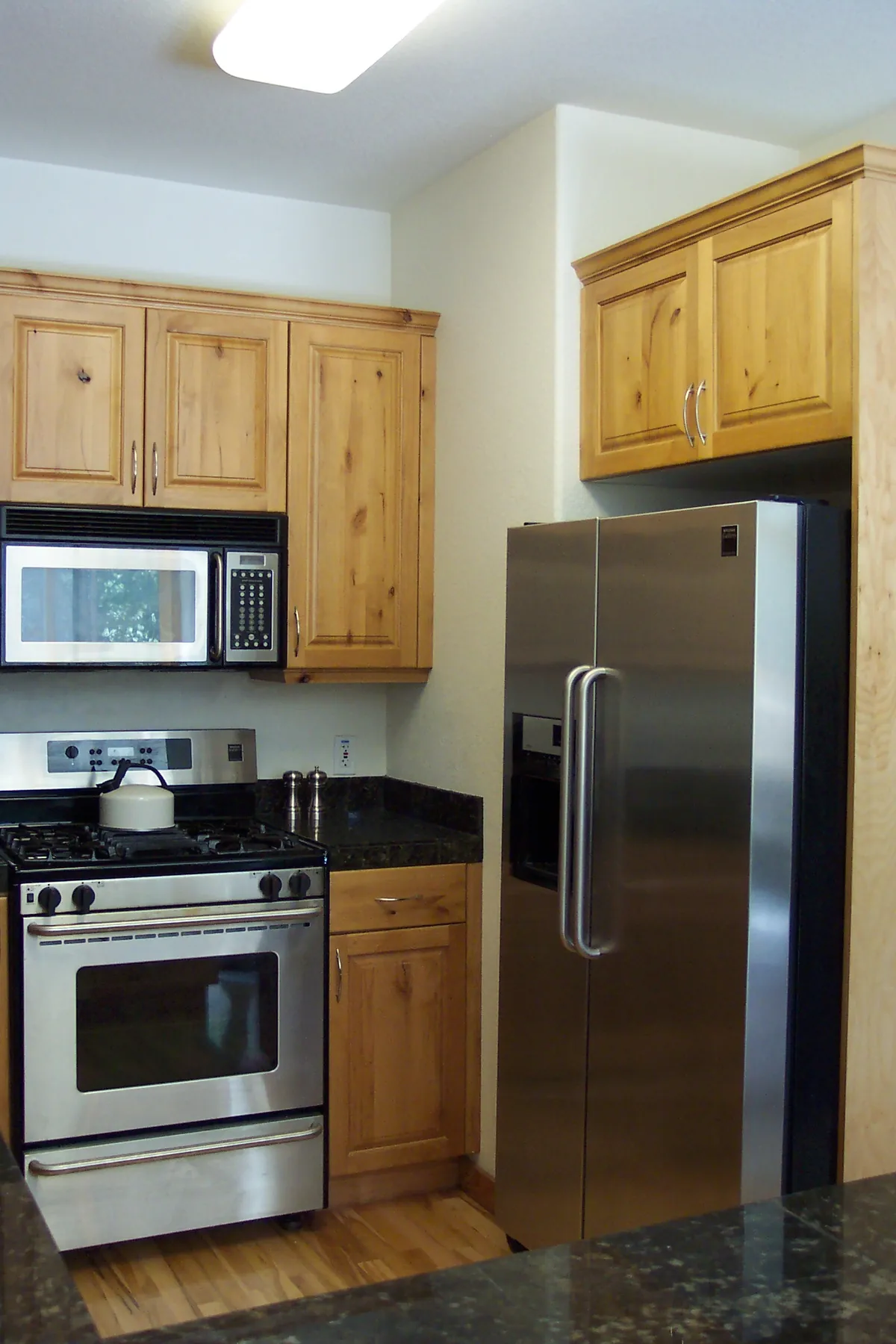
Refrigerator Repair
Warm sections, frost walls, leaks and noisy fans on top-freezer, side-by-side and built-in units.
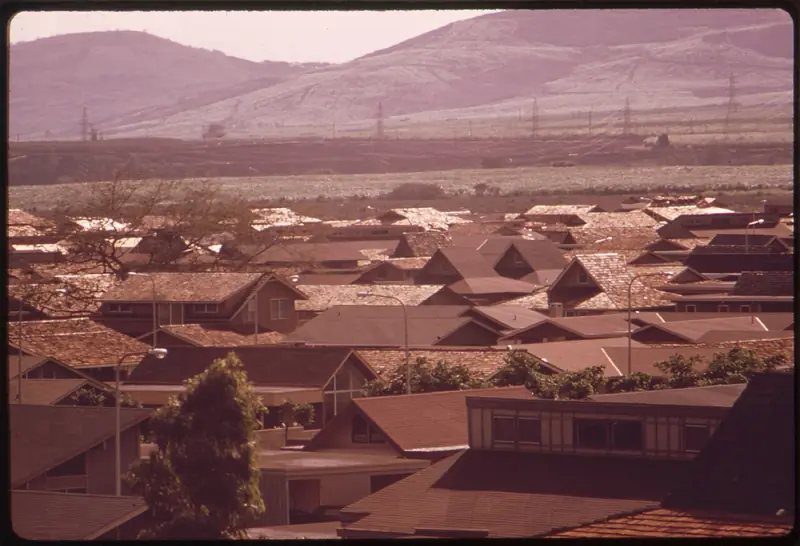
More on Refrigerator Repair →Mililani Town went up in one push: 83 percent of its homes were built between 1970 and 1989, on former pineapple land. When a whole neighborhood is the same age, its washers, fridges and water lines tend to wear out on the same schedule.
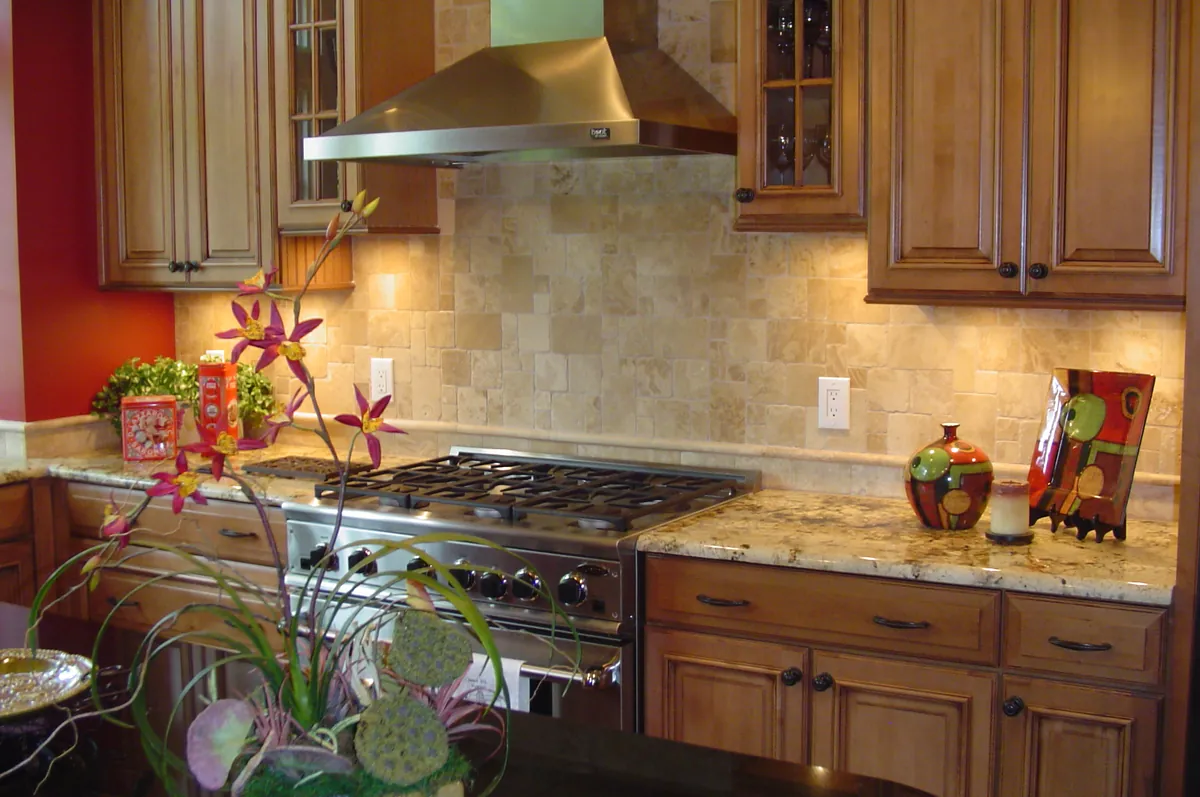
The six machines island kitchens and laundry rooms lean on hardest, each with its own page on causes, parts and cost.
Warm sections, frost walls, leaks and noisy fans on top-freezer, side-by-side and built-in units.
More on Refrigerator Repair →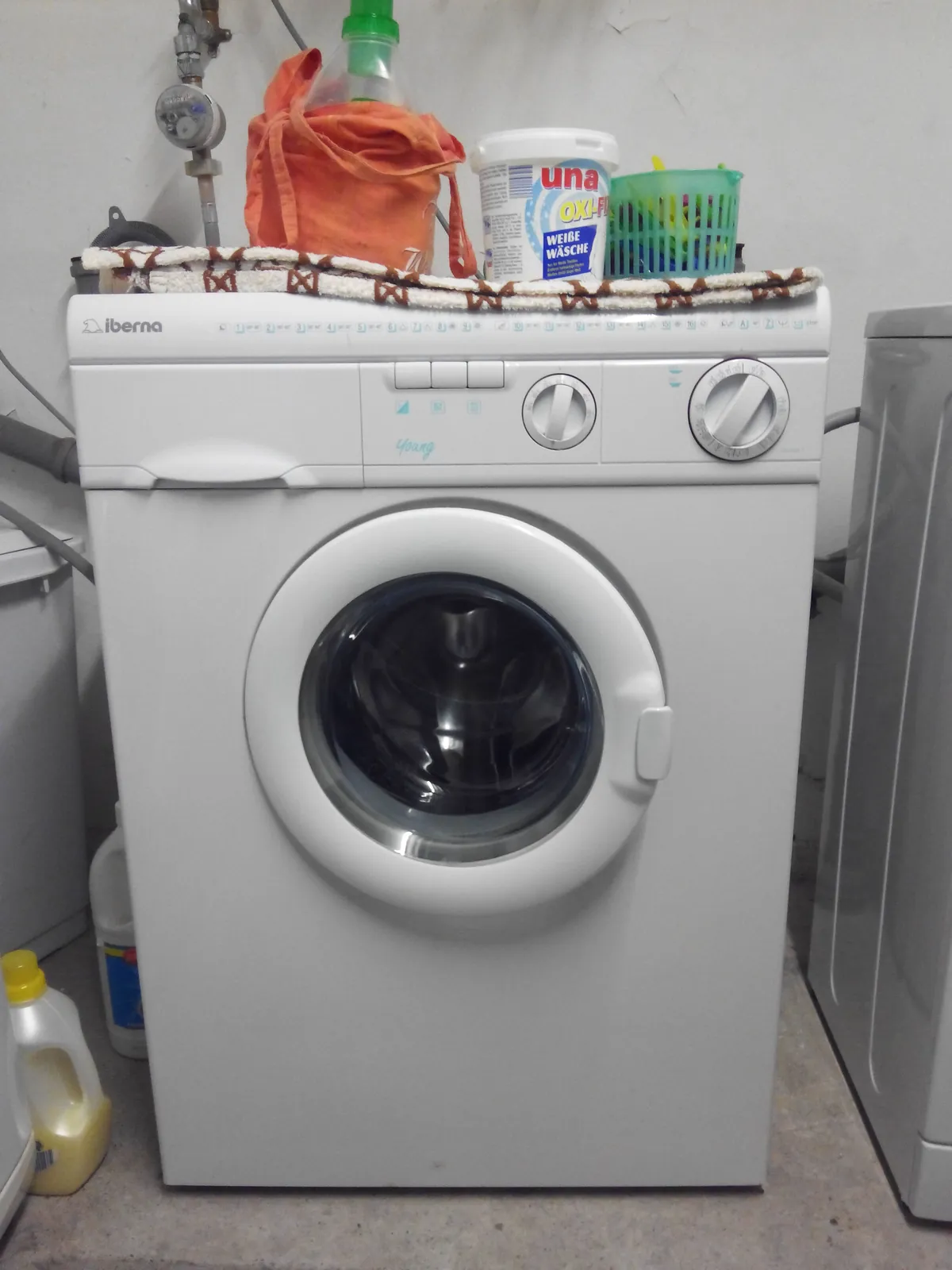
Top-load and front-load washers that will not drain, spin, fill or stop walking across the floor.
More on Washer Repair →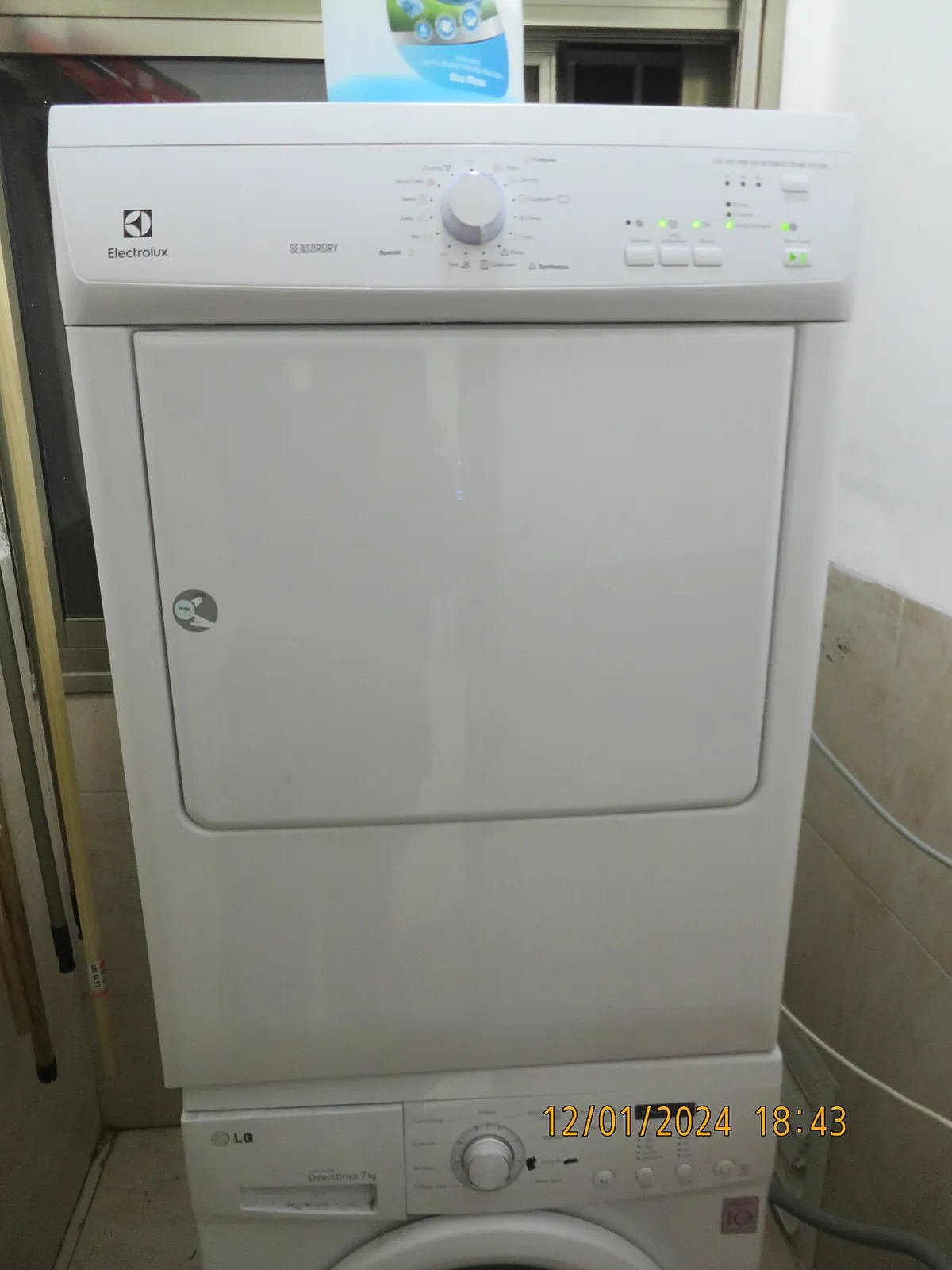
Gas and electric dryers that tumble cold, squeal, stop mid-cycle or never start at all.
More on Dryer Repair →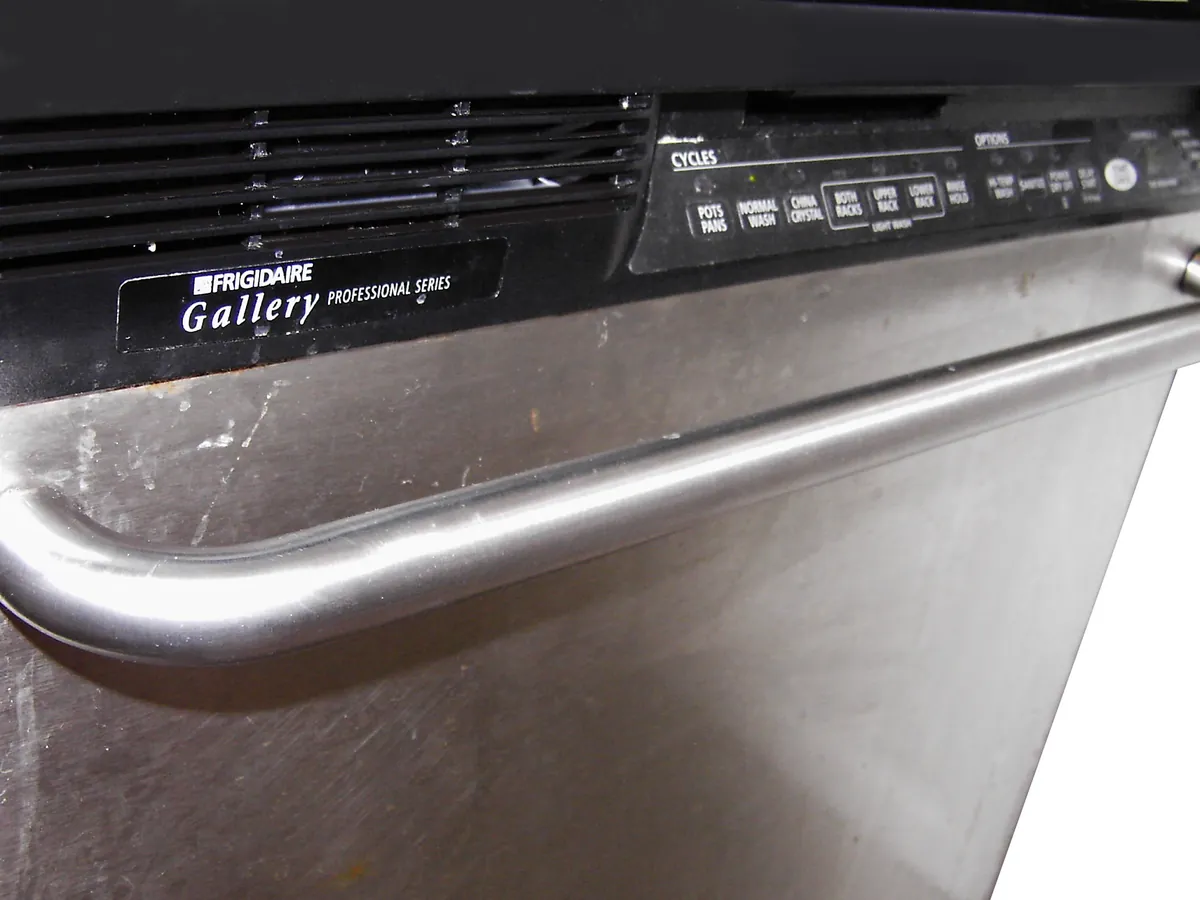
Standing water, cloudy glasses, leaks at the door and racks that come out wet.
More on Dishwasher Repair →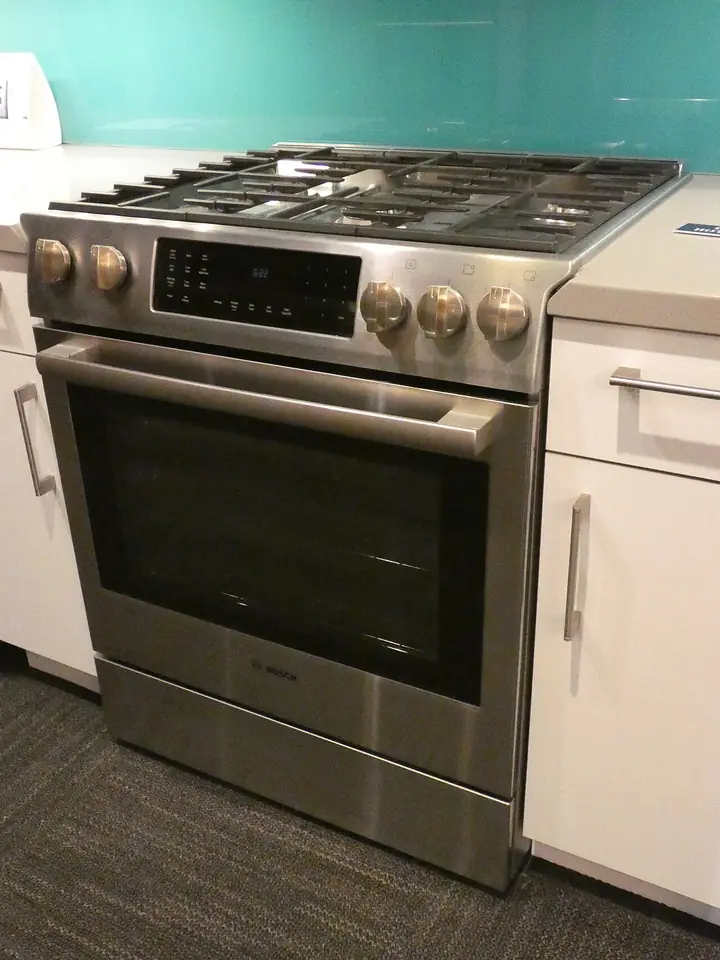
Ovens that run cold or hot, igniters that click without lighting, and dead surface burners.
More on Oven and Stove Repair →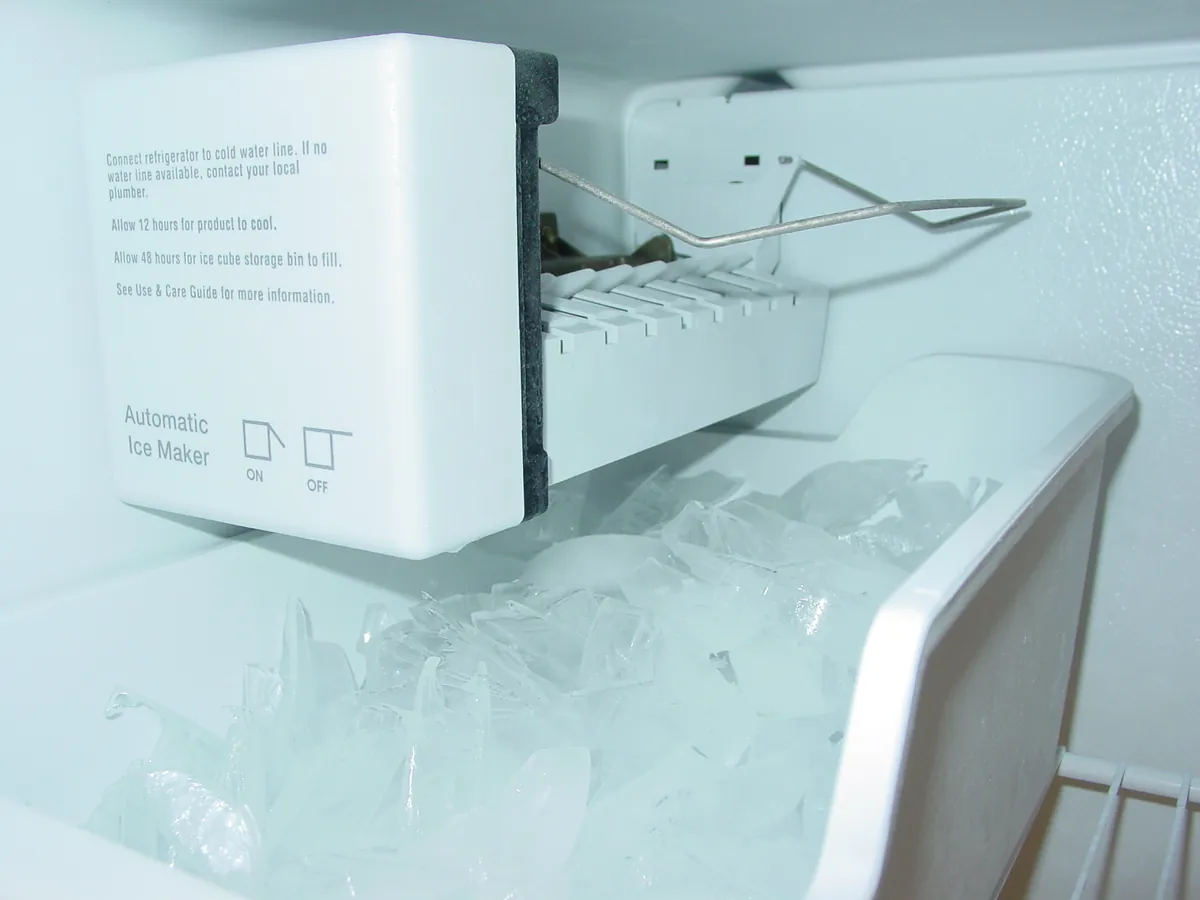
Built-in and freezer ice makers that stop filling, freeze up, leak or make hollow cubes.
More on Ice Maker Repair →One ZIP area, at least three different housing eras. Here is how they differ for a repair visit.
The original subdivisions, mostly owner-occupied houses now on their second or third set of kitchen and laundry machines.
The newer upper side, where many builder-installed washers, dryers and dishwashers are now reaching their expected age together.
Part of the Mauka neighborhood board area, sharing its newer housing and its wave of aging original appliances.
A smaller pocket at the edge of the ZIP area, below the plateau towns and closer to the H-2.
On-base housing next door is almost entirely rented, so a broken range or washer there goes to the housing operator.
| What to compare | Mililani Town | Mililani Mauka |
|---|---|---|
| Homes counted | 9,945 | 7,831 |
| When most were built | 83 percent between 1970 and 1989 | 42 percent in 2000 or later |
| Share rented | fewer than one in five | a little under one in four |
| Typical appliance story | replacements of replacements, on original valves and drains | builder machines now at or past federal average lifespans |
| What usually gets checked first | supply valves, hoses and the standpipe the washer drains into | age of the unit against its expected life, before a costly part |
Repairs up here differ because the salt mostly stays away, and age becomes the main story. The UH chloride study measured the lowest salt deposition on the island in central Oahu, so the pitted stainless and rusted cabinets common on the coasts are rarer here. The plateau is wetter than the south shore, though: Wheeler's gauge averages 42.5 and Upper Wahiawa's 59.7 inches a year, against 25.0 at Waikiki. What drives most calls is timing. DOE puts the average refrigerator at 14.3 years and the dishwasher at 15.2, and a subdivision built in one era reaches those ages together. That makes the age of the machine the first question on any visit.
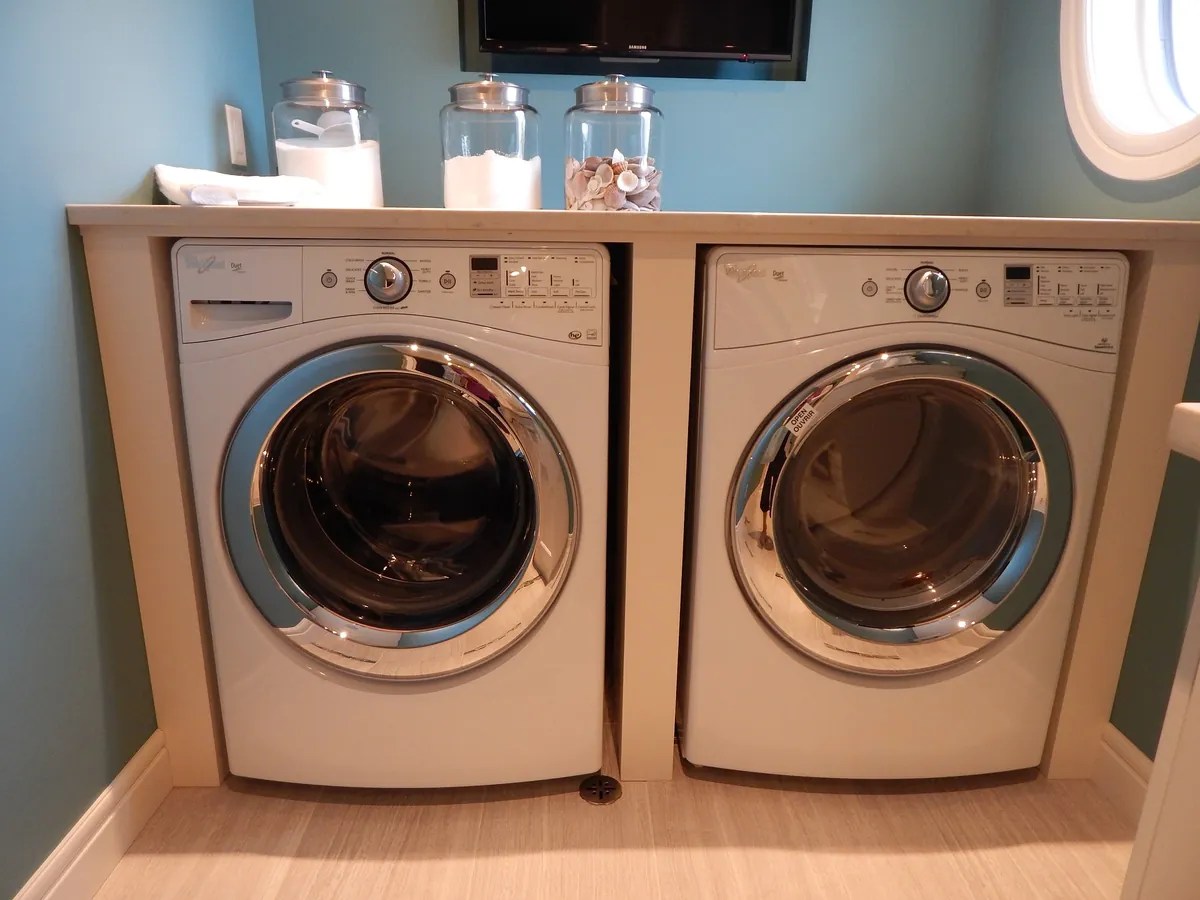
DOE's averages are 13.4 years for a clothes washer, 14 for a dryer and 15.2 for a dishwasher. A Mauka house finished in the early 2000s that still runs its first set is past every one of them. That does not mean replace on sight. DOE's own models assume a repair buys a washer or dryer about 5 more years, so a single failed pump or belt on a sound machine is often worth fixing. A tired machine with rust at the seams and a second failure is a different conversation.
Wahiawa and Whitmore Village sit just north on the plateau, while Waipahu, Pearl City and Aiea are a short run downhill. Longer trips go over to Kailua and Kaneohe, west to Kapolei and Waianae, and up past the pineapple fields to Haleiwa.