
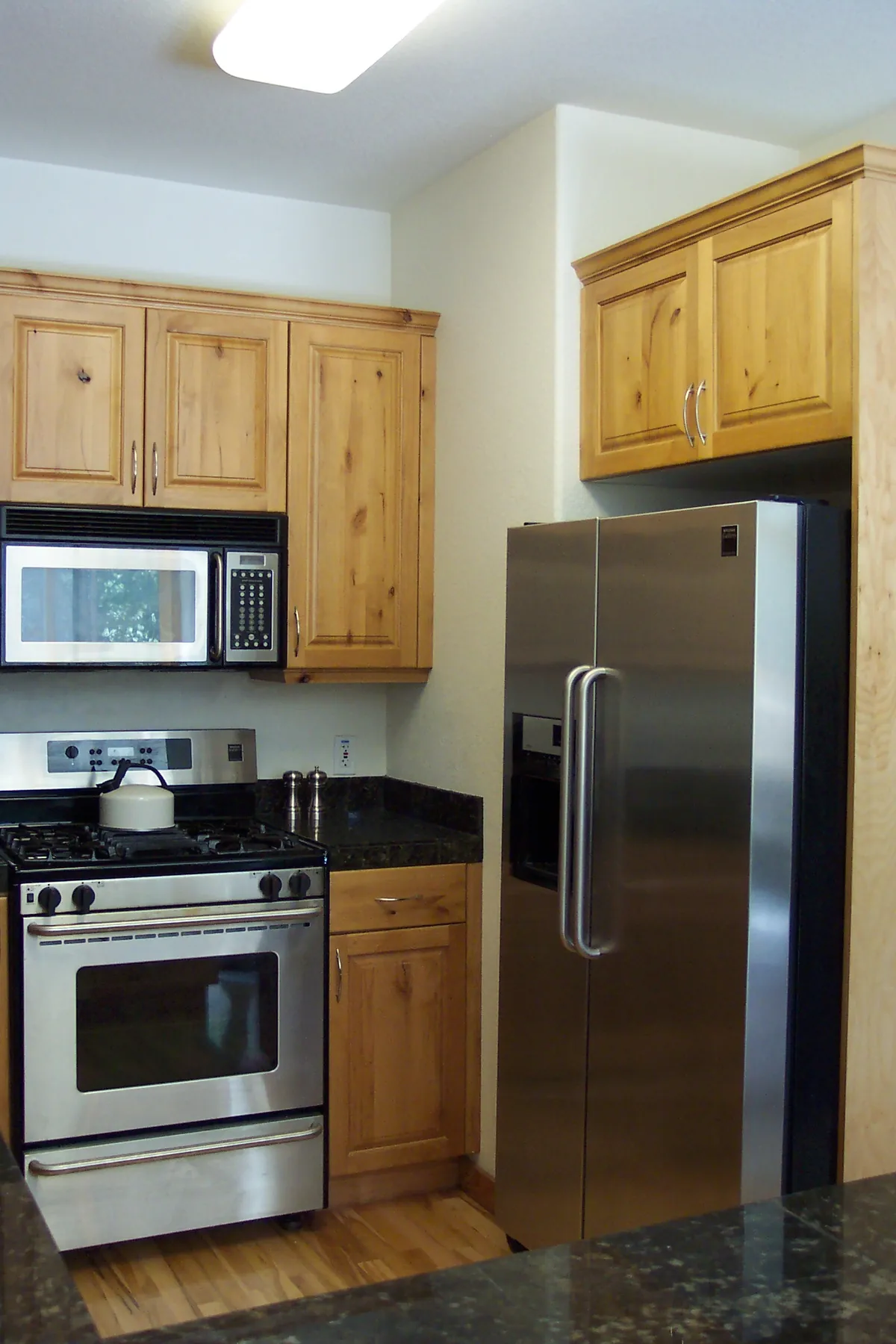
Refrigerator Repair
Warm sections, frost walls, leaks and noisy fans on top-freezer, side-by-side and built-in units.
More on Refrigerator Repair →The State Hospital rain gauge in Kaneohe averages 69.5 inches a year, close to three times the 25.0 measured at Waikiki. That water ends up in the air, the laundry room and the back of every appliance in the house.

Because this is one of the wettest populated parts of the island, and moisture is what lets metal corrode. Windward lowland humidity runs about 70 to 80 percent, and the rainy half of the year runs from October to April. Laundry feels it first. A shut front-loader dries slowly, and a dryer with a partly blocked vent leaves the load damp. Leaks matter more too. EPA wants a wet floor dried within 24 to 48 hours before mold starts, and that clock runs fast in a humid house. So a slow drip from an ice-maker line or dishwasher hose is worth a call.
The six machines island kitchens and laundry rooms lean on hardest, each with its own page on causes, parts and cost.
Warm sections, frost walls, leaks and noisy fans on top-freezer, side-by-side and built-in units.
More on Refrigerator Repair →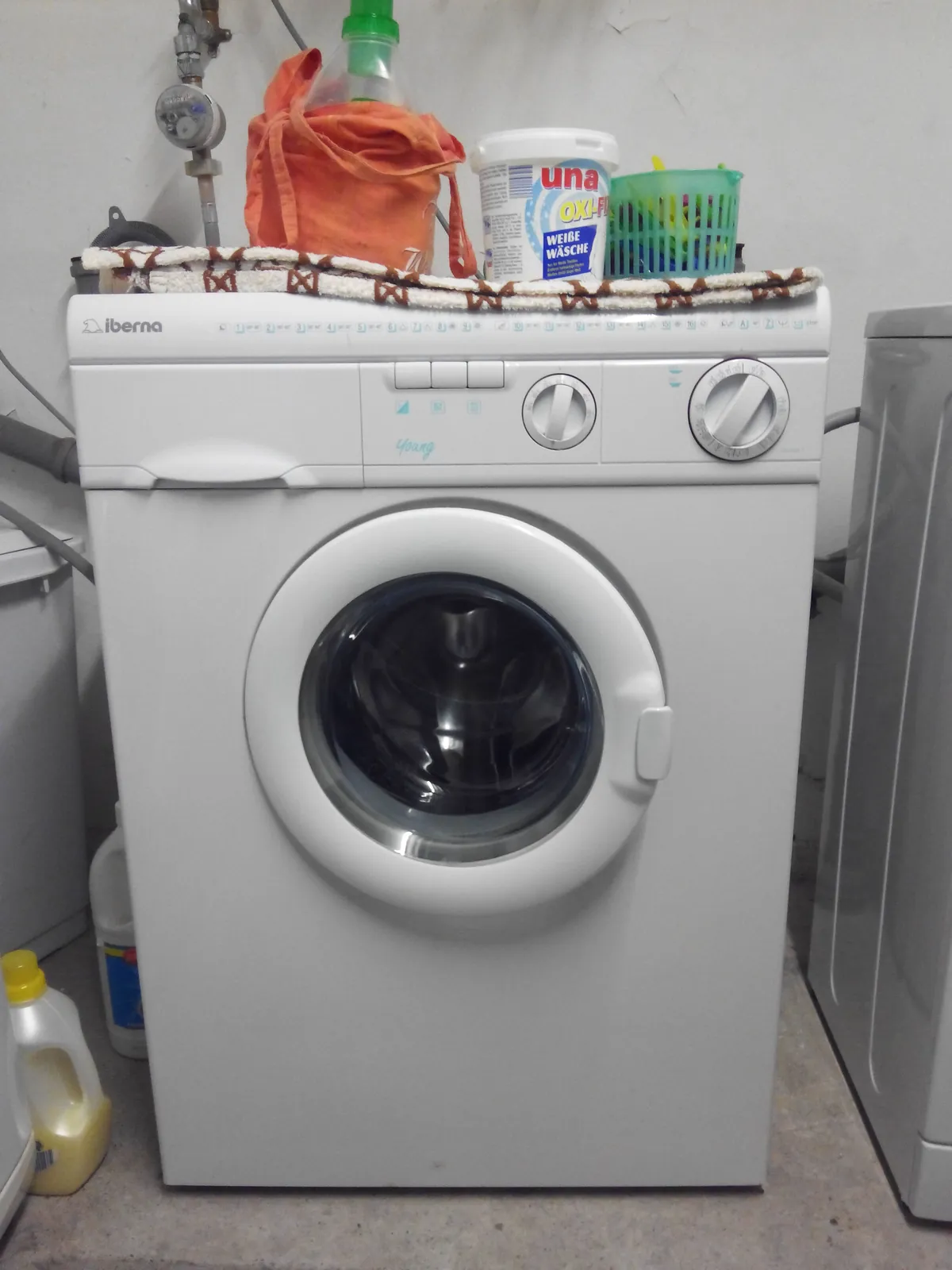
Top-load and front-load washers that will not drain, spin, fill or stop walking across the floor.
More on Washer Repair →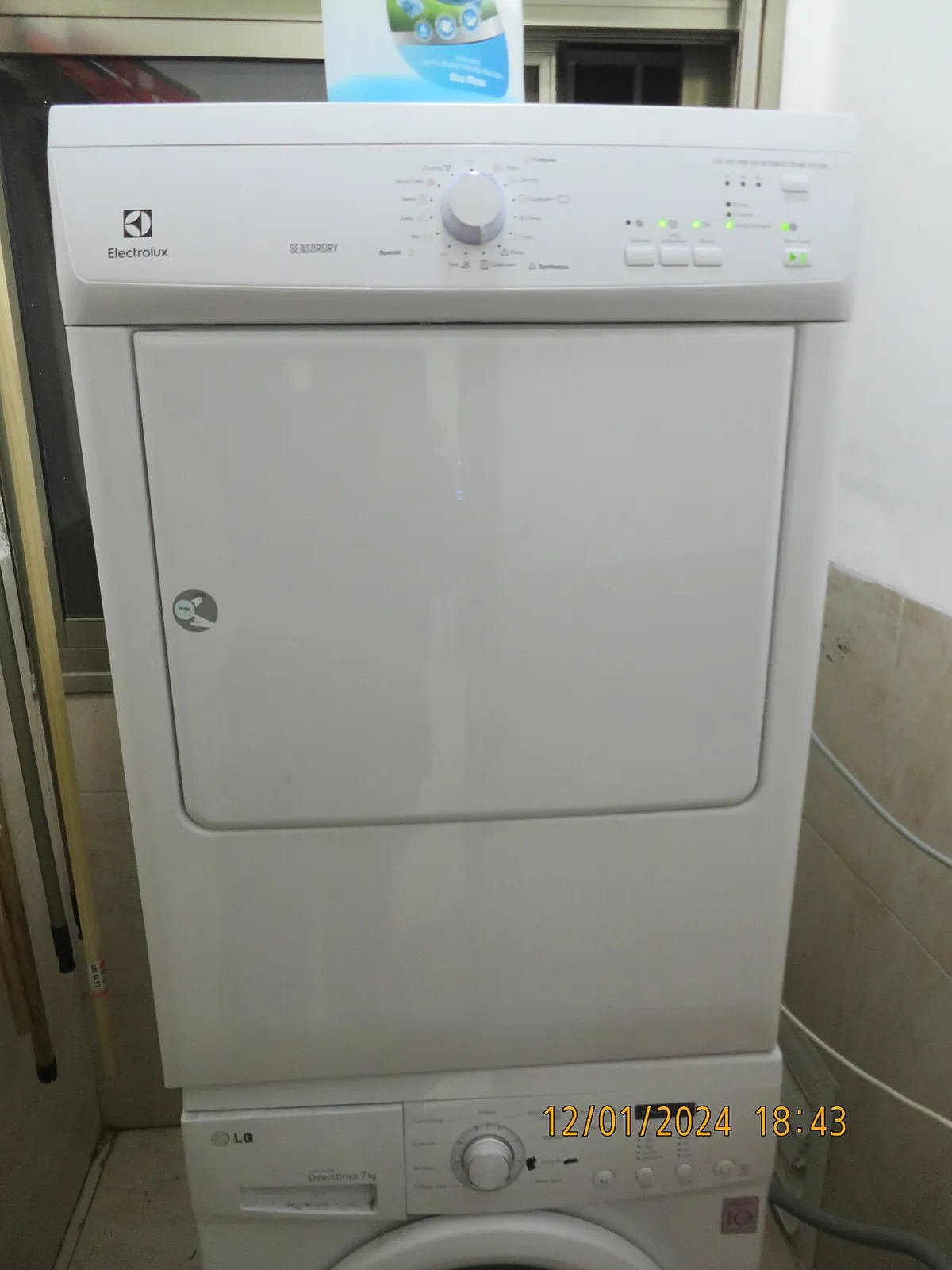
Gas and electric dryers that tumble cold, squeal, stop mid-cycle or never start at all.
More on Dryer Repair →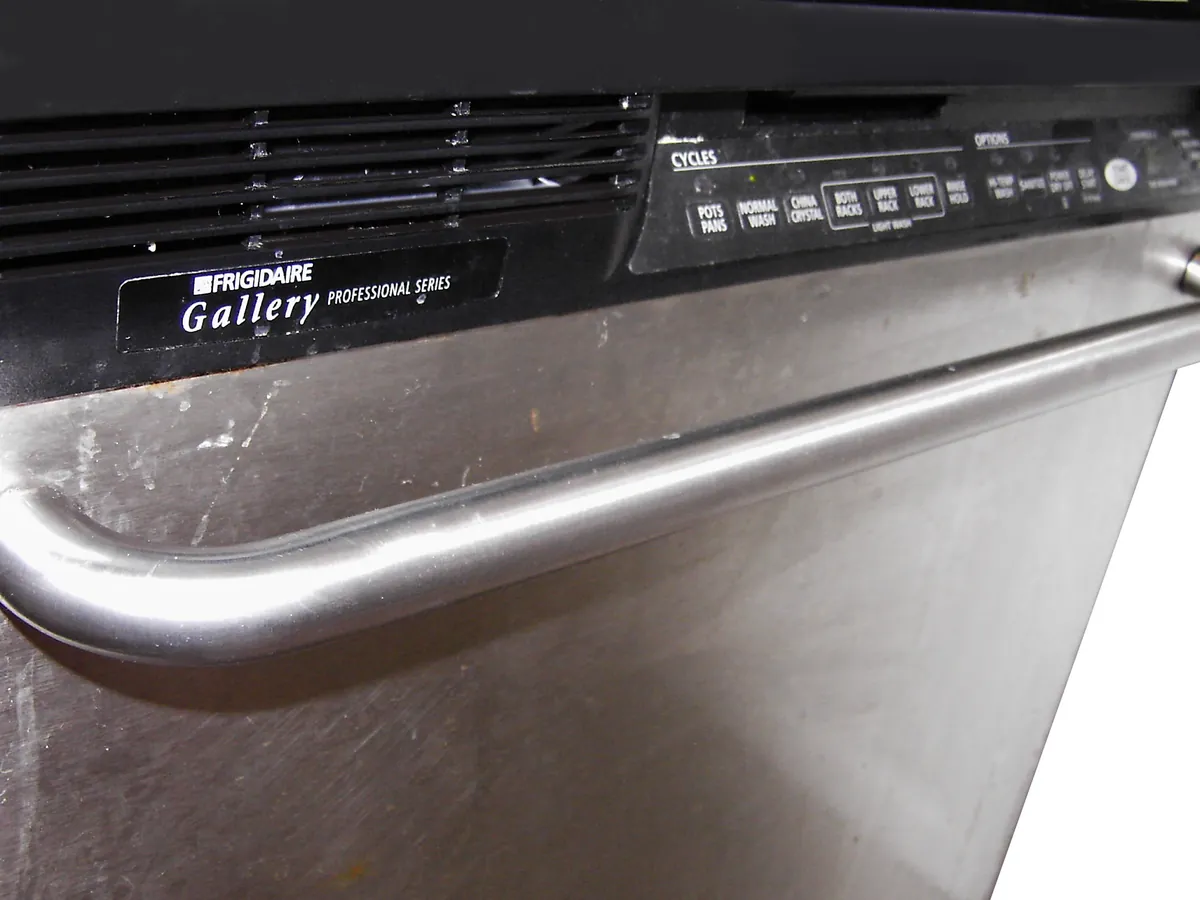
Standing water, cloudy glasses, leaks at the door and racks that come out wet.
More on Dishwasher Repair →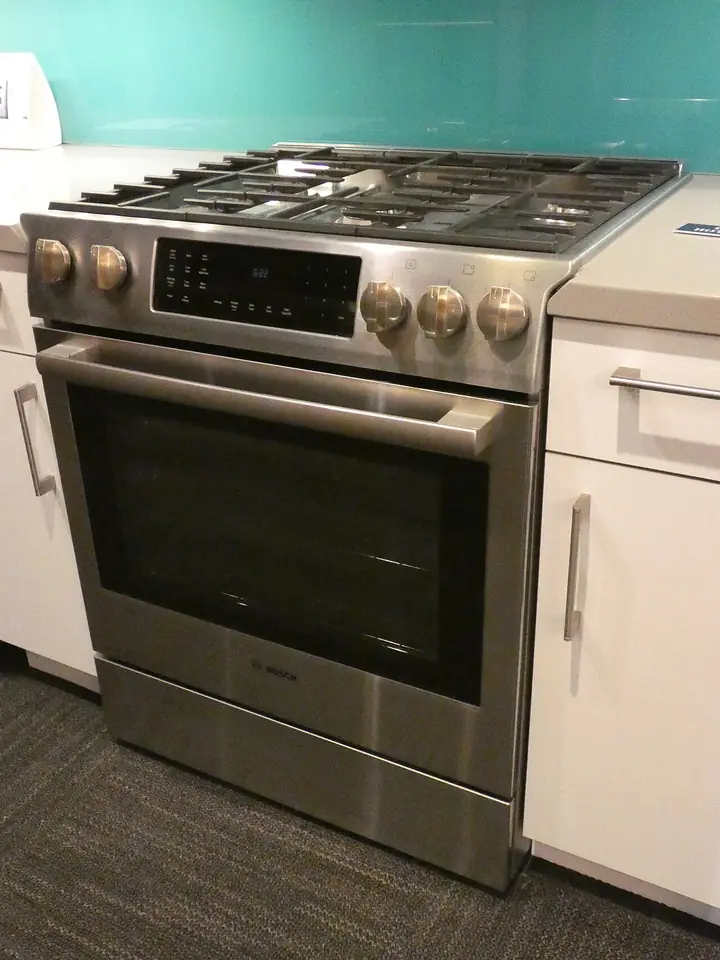
Ovens that run cold or hot, igniters that click without lighting, and dead surface burners.
More on Oven and Stove Repair →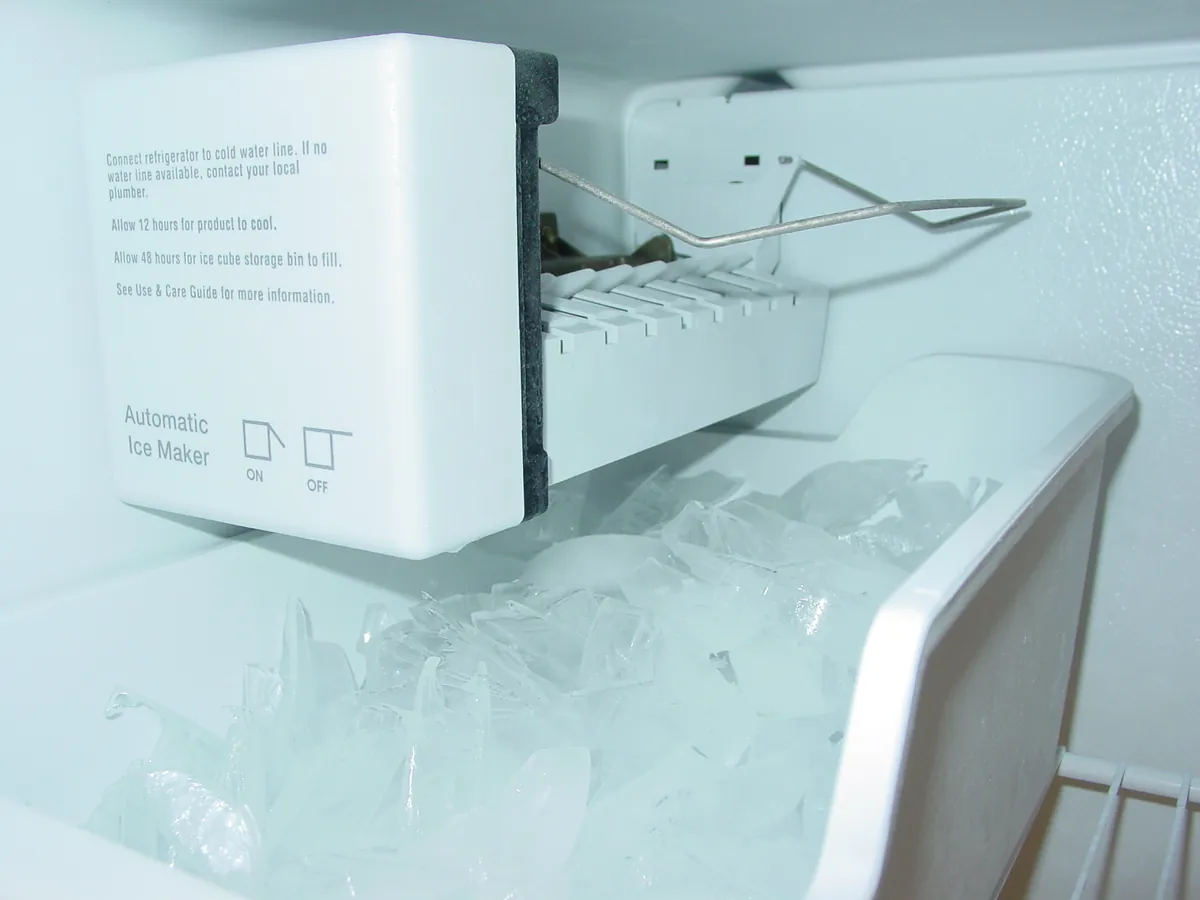
Built-in and freezer ice makers that stop filling, freeze up, leak or make hollow cubes.
More on Ice Maker Repair →The 96744 ZIP area takes in Kaneohe and its neighbors up the coast. Each one has a different mix of houses, owners and renters.
The bay-side core, where salt from the water and rain off the mountains meet.
Newer than its neighbors, with only 27 percent of homes from before 1970.
Almost all houses, and just 9 percent rented, so owners make the calls.
Mostly houses up the coast road, with about a third of them rented.
Rural valley homes at the north end of the ZIP area, farthest from town.
The Census counts 11,931 homes here, and 68 percent of them are detached houses. About 11 percent sit in buildings of 20 or more units, so a handful of calls involve a condo board and its house rules, but most do not. A quarter of homes are rented. In practice that means the person at the door can usually say yes to a repair on the spot, and the laundry is in a garage, carport or utility room rather than a closet in a stack.
Age is the other half of the picture. A little under half of the homes in town were built before 1970, and only 10 percent in 2000 or later. Older houses often keep their original shutoff valves and outlets, and a new dishwasher or fridge has to fit around them. Before a part is ordered, the technician checks that the supply line and the power at the wall are sound, so a new part is not blamed for an old fitting.
Source: U.S. Census ACS five-year data for 2019-2023, census-designated place tables from the State Data Center
Usually the housing operator, not the family living there. In the Kaneohe Base census area, 2,457 of 2,502 occupied homes were rented, and repairs in on-base homes typically go through whoever runs the housing. Off base the picture flips. Fewer than one in fifty Kaneohe residents aged 16 and up served in the Armed Forces, so most calls in town come from civilian owners and renters who book directly.

Kailua and Waimanalo are south along the coast. Visits also run over the Likelike or the Pali to town, and out to Mililani, Waipahu, Kapolei, the Waianae coast and the North Shore.