
Refrigerator Repair
Warm sections, frost walls, leaks and noisy fans on top-freezer, side-by-side and built-in units.
More on Refrigerator Repair →Just over half of the homes here have exactly three bedrooms, and the median one went up in 1974. That is a town of family houses with kitchens now around fifty years old, running a full load of modern machines.
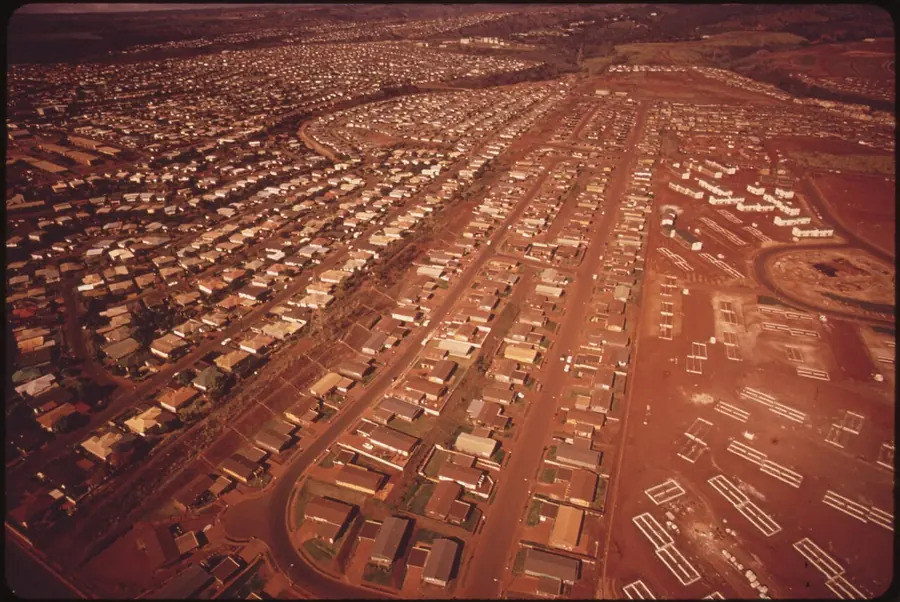
The Pearl City census area holds about 15,509 homes, and 72 percent of the occupied ones are lived in by their owners. Most are detached houses (63 percent), but 15 percent are attached, townhouse-style units that share a wall with a neighbor, and 8 percent sit in buildings of 20 or more units.
Each type changes the visit. In a detached house the shutoff and the drain are yours to reach. In a townhouse a leak can cross the shared wall, so the hose and valve get checked before anything is run. In a tower the building's own rules decide when and how the work happens.
Source: Census ACS 2020-2024 five-year estimates for the Pearl City CDP
Visits go everywhere inside the neighborhood board area, which runs from the gulch ridge on the east to Waiawa Stream and the H-2, and from the Koolau crest down to the harbor. Here is how its parts differ.
The finger of land between the lochs, mostly outside the Pearl Harbor landmark boundary, with houses right on the water.
The eastern edge toward Waimalu, where the town meets the 96701 ZIP and its condo stock.
Streets climbing toward the Koolau, largely the three-bedroom houses of the 1960s and 1970s.
The board line along this community at the top of the slope, with newer homes than the town below.
The western boundary by the stream and freeway, the short way toward Waipahu and Mililani.
Because the houses are older than the machines inside them by a wide margin. Under the Census ACS 2020-2024 estimate, 32 percent of local homes date from the 1970s, 27 percent from the 1960s and 18 percent from the 1980s, while only 6 percent were built in 2000 or later. A washer bought last year still drains into a standpipe set decades ago. Families are full too, at 2.95 people per home. And this is power-hungry country for fridges: 39 percent of Hawaii homes ran two or more refrigerators in 2020, against 34 percent nationally, and a carport fridge or chest freezer is a common sight on these streets.
| What differs | Owner-occupied | Rented |
|---|---|---|
| Median year built | 1972 | 1982 |
| People per home | 3.04 | 2.70 |
| Typical building | a detached house from the first building wave | more often a newer townhome or apartment |
| Who signs off on the cost | the household itself | the landlord or manager named in the lease |
| Older plumbing behind the machine | likely, so valves get a test turn | less likely, though shared walls need care |
The six machines island kitchens and laundry rooms lean on hardest, each with its own page on causes, parts and cost.
Warm sections, frost walls, leaks and noisy fans on top-freezer, side-by-side and built-in units.
More on Refrigerator Repair →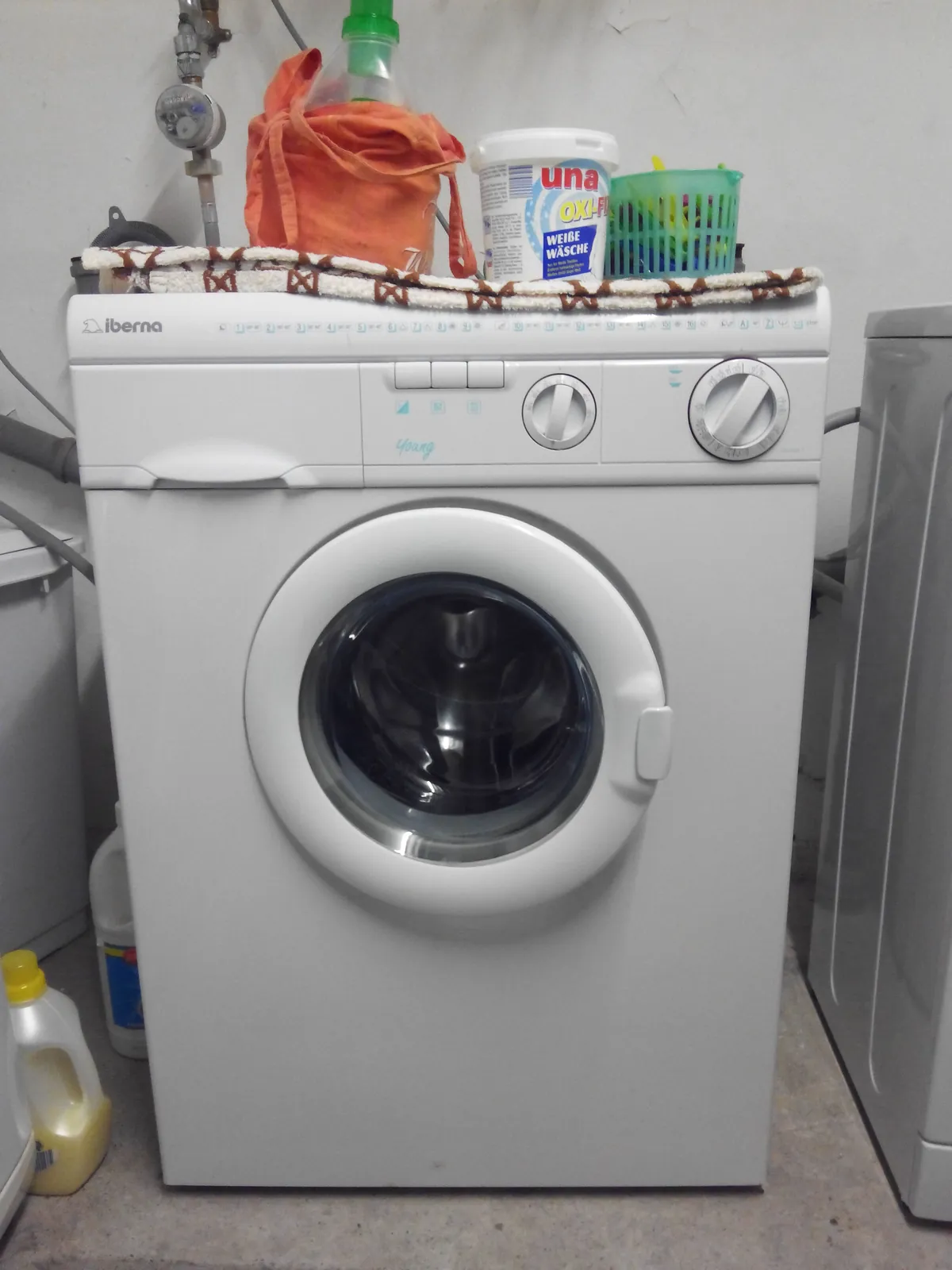
Top-load and front-load washers that will not drain, spin, fill or stop walking across the floor.
More on Washer Repair →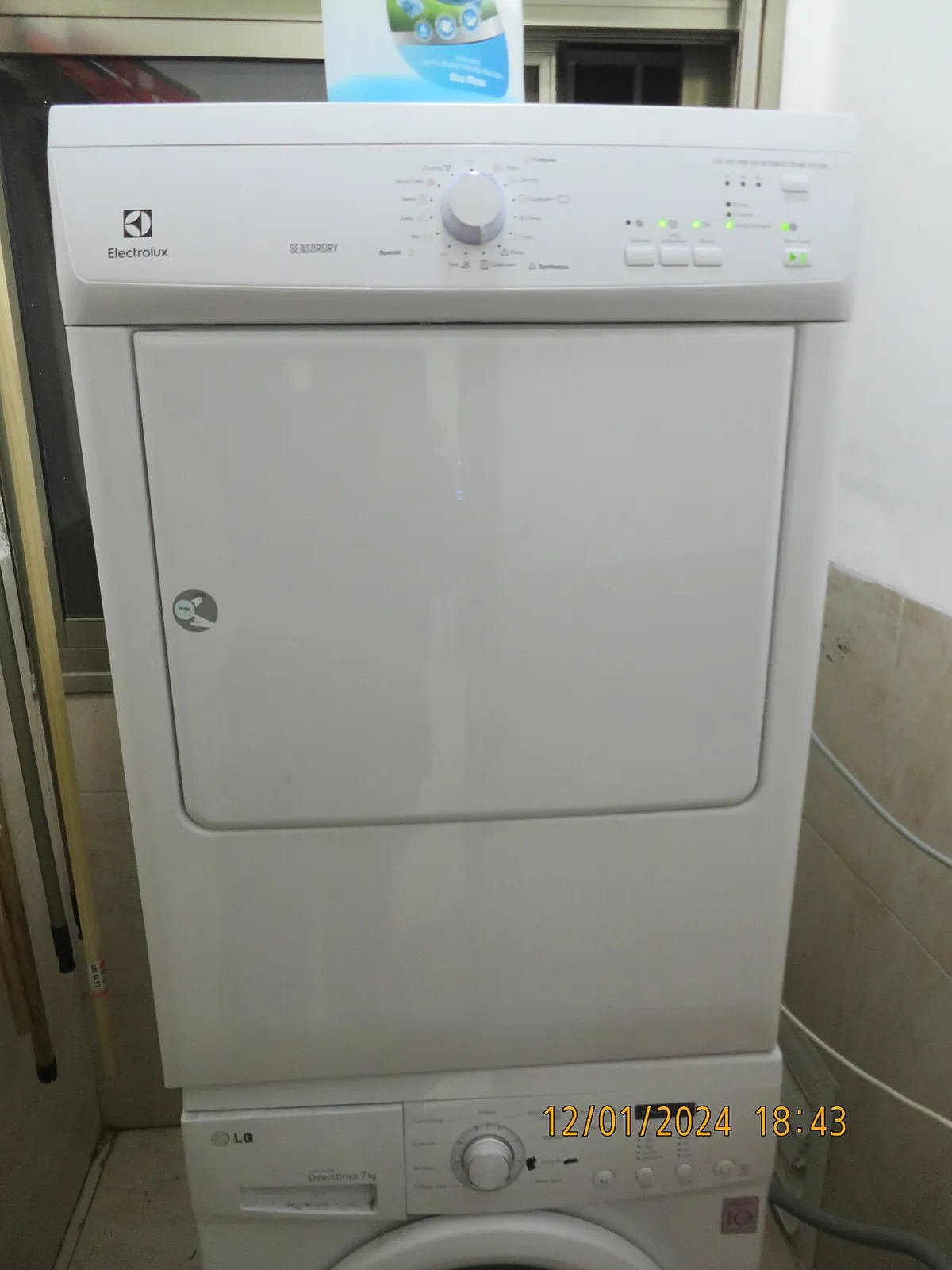
Gas and electric dryers that tumble cold, squeal, stop mid-cycle or never start at all.
More on Dryer Repair →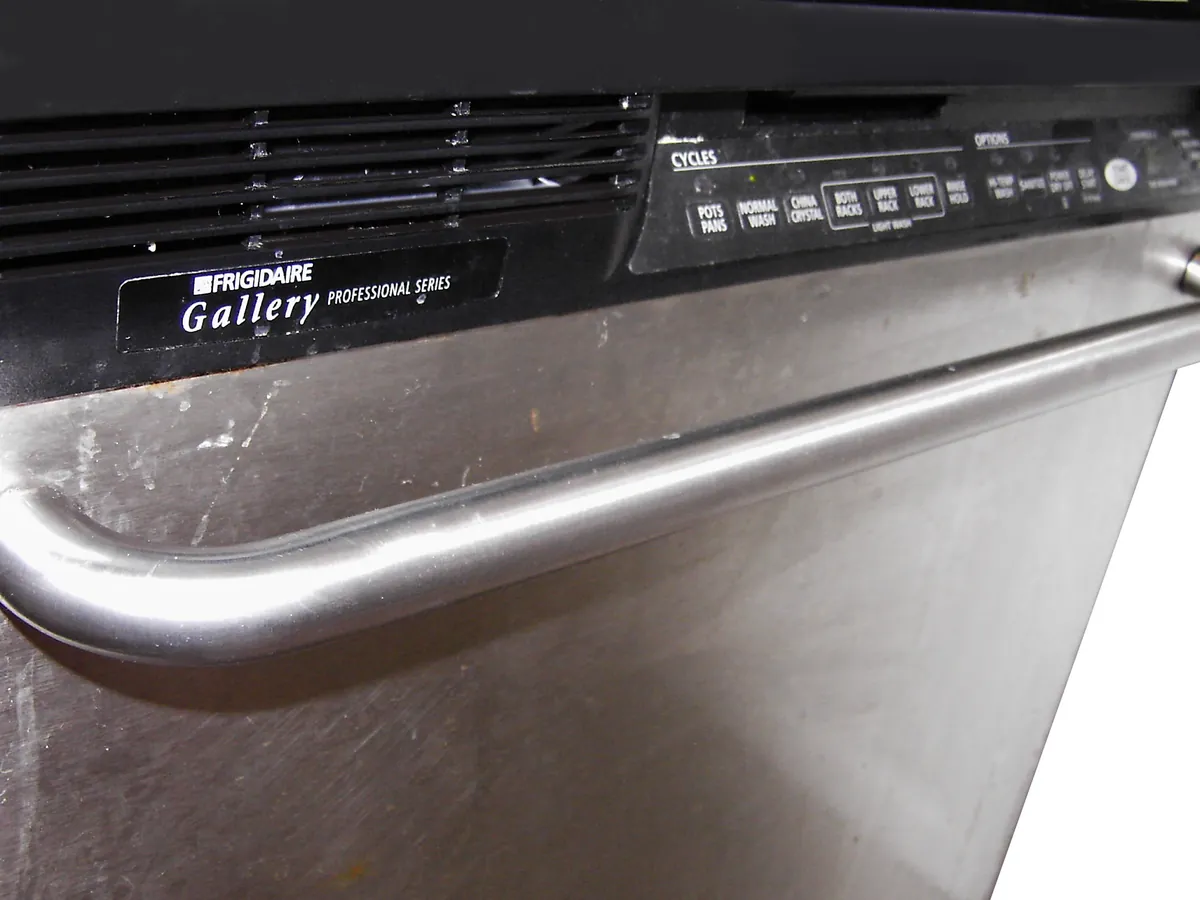
Standing water, cloudy glasses, leaks at the door and racks that come out wet.
More on Dishwasher Repair →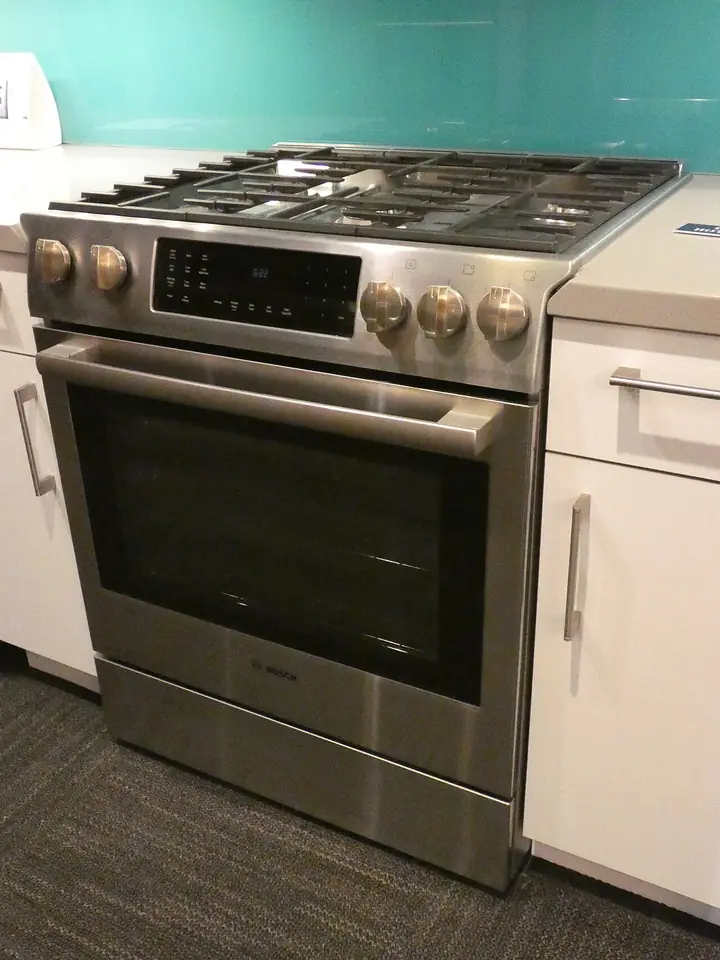
Ovens that run cold or hot, igniters that click without lighting, and dead surface burners.
More on Oven and Stove Repair →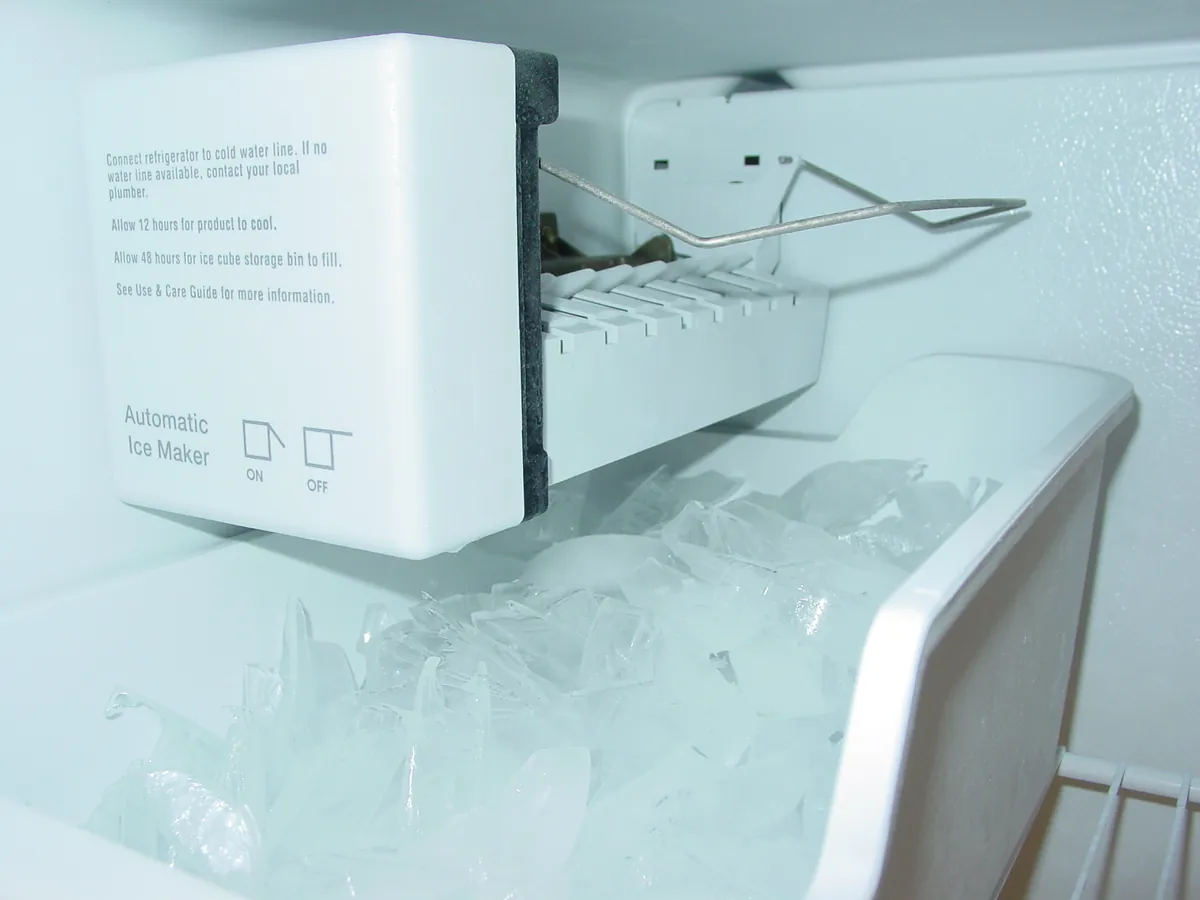
Built-in and freezer ice makers that stop filling, freeze up, leak or make hollow cubes.
More on Ice Maker Repair →Only about one Hawaii home in eight used central air conditioning in 2020, so most kitchens here breathe the outside air. Many fridges have small heaters around the door openings to keep that moisture off, and an Energy Saver switch turns them off. Whirlpool says to leave that setting off when beads form on the gaskets or the center seam, and GE adds that a torn gasket or too little air space around the cabinet can cause the same sweat. Check the switch and the gasket before booking a visit.
Aiea and Halawa lie just east, Waipahu just west, and Mililani a short climb up the H-2. Visits also reach Ewa Beach, Kapolei, Kaneohe, Kailua, Wahiawa and the North Shore.