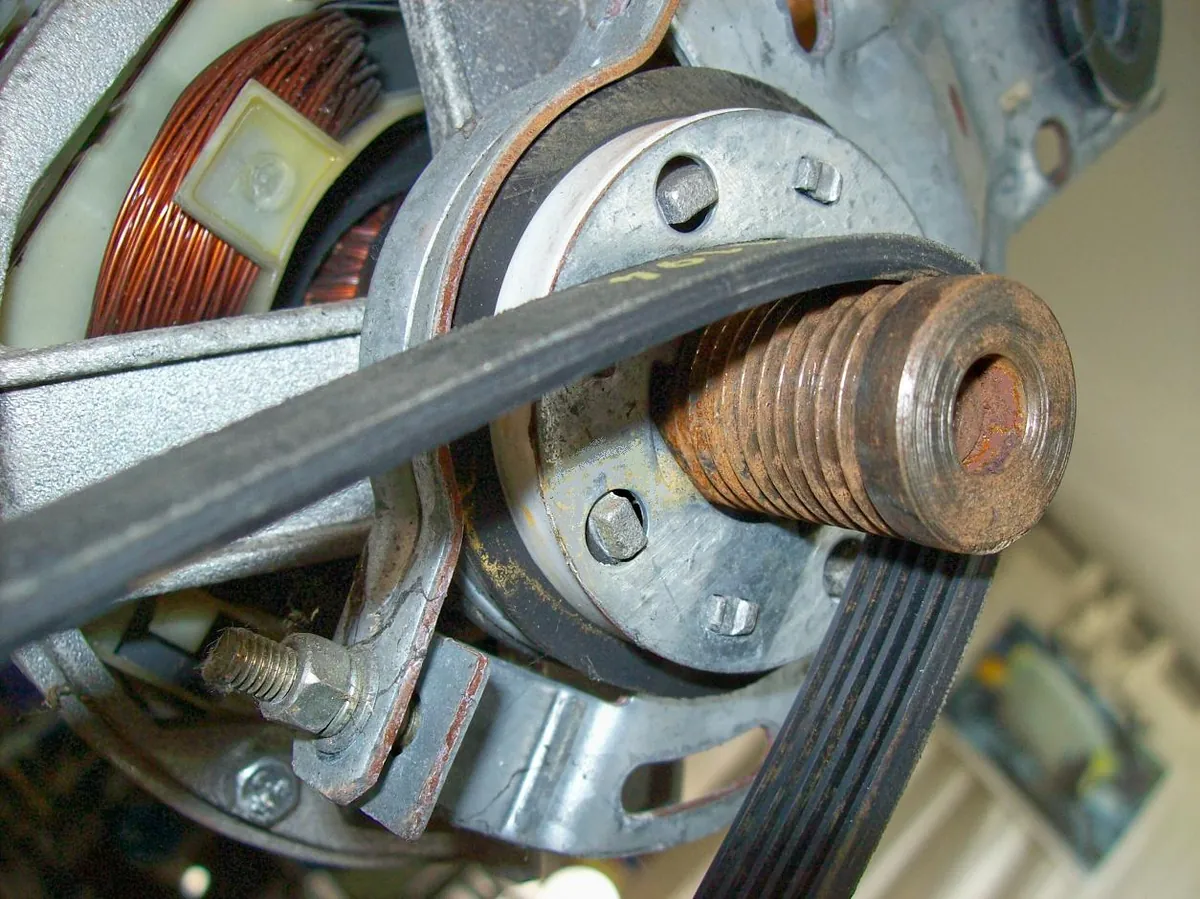
Dryer not heating: power, vent or part
An electric dryer runs on two breakers, one leg for the motor and one for the heater. Trip only one and the drum keeps turning while the air stays cold. Check that first in any Honolulu home.
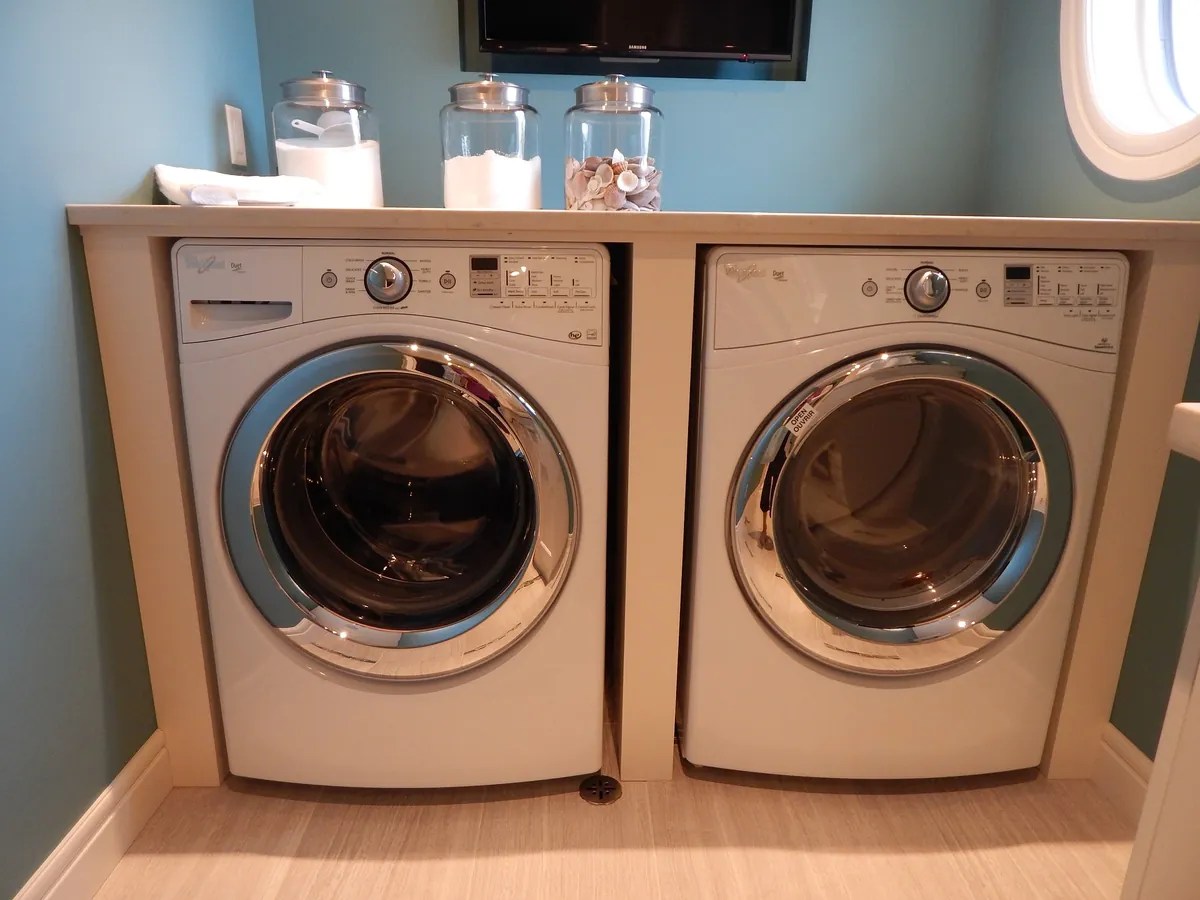
Why is my dryer not getting hot?
Rule out the cycle first: Air Only, Air Fluff and Eco Dry run with little or no heat. Then the power. One tripped leg of an electric dryer's two-breaker circuit gives a turning drum and cold air, so switch the breaker off for 30 seconds and back on to reset both legs. On a gas dryer, the shutoff, the LP tank and the utility supply come next. If heat comes and goes, or loads stay damp in warm air, look at the vent, because many dryers cut their own heat when exhaust cannot escape. A blown thermal fuse, a dead element or a failed igniter comes last. That is technician work.
Six ways a no-heat dryer shows itself
No heat looks different for each cause. Match your machine to one of these and name it when you call.
Turns, blows cold
Drum spins, panel works, air is cold. On electric models, suspect one tripped breaker leg.
Warm air, damp load
Some heat, but clothes need two cycles. Weak airflow at the outside hood points to lint in the vent.
Heat cycles off
CPSC saw dryers with the exhaust 75 to 100 percent blocked cycling on the high-limit. Blame the vent.
Ends early, still wet
A cycle that stops after a couple of minutes with soaking clothes often means dirty moisture sensor bars.
Gas, no flame
The glo-bar igniter should glow about 15 seconds after start. No glow, no gas flow.
Scorched wiring
Burned or frayed wires at the terminal block: the block and the cord both get replaced.
How does a technician find the missing heat?
The story
The technician starts with what you saw: which cycle, electric or gas, whether the breaker was reset, and which sign matched. Have the model number handy.
Vent first
Airflow is checked before parts. Samsung builds a vent blockage test into many panels; Whirlpool sells a vent test kit.
Heat circuit
Voltage at the outlet and terminal block, then the thermostats, thermal fuse, element or igniter, one at a time.
Both fixes
The failed heating part is replaced and the vent is judged with it, since restricted airflow is what pushes a Honolulu dryer onto its high-limit.
What each cause looks like, and who fixes it
| Cause | How you can tell | Owner check or technician job |
|---|---|---|
| No-heat cycle chosen | Air Only, Air Fluff or Eco Dry selected | Owner check: Whirlpool runs an empty heated timed cycle for 5 minutes; Samsung uses Time Dry with Eco Dry off for 30 seconds |
| One breaker leg tripped | Electric model: drum turns, panel lit, air cold | Owner check: breaker off for 30 seconds, then back on |
| Low voltage | Panel and motor fine, heater stays cold | Technician job: measured at the outlet |
| Gas supply | Gas model turns but never heats; LP tank empty or laundry piled against the cabinet | Owner check: an open shutoff handle lines up with the pipe; if it is closed, let a gas professional reopen it |
| Choked vent | Warm air, damp clothes; outside hood weaker than a hair dryer on high after 5 to 10 minutes | Owner check at the hood; vent cleaning every one to two years (Whirlpool) |
| Fuse, element or igniter | Vent tests clear and there is still no heat | Technician job |
Electric dryers and shared vents in Honolulu buildings
Most dryers here are electric: in EIA's 2020 survey, 72 percent of Hawaii homes were all-electric against 25 percent nationally. Stacked laundry is the other local factor. In urban Honolulu, 48 percent of units sit in buildings of 20 or more units, and where one exhaust riser serves several floors, a blockage past your own duct can still make your dryer cut its heat. A shared riser is usually the association's under HRS 514B, but your declaration decides.