
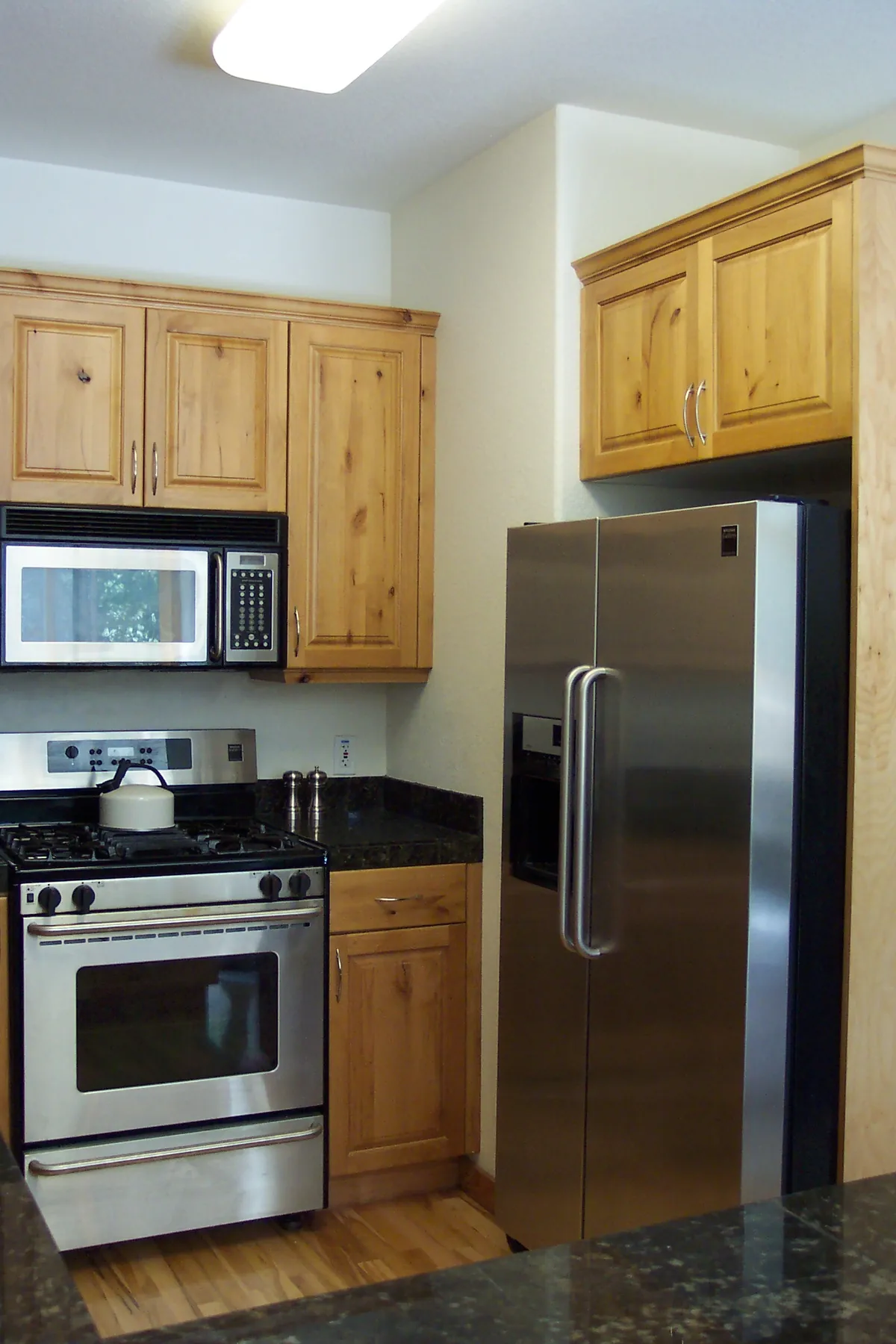
Refrigerator Repair
Warm sections, frost walls, leaks and noisy fans on top-freezer, side-by-side and built-in units.
More on Refrigerator Repair →Hawaii had 1,644 condominium associations registered in fiscal 2023, covering 167,412 units. Repairs in those homes run on building rules as much as on parts: who owns the vent, who shuts the water, when work may start.
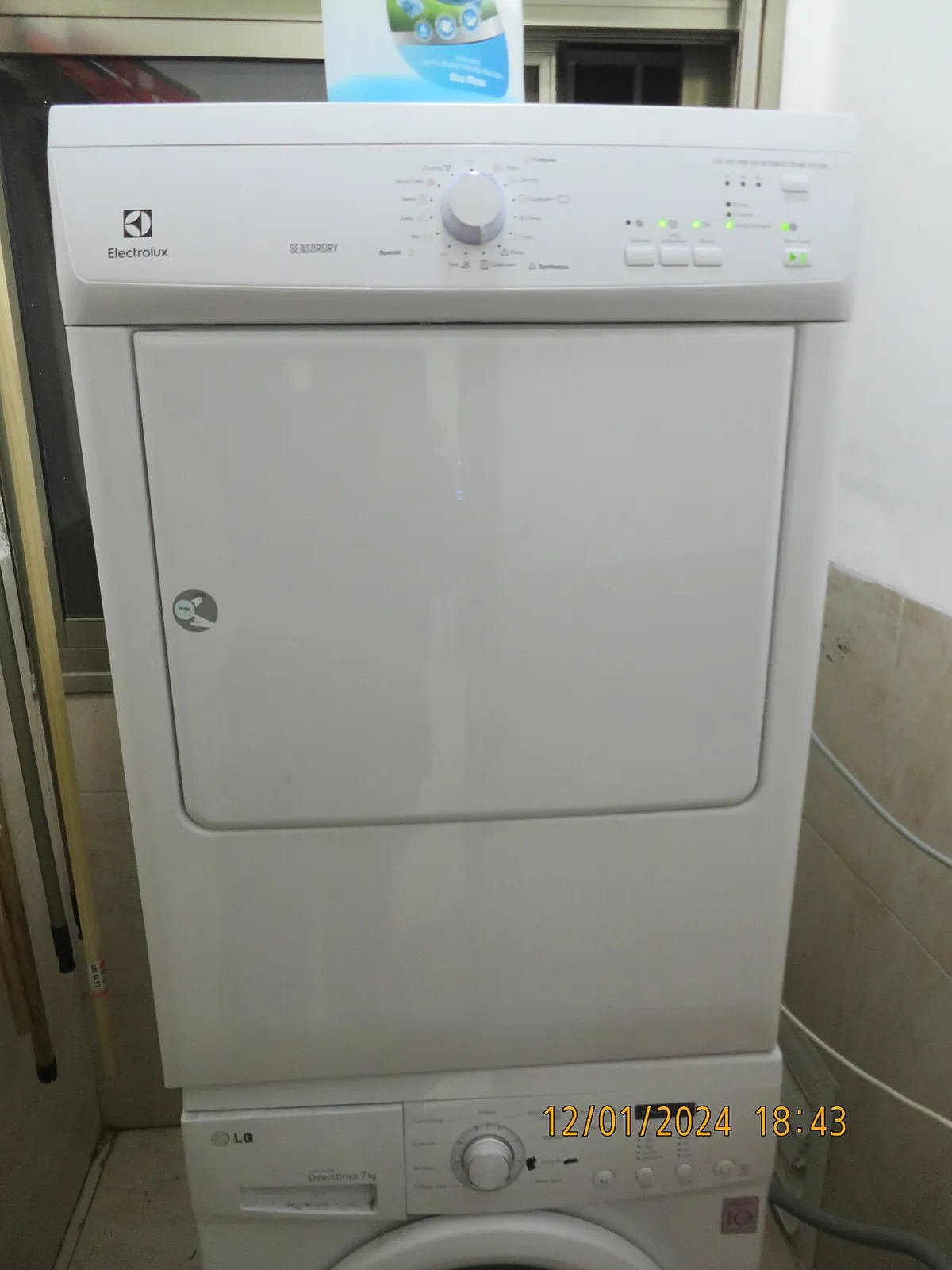
A condo repair has neighbors on every side. A leak runs downhill into someone else's ceiling. A dryer vent may belong to the whole building. So the visit is planned around your house rules from the first call: work hours, building access, where the water shuts off, and which parts are yours to fix. Nothing about the association's side gets promised.
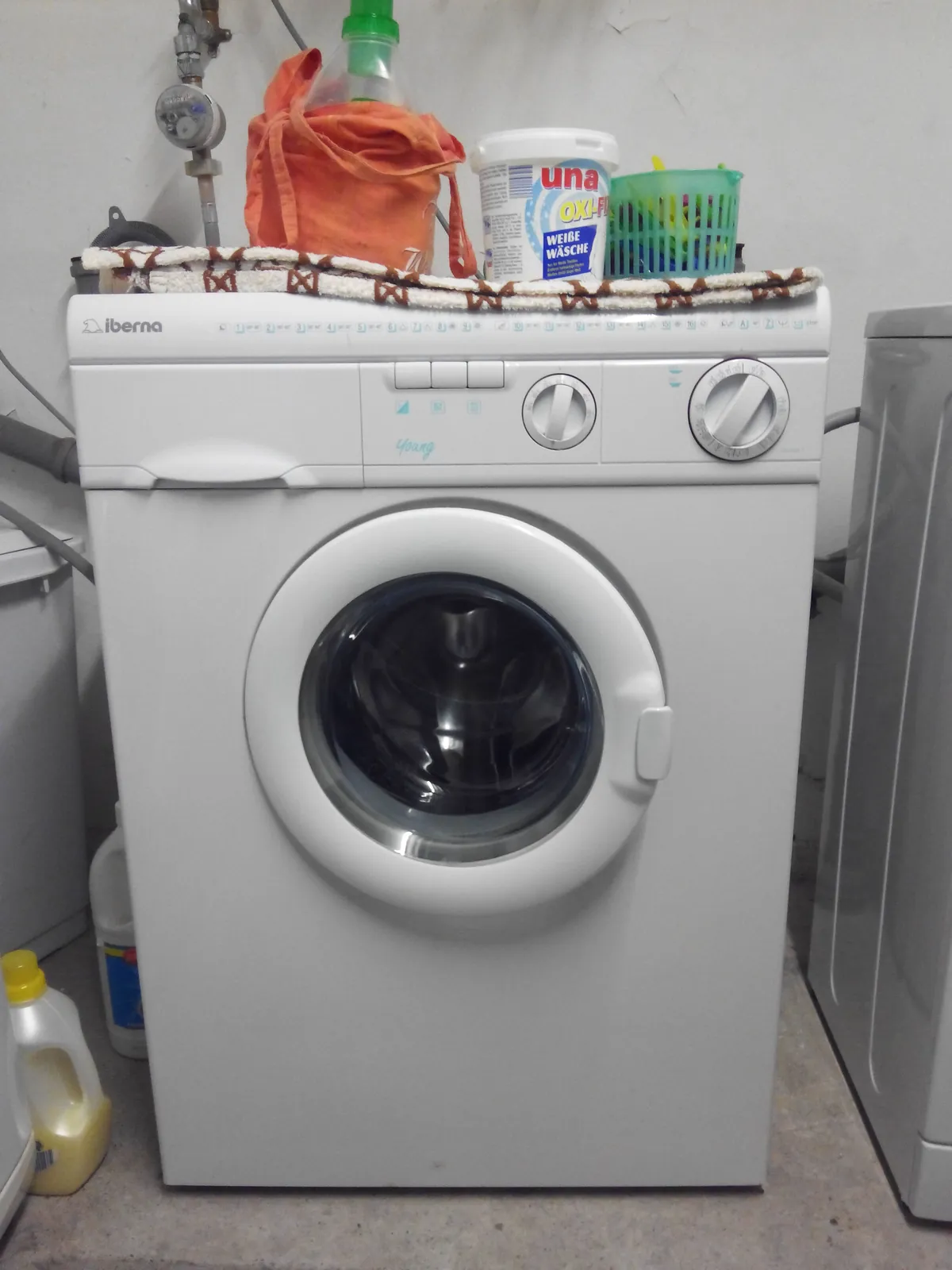
In urban Honolulu, about half of all homes sit in buildings of 20 or more units, and about half are rented, so a broken washer is often a building matter as well as a household one. Stacked laundry in a closet is the norm. Many towers run one shared exhaust riser for dryers on several floors, and under HRS 514B the shared part of a duct is usually a common element, while the branch serving one apartment belongs to that unit. House rules set contractor access and work hours. A repair that ignores any of that can stall at the lobby desk or end in a leak through the ceiling below.
How HRS 514B usually splits responsibility, unless your declaration says otherwise. Your own declaration and house rules always come first.
| Item | Usually treated as | Law cited | What to check | Why it matters |
|---|---|---|---|---|
| Shared dryer exhaust riser | Common element | HRS 514B-35(2) | Declaration and vent-cleaning schedule | A clogged riser slows every dryer on it |
| Duct branch serving one unit | That unit's limited common element | HRS 514B-35(2) | Who may open or replace it | Often the part your own dryer clogs |
| Lanai, exterior doors and windows | Limited common element of the unit | HRS 514B-35(4) | Rules for anything placed on the lanai | Salt air and sun hit lanai appliances hardest |
| Changes inside the unit | Nonmaterial: board approval only | HRS 514B-140(c) | Whether a vent, line or circuit change counts | The board shall not unreasonably withhold it |
| Building water shutoff | Set by each building | Declaration and house rules | Notice periods and who may close a riser | No general rule exists to fall back on |
Send the model numbers plus your building's contractor hours, parking and access rules, so the visit fits them rather than fighting them.
Before any water line is opened, the unit's own valve is found. If only a building riser shuts it, management is involved first.
Stacked pairs are tested in place where possible. You get a written estimate, and it says if the fault sits on the association's side.
The part is fitted, the machine runs a test cycle with an eye on every connection, and the closet is left as it was found.
| What matters | Compact stacked pair | Full-size set |
|---|---|---|
| Floor space | One closet footprint; Bosch markets 24-inch pairs for condos | Two footprints, side by side |
| Drain height | GE compacts pump up to 5 feet | Most GE full-size washers pump up to 8 feet |
| Venting | Ventless heat pump dryers need a drain or an emptied tank | Usually vented, often into a shared riser |
| Power | Bosch says its pairs can share one outlet | An electric dryer needs its own 240-volt circuit |
| Repair access | Tight closet; the dryer sits above the washer | Each machine pulls out on its own |
Sources: DBEDT Data Book 2024, Table 21.10; ACS 2019-2023 5-year CDP workbook; USFA topical fire report on clothes dryers
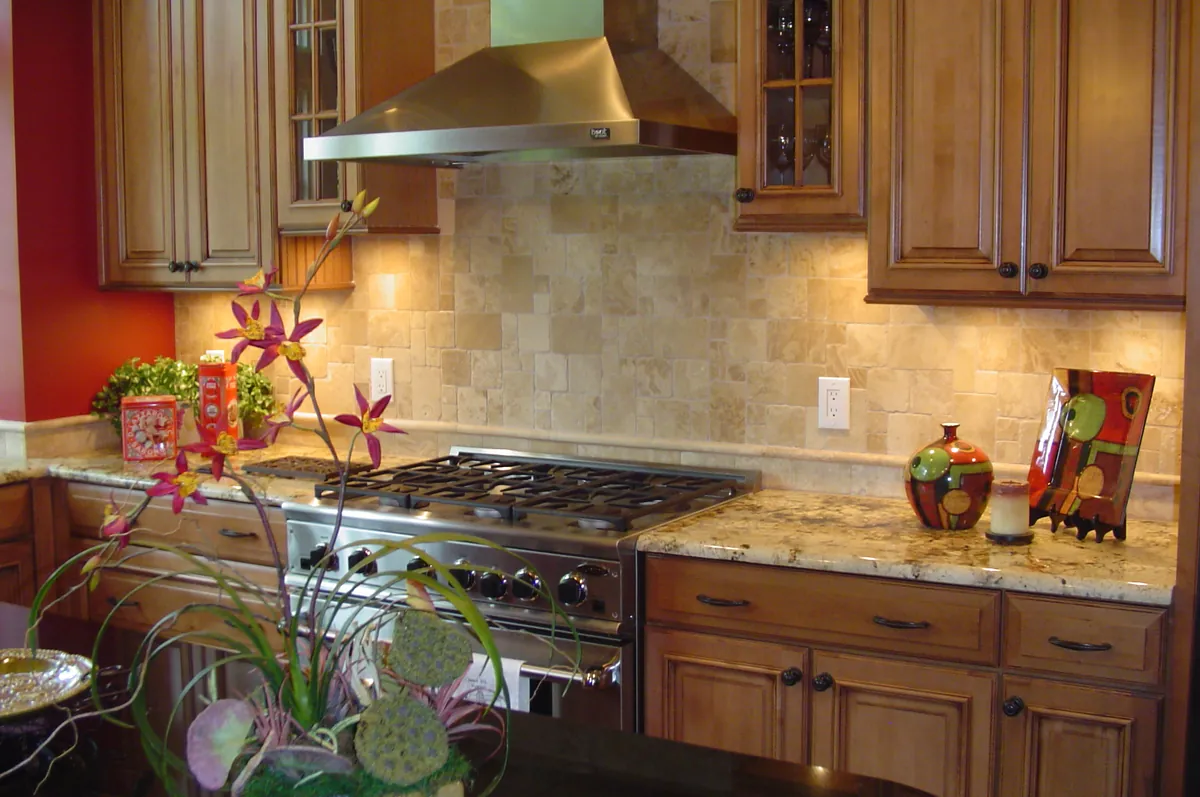
The six machines island kitchens and laundry rooms lean on hardest, each with its own page on causes, parts and cost.
Warm sections, frost walls, leaks and noisy fans on top-freezer, side-by-side and built-in units.
More on Refrigerator Repair →Top-load and front-load washers that will not drain, spin, fill or stop walking across the floor.
More on Washer Repair →Gas and electric dryers that tumble cold, squeal, stop mid-cycle or never start at all.
More on Dryer Repair →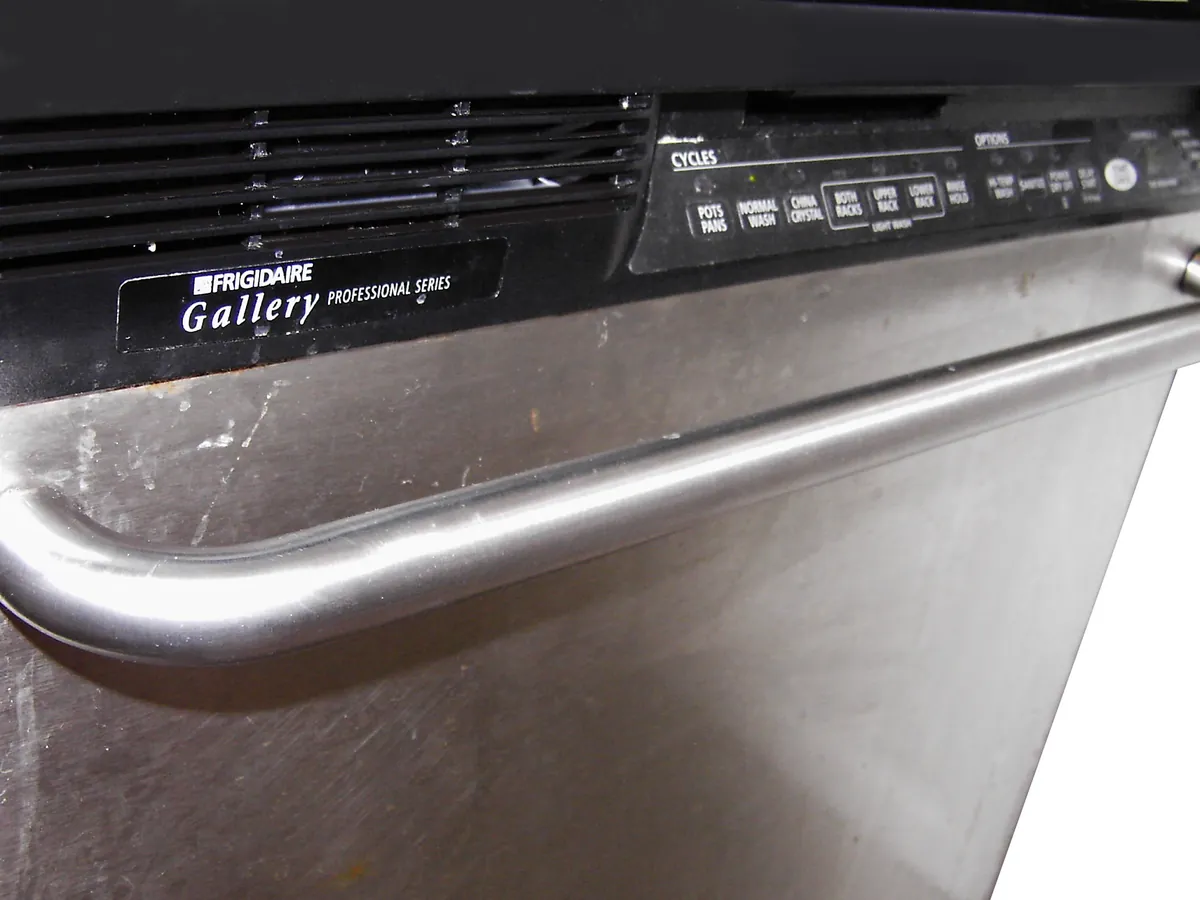
Standing water, cloudy glasses, leaks at the door and racks that come out wet.
More on Dishwasher Repair →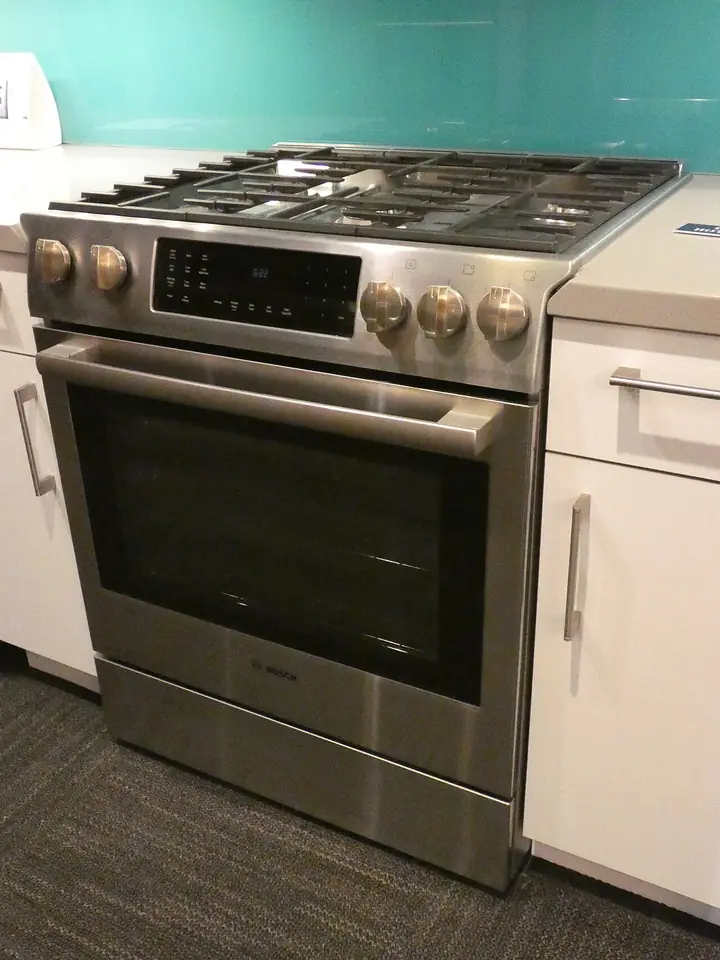
Ovens that run cold or hot, igniters that click without lighting, and dead surface burners.
More on Oven and Stove Repair →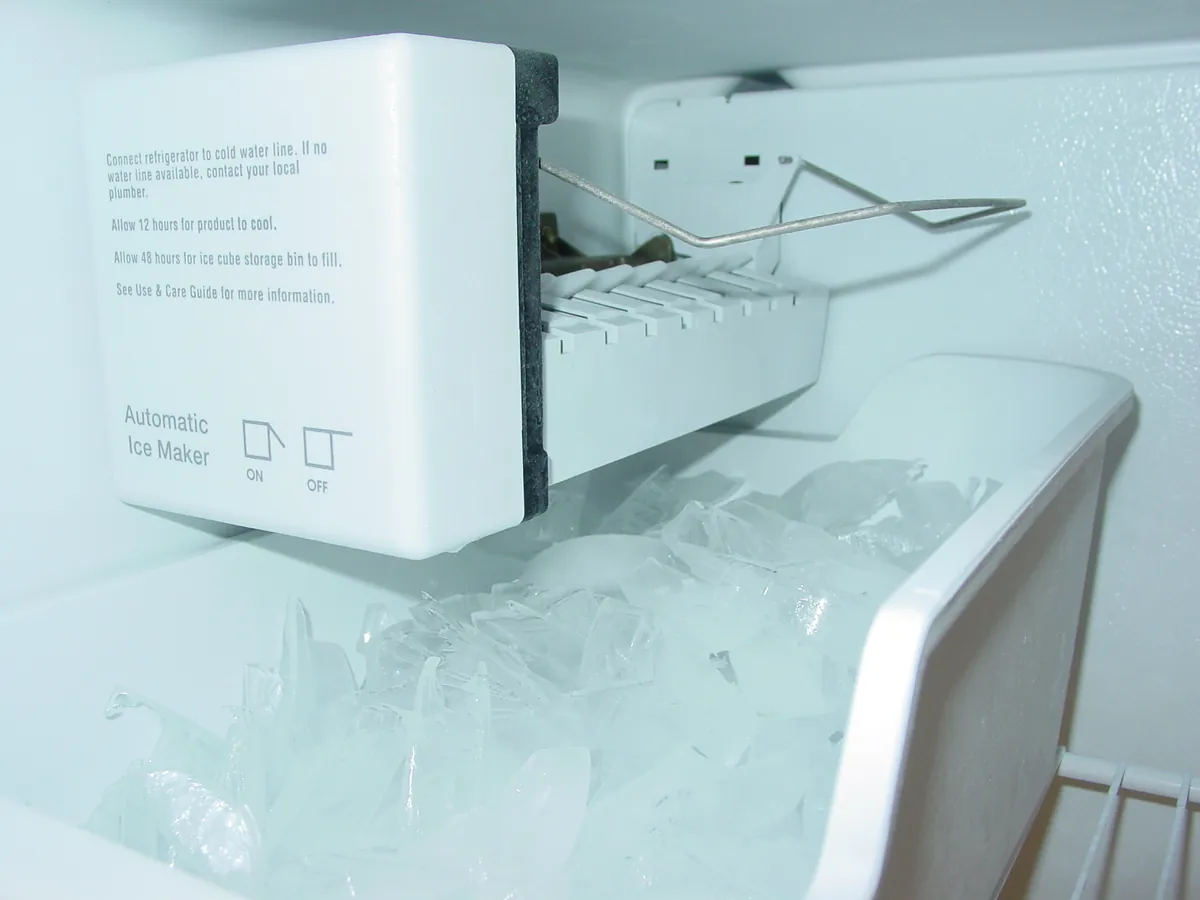
Built-in and freezer ice makers that stop filling, freeze up, leak or make hollow cubes.
More on Ice Maker Repair →