
Dishes still dirty after the wash?
Hold a candy or meat thermometer in a glass under the hot tap nearest the dishwasher and wait until the number stops rising, a minute or more. Below 120 degrees, the problem in your Honolulu kitchen is the water, not the machine.
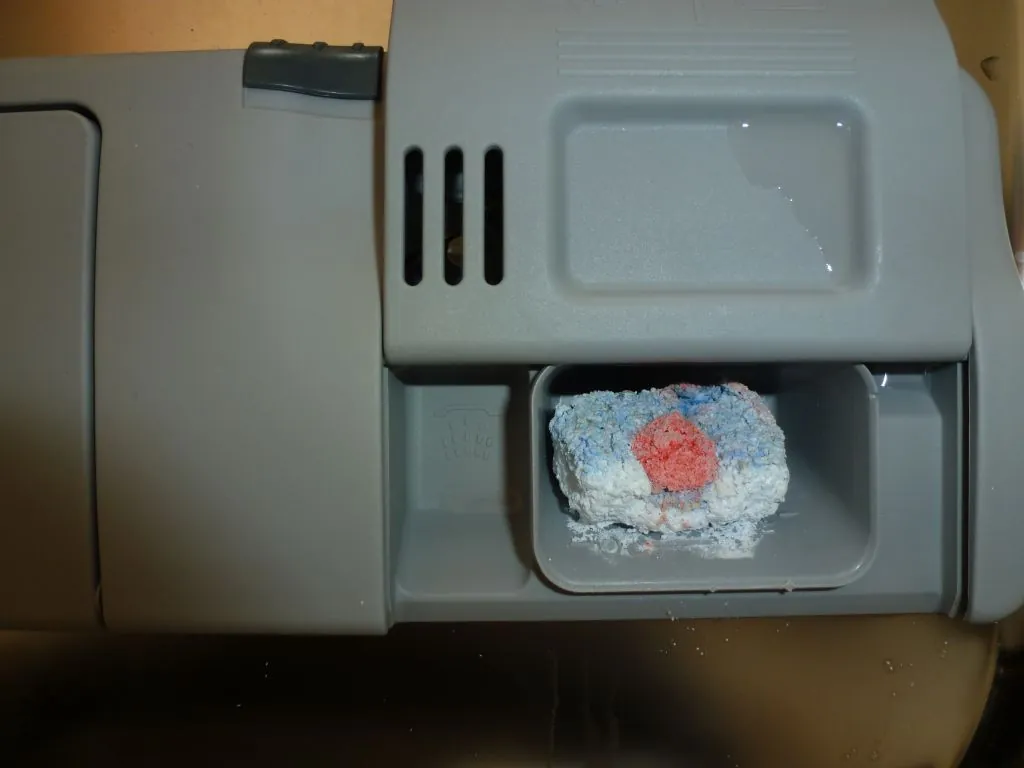
Why is my dishwasher not cleaning dishes?
A dishwasher that stops cleaning is most often fed water that is too cool, since GE says supply water must reach at least 120 degrees F and its machines cannot heat a cold supply up to washing temperature. A clogged filter or spray arm holes plugged with debris come next. Then installation faults: a connection to the cold line, a machine that is not level, or a drain hose run too high. A short or light cycle may not shift heavy soil. White film is a separate case. If lemon juice wipes it off, it is mineral; if not, the glass is etched for good. Only then blame a part.
Wash numbers from the makers
Sources: GE Appliances dishwasher support pages; Samsung dishwasher troubleshooting
What leaves dishes half washed?
| Cause | How you can tell | Owner check or technician job |
|---|---|---|
| Water too cool | Thermometer reads under 120 F; worse after showers or a bath fill | Owner check: run the nearest hot tap first and start later |
| Clogged filter | Grit and food specks on top of plates | Owner check: rinse the removable fine filter |
| Plugged spray arm holes | One rack or one area always dirty | Owner check: clear the holes with a toothpick, paper clip or tweezers |
| Install fault | Poor results from the first week; cold water at the inlet | Technician job to move the line, relevel or reroute the drain hose |
| Mineral film or etching | White haze on glasses | Owner check: the lemon juice test; etching cannot be reversed |
| A fault inside the machine | Everything above is right and results stay poor | Technician job, as GE and Samsung both advise |
What the leftovers on your plates mean
Look at a few glasses and plates before you change detergent. The kind of mess left behind usually tells you which check to run first, in Honolulu or anywhere else.
Gritty specks
Fine grit landing on clean dishes points to a filter overdue for rinsing. GE says monthly; Bosch says every few months.
One dirty zone
If the same corner or rack stays soiled, a spray arm with blocked holes is not reaching it.
Film that wipes off
A white coat that lemon juice or white vinegar removes is hard-water mineral, not damage.
Haze that stays
Cloudiness that will not wipe away is etching, from too much detergent, very hot water or over-softened water.
Baked-on food
Heavy soil after a quick or light cycle usually means the cycle was too gentle for the load.
Poor from day one
A new machine that never washed well may be on the cold line, out of level or draining too high.
How does a technician find a weak wash?
Inlet heat
On a Honolulu visit the supply temperature is measured at the sink first, because cool water explains more poor washes than any broken part does.
Filter, arms
The fine filter is cleaned and each spray arm is pulled, cleared and spun by hand to confirm it turns freely and every hole is open.
Install review
Hot or cold line, level, supply line size and the height of the drain hose run are compared against the maker's installation numbers.
Test wash
A full cycle runs on a soiled load. If the wash still fails, the pump, heater and controls are tested in your Honolulu kitchen.