
Dishwasher not drying? Some of it is normal
Glasses dry but plastic tubs still dripping? That is expected: plastic holds less heat, so it dries poorly in every machine. If everything comes out soaked, though, rinse aid, the cycle setting or the heater is the place to look in a Honolulu kitchen.
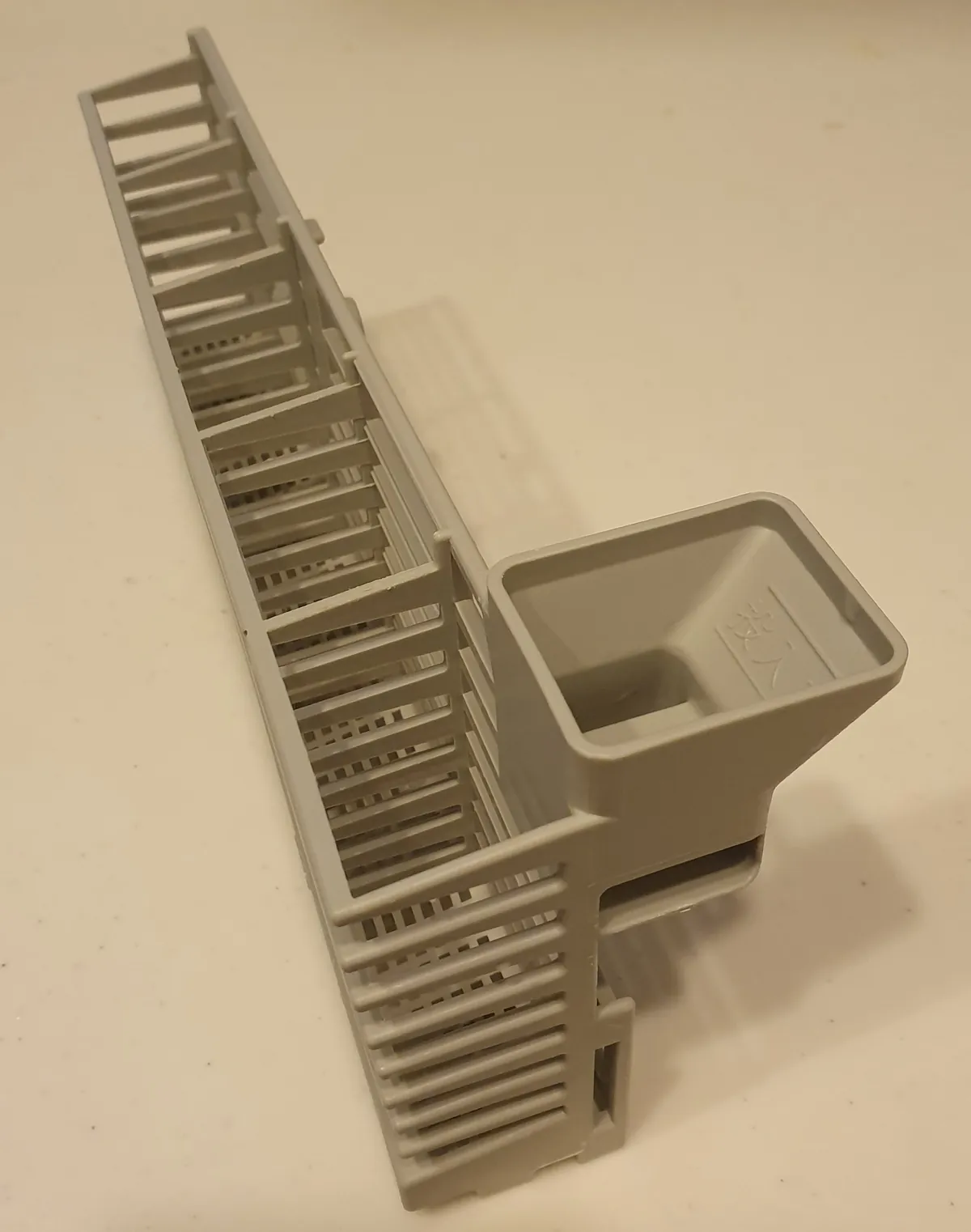
Why is my dishwasher not drying dishes?
An empty rinse aid dispenser is the first thing to check when a dishwasher stops drying, because rinse aid makes water sheet off instead of sitting in beads. The cycle comes next: eco and quick settings use less heat, while Heated Dry, an extended dry option or sanitize add it back. Lukewarm supply water also hurts, since GE puts the best drying range at 120 to 140 degrees F at the inlet. Some wetness is simply normal: a little water in the tub bottom, damp plastics, and drips from the top rack onto the bottom one. When dishes come out cool and wet on a heated cycle, the heater or its controls have likely failed.
How is a drying fault confirmed?
Settings
On a Honolulu call the technician looks at the rinse aid level and the cycle and dry options you use, since an eco cycle with no heated dry explains many calls.
Inlet water
Water at the nearest tap in the Honolulu kitchen is checked for temperature. Drying suffers when the supply arrives below about 120 degrees F at the inlet.
Heat test
A heated cycle runs. Cycle length, how warm the dishes feel at the end and any sanitize light show whether the element reached temperature.
Circuit
If the heat never arrives, the element, its wiring and the control are tested, and any breaker trips or codes are traced in your Honolulu home.
Which cause fits your wet load?
| Cause | How you can tell | Owner check or technician job |
|---|---|---|
| Rinse aid empty | Beads of water on glasses; the indicator looks clear | Owner check: refill the dispenser |
| Low-heat cycle | Eco or quick cycle chosen, no heated dry option | Owner check: add Heated Dry, extended dry or sanitize |
| Cool supply water | Kitchen tap takes a long time to run hot | Owner check: run the nearest tap before starting |
| Normal limits | Only plastics, cups with hollow bottoms or the lower rack are wet | Owner check: unload the bottom rack first |
| Heater not heating | Dishes cool at the end of a heated cycle; a blinking sanitize light | Technician job |
| Breaker trips or error codes | Power cuts out during the dry phase, or a code shows | Technician job |
Drying numbers from the makers
Sources: Whirlpool dishwasher drying guides; GE Appliances poor drying support page
A wet load is rarely a broken dishwasher. Most of the time the rinse aid ran out or the cycle skipped the heat. We would rather you try those two first and call us only when the dishes come out cool on a heated cycle.