
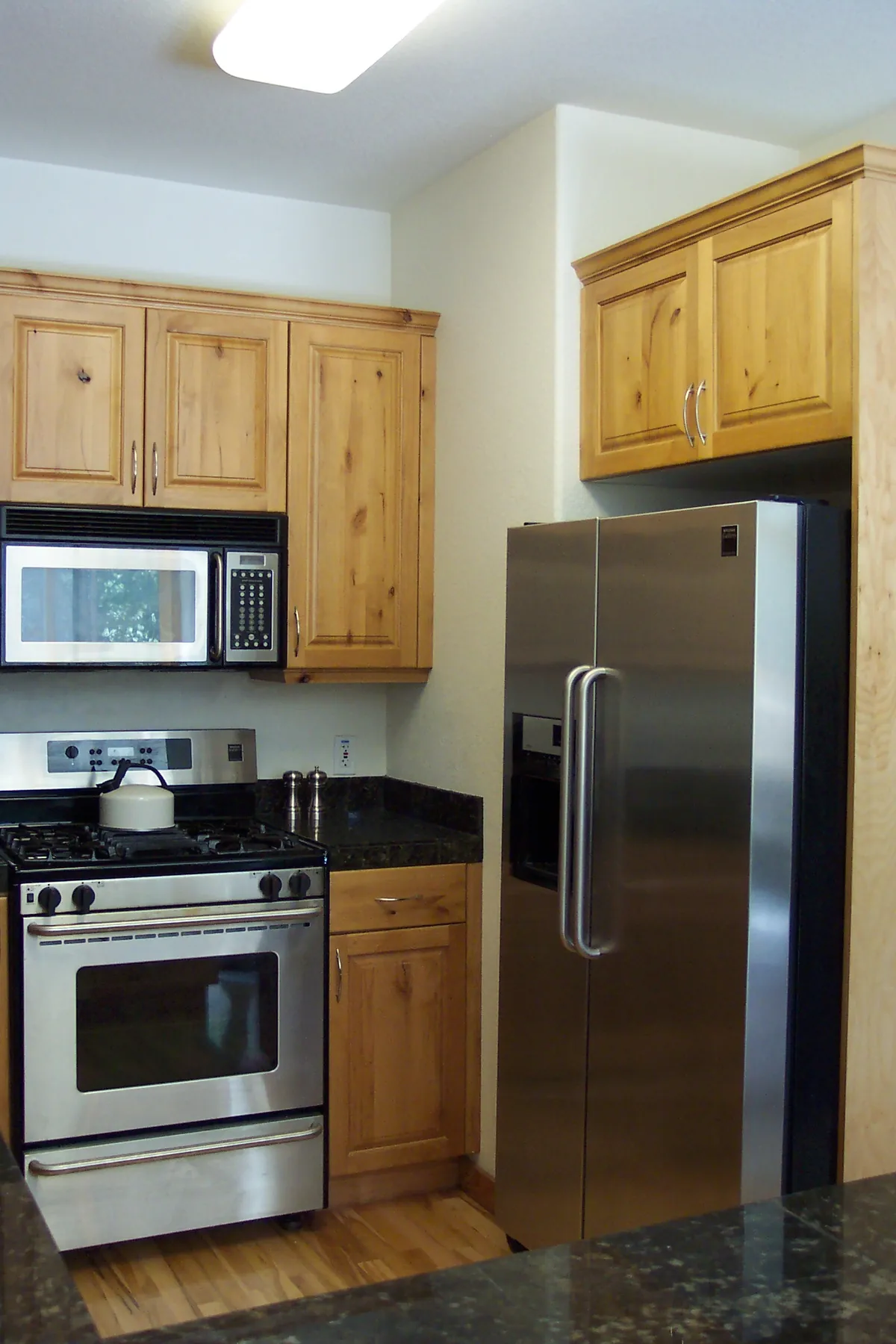
Refrigerator Repair
Warm sections, frost walls, leaks and noisy fans on top-freezer, side-by-side and built-in units.
More on Refrigerator Repair →University of Hawaii engineers sampled airborne salt on the roof beams of 126 bus shelters across Oahu from October 2010 to March 2011. The heaviest deposits sat on the windward and leeward coasts, the lightest in central Oahu.
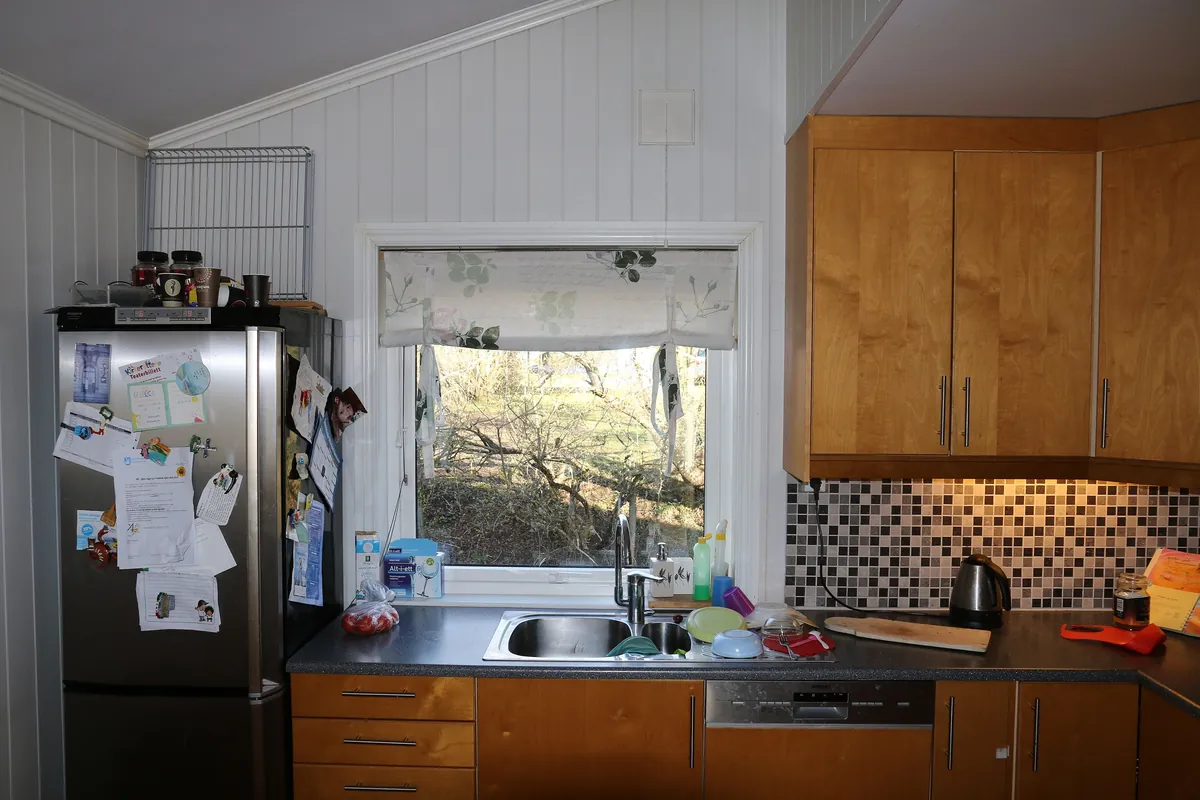
Because rust needs salt plus moisture, and homes near the ocean get plenty of both. The director of the University of Hawaii corrosion lab sums it up: corrosion cannot run without moisture, dust pulls moisture onto metal, and indoor humidity under 60 percent slows the process. Lowland humidity on the windward side typically runs 70 to 80 percent. Only about one Hawaii home in eight uses central air, so many kitchens and laundry rooms breathe the same damp, salty air that blows through the jalousies. A fridge in a Honolulu walk-up and a washer on a Kailua lanai live in that air all year, with no dry season to reset.
Salt air reaches every shore, but the UH study found it heaviest on the windward and leeward coasts and lightest on the central plateau, with Honolulu's south shore in between.
| Part of the island | Salt measured | Lowland humidity | Places | What it means |
|---|---|---|---|---|
| Windward coast | Among the highest | About 70 to 80 percent | Kailua, Kaneohe, Waimanalo | Trade winds push spray ashore most of the year |
| Leeward coast | Among the highest | About 60 to 70 percent | Waianae, Maili, Makaha | Kona winds from the south-southwest carry it in |
| South shore | Lower | About 60 to 70 percent | Waikiki, Kakaako, Hawaii Kai | Reefs seem to calm the surf and cut deposition |
| North Shore | Lower | Not separately sourced | Haleiwa, Waialua, Pupukea | Still coastal, still worth wiping coils and cabinets |
| Central plateau | Lowest on the island | Wetter stations, upland | Mililani, Wahiawa | Least salt, though moisture still matters |
No. Sub-Zero says stainless resists rust but is not immune, and names high salinity among the conditions that defeat it; for units exposed to salt water in coastal or tropical places, it says some rust over time may not be preventable. Sub-Zero puts one outdoor undercounter model through salt spray booth testing. An indoor kitchen fridge is not built or tested that way, so a fridge or wine cooler on an open lanai near the water is about the hardest spot an appliance can sit.
Rust is rarely the reason a machine stops. It is more often the reason a screw will not turn or a cabinet base looks worse every year. So the visit fixes the fault you called about, then points out where salt and damp are working on the rest of the unit. Nobody can tell you how many years salt air takes off a dryer cabinet in Kailua. No published source measures it.
Sources: UH Manoa CEE report UHM/CEE/11-02 (distance is our reading of its fitted line); UH Malamalama corrosion article; EIA RECS 2020
Tell us the symptom, where the unit stands (kitchen, garage, lanai) and how close you are to the water, in Honolulu or on the coasts. Photos of any rust help.
The technician finds the fault first, then checks fasteners, coils, the cabinet base and any spot where two different metals meet.
You get a written estimate that separates the repair you need now from wear worth watching, so nothing extra is slipped in.
The part is replaced and the unit tested. You also get plain notes on placement and cleaning that slow the next round of rust.
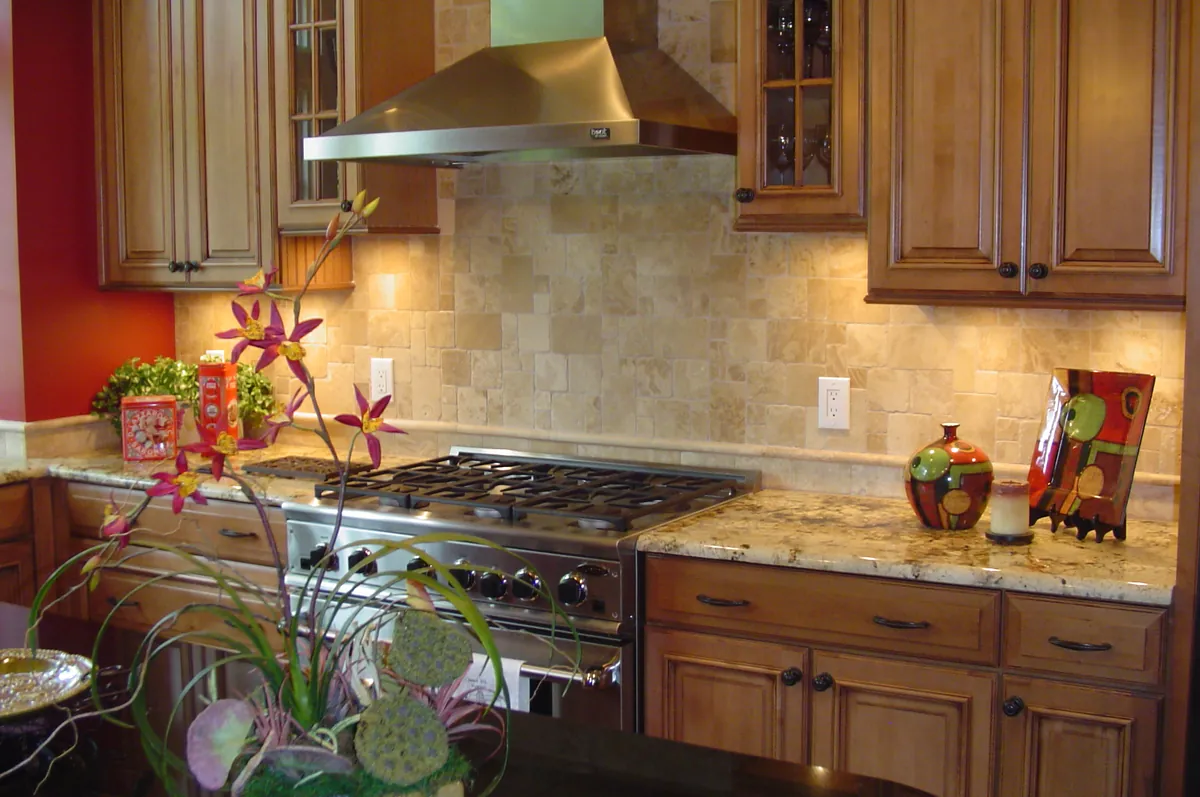
The six machines island kitchens and laundry rooms lean on hardest, each with its own page on causes, parts and cost.
Warm sections, frost walls, leaks and noisy fans on top-freezer, side-by-side and built-in units.
More on Refrigerator Repair →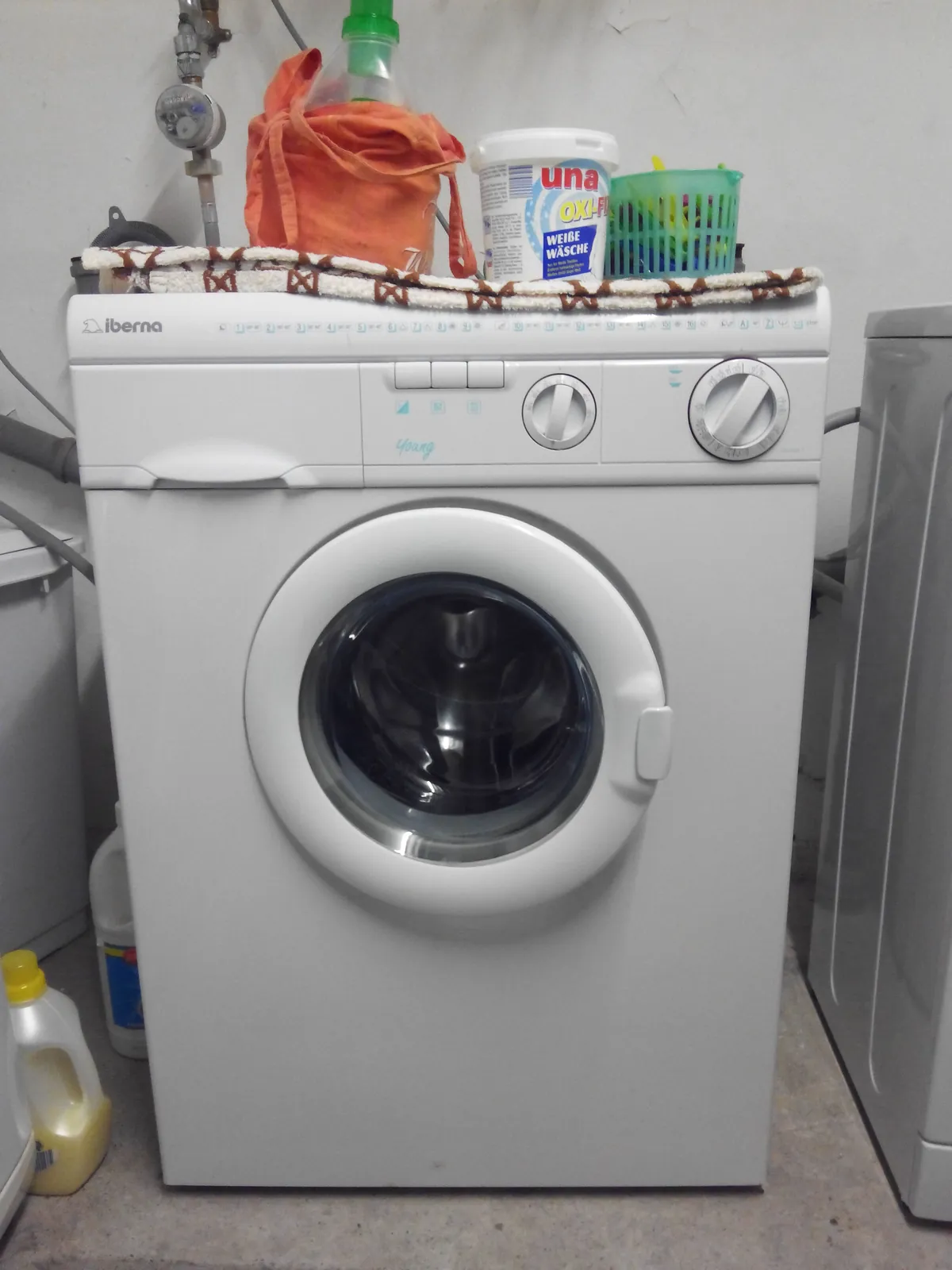
Top-load and front-load washers that will not drain, spin, fill or stop walking across the floor.
More on Washer Repair →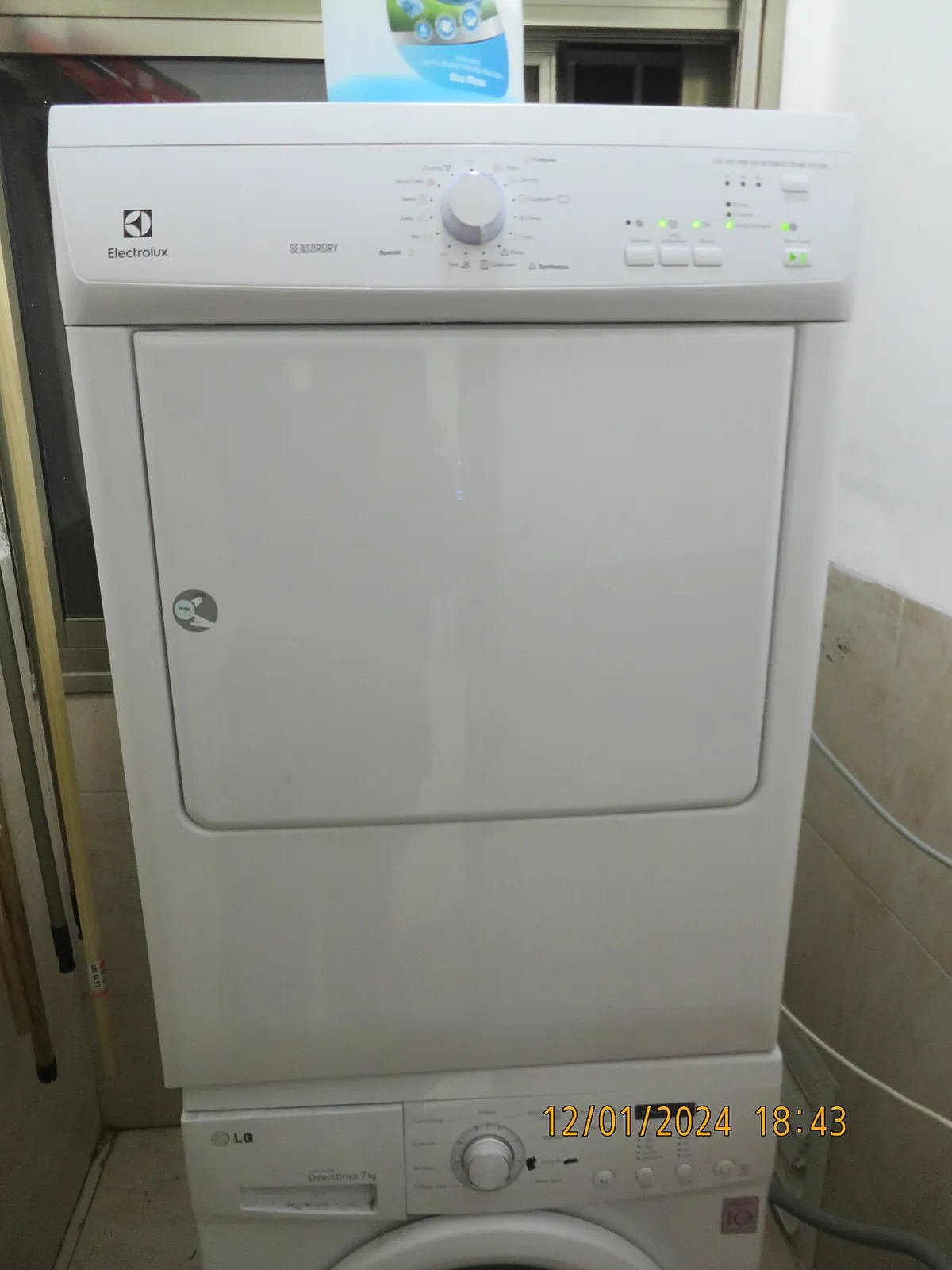
Gas and electric dryers that tumble cold, squeal, stop mid-cycle or never start at all.
More on Dryer Repair →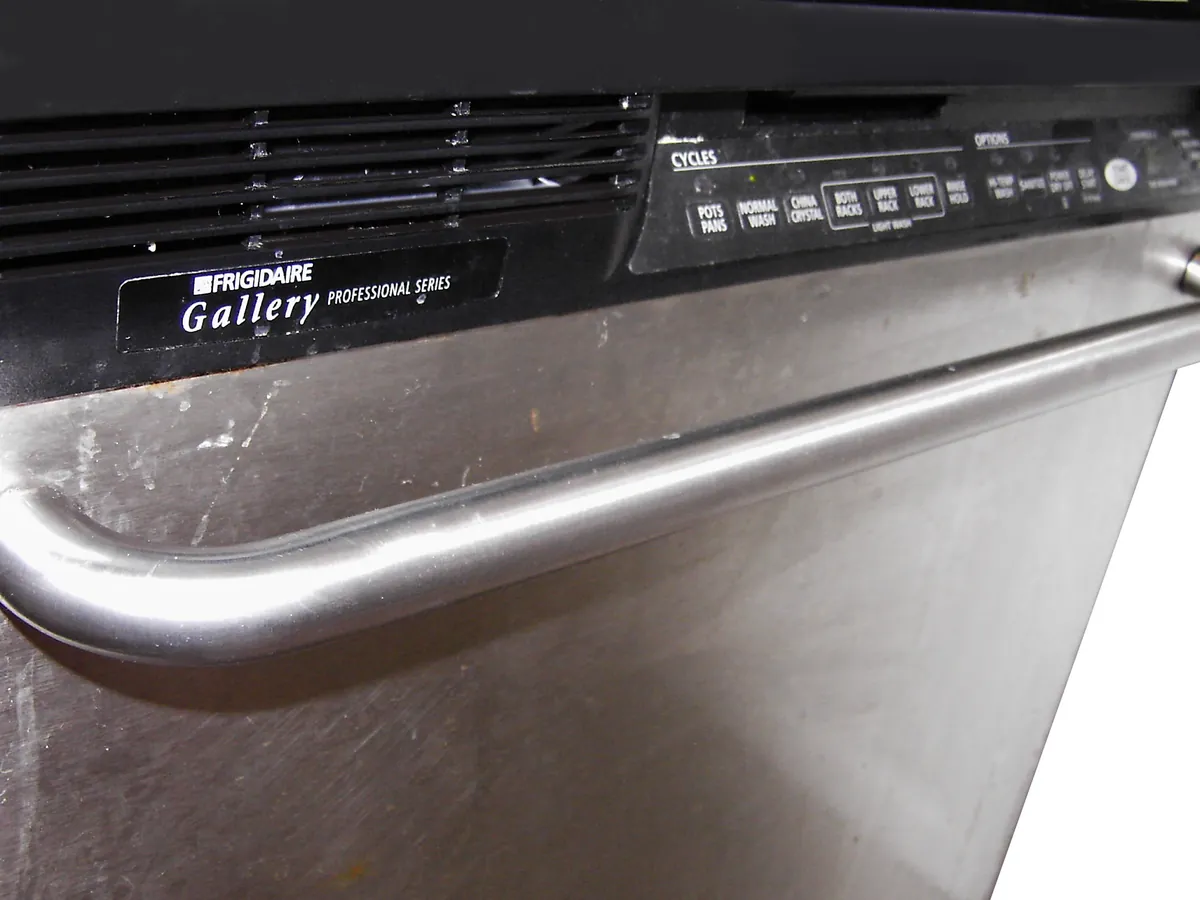
Standing water, cloudy glasses, leaks at the door and racks that come out wet.
More on Dishwasher Repair →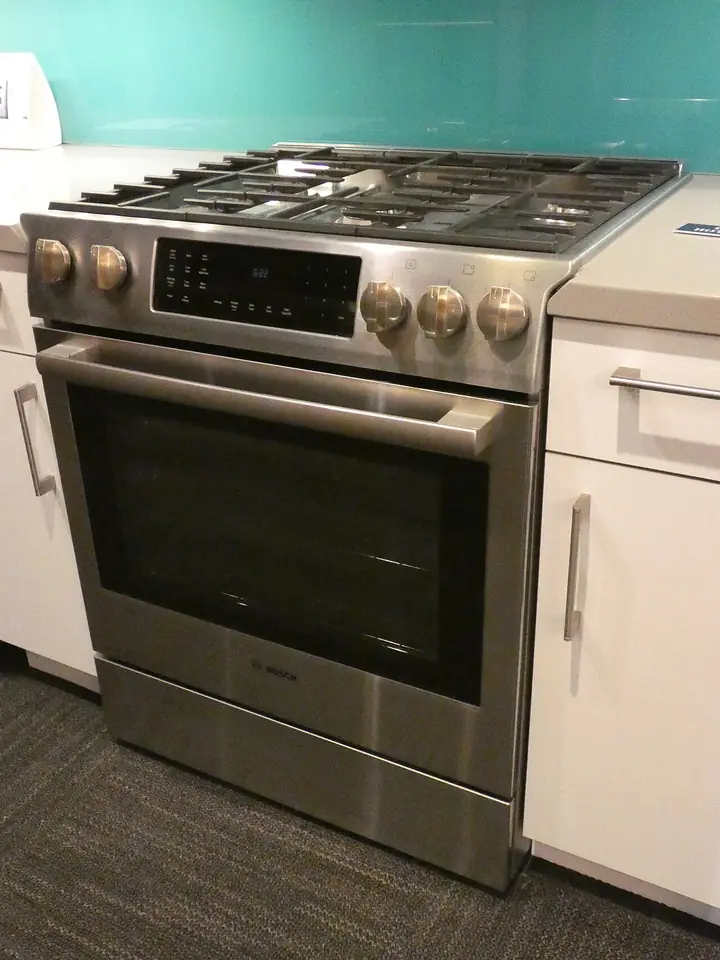
Ovens that run cold or hot, igniters that click without lighting, and dead surface burners.
More on Oven and Stove Repair →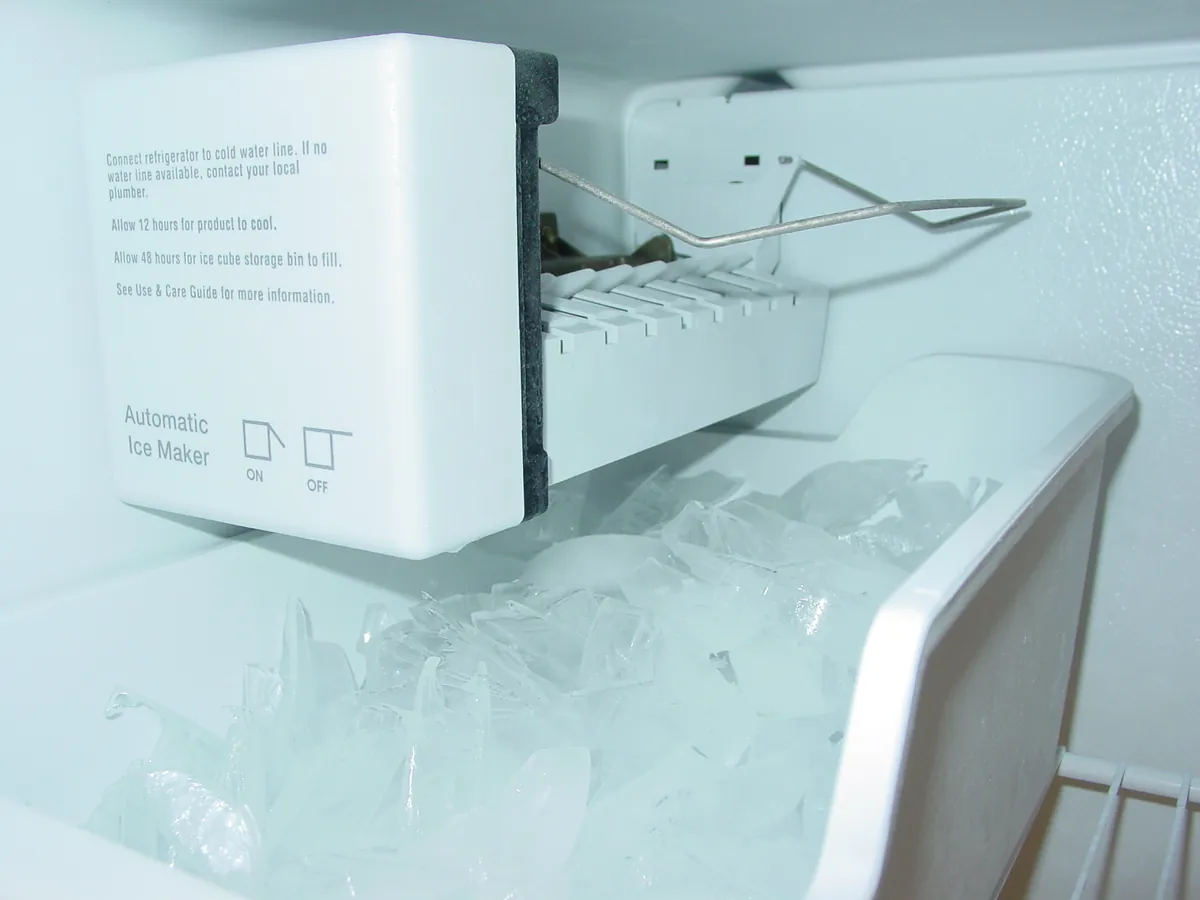
Built-in and freezer ice makers that stop filling, freeze up, leak or make hollow cubes.
More on Ice Maker Repair →